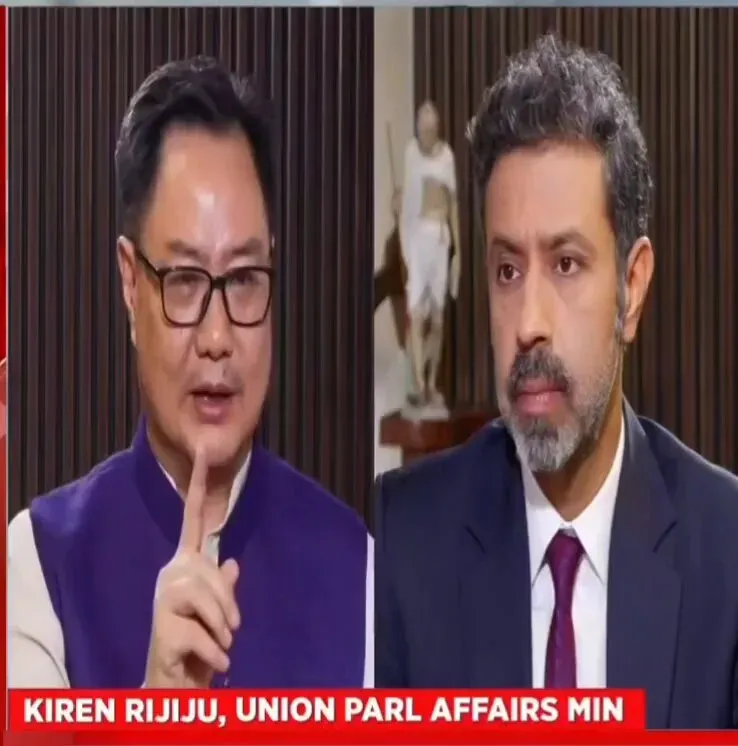
Rijiju: NDA an 'Organic Alliance', not power grab like UPA
Synopsis
Union Minister Kiren Rijiju on June 10, 2026 shared PM Modi's assertion that the NDA is an 'Organic Alliance' built on 'Nation First' values and mutual trust — not a power-driven grouping like the UPA — using the hashtag #LongestServingElectedPMModi.
Key Takeaways
Kiren Rijiju shared PM Modi's characterisation of the NDA as an 'Organic Alliance' on June 10, 2026 .
Modi described the NDA as rooted in 'Nation First' and mutual trust, contrasting it with the UPA .
The NDA was founded in 1998 ; the UPA governed from 2004 to 2014 .
The post used the hashtag #LongestServingElectedPMModi , framing the statement within Modi's tenure milestone.
The NDA-versus-UPA contrast is a consistent BJP messaging strategy to highlight coalition stability and ideological coherence.
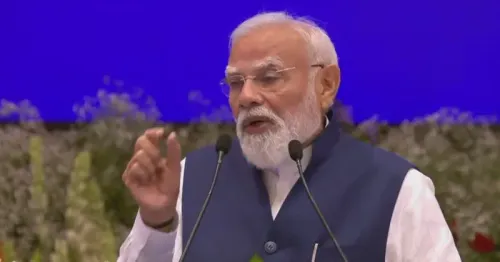
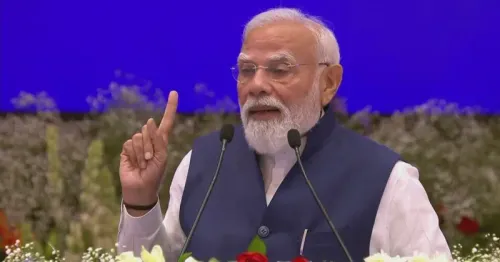
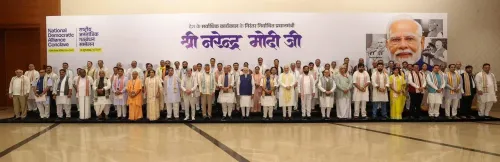
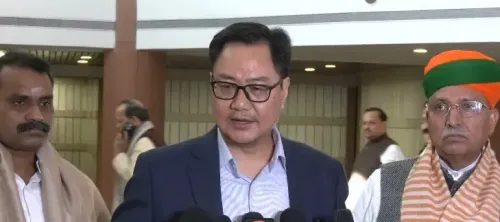
Union Parliamentary Affairs Minister Kiren Rijiju on Wednesday, June 10, 2026 amplified remarks by Prime Minister Narendra Modi contrasting the National Democratic Alliance (NDA) with the United Progressive Alliance (UPA), describing the ruling coalition as an 'Organic Alliance' grounded in the principle of 'Nation First' and mutual trust among partners.
Context
Rijiju shared Modi's characterisation that the NDA is 'not a mere congregation of parties coming together for power' but a coalition bound by shared values and a commitment to national interest. The post carried the hashtag #LongestServingElectedPMModi, framing the statement within a broader celebration of Modi's tenure as Prime Minister.
The contrast with the UPA — the Congress-led alliance that governed from 2004 to 2014 — is a recurring theme in BJP political messaging, positioning the NDA as ideologically cohesive rather than a transactional arrangement.
Policy Backdrop
The NDA was first constituted in 1998 to support the BJP-led government under Prime Minister Atal Bihari Vajpayee, bringing together regional parties under a common minimum programme. Narendra Modi led the NDA to a clear majority in May 2014, and the alliance has held office at the Centre since, winning successive general elections.
The UPA, formed in 2004, drew together the Indian National Congress and several regional and left parties. Critics of that arrangement argued it was held together more by opposition to the BJP than by a unified ideological platform — a distinction the NDA leadership has consistently sought to highlight.
Modi's framing of 'mutual trust' speaks directly to the management of a multi-party coalition, where constituent parties spanning different states and voter bases have remained aligned through multiple Lok Sabha and assembly election cycles.
Stakeholders and Impact
NDA constituent parties — including regional allies from across Bihar, Andhra Pradesh, Maharashtra and other states — are the immediate audience for this messaging, reinforcing their stake in a coalition framed as principled rather than opportunistic. For the BJP, projecting alliance stability is strategically important ahead of state assembly elections.
The opposition, led by the Congress-anchored INDIA bloc, has consistently pushed back against such comparisons, arguing that the UPA's decade in power delivered significant welfare legislation and economic growth. The NDA-versus-UPA binary remains one of the sharpest fault lines in Indian electoral politics.
What's Next
With parliamentary sessions providing a regular platform for alliance management debates, the NDA's messaging on coalition cohesion is likely to intensify as the political calendar fills with state-level contests. Any fresh coalition announcements or realignments at the state level will be scrutinised against this 'Organic Alliance' benchmark that Modi and his senior ministers are actively promoting.
Rijiju's amplification of the Prime Minister's remarks signals that the 'Nation First' coalition narrative will remain a central plank of BJP's political communication strategy in the months ahead.
Point of View
Using Modi's 'Organic Alliance' framing to draw a sharp contrast with the UPA at a moment when the hashtag #LongestServingElectedPMModi signals an effort to cement the Prime Minister's legacy. The NDA-versus-UPA binary has been a durable BJP rhetorical device since 2014, serving both to bind regional allies to a higher-purpose narrative and to delegitimise opposition coalition-building efforts. By amplifying this from his own handle, Rijiju — as Parliamentary Affairs Minister — reinforces the message that alliance discipline is not merely political convenience but a stated governing philosophy. The timing suggests the party is investing in proactive narrative-setting ahead of what is likely to be a contested assembly election cycle.
NationPress
26 Oct 2026
Frequently Asked Questions
What did PM Modi say about the NDA being an organic alliance?
PM Modi stated that the National Democratic Alliance is not merely a grouping of parties seeking power, but an 'Organic Alliance' deeply rooted in the principle of 'Nation First' and built on mutual trust among its partners.
What is the difference between NDA and UPA?
The NDA is a BJP-led coalition formed in 1998, currently in government since 2014, which frames itself around shared ideology and national interest. The UPA was a Congress-led coalition that governed from 2004 to 2014 and was seen by critics as a more transactional grouping of parties with differing priorities.
Who is Kiren Rijiju?
Kiren Rijiju is the Union Minister of Parliamentary Affairs and Minority Affairs, a senior BJP leader from Arunachal Pradesh who has been a member of the Union Council of Ministers since 2014.
When was the NDA formed?
The National Democratic Alliance was formed in 1998 to support the first BJP-led central government under Prime Minister Atal Bihari Vajpayee.
What does #LongestServingElectedPMModi mean?
The hashtag references PM Narendra Modi's tenure as Prime Minister, which began in May 2014, with supporters using it to mark his status as the longest-serving elected Prime Minister of India.