PM Modi Thanks NDA Leaders, Reaffirms Cooperative Federalism
Synopsis
Prime Minister Narendra Modi on June 10, 2026 thanked NDA Chief Ministers and leaders for warm wishes, reaffirming the coalition's decade-long commitment to national interest, regional aspirations, and cooperative federalism through platforms like NITI Aayog and the GST Council.
Key Takeaways
PM Narendra Modi publicly thanked NDA Chief Ministers and leaders for their warm wishes on June 10, 2026 .
Modi described the NDA's journey as defined by 'a shared resolve to further national interest and regional aspirations.' The NDA , led by the BJP , has governed at the centre since 2014 with support from diverse regional coalition partners.
NITI Aayog , established in January 2015 , and the GST Council are the key institutional pillars of cooperative federalism under the NDA.
The 14th Finance Commission (2015) raised states' share in central tax revenues to 42 percent , deepening fiscal federalism.
Next NITI Aayog Governing Council and GST Council meetings will be watched as tests of the centre-state coordination Modi reaffirmed.
Prime Minister Narendra Modi on Wednesday, June 10, 2026, acknowledged warm wishes from Chief Ministers and leaders of the National Democratic Alliance (NDA), reaffirming the coalition's founding commitment to national interest, regional aspirations, and cooperative federalism.
Context
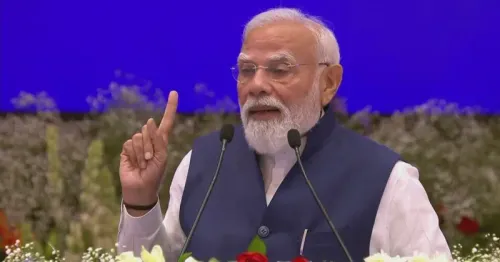
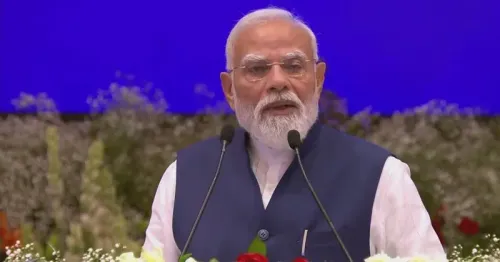
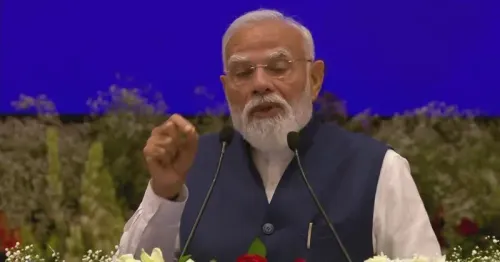
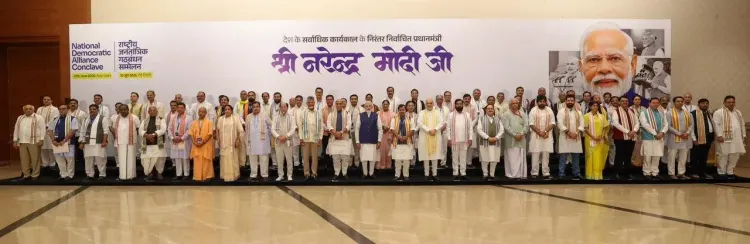
Prime Minister Modi took to X to express gratitude toward NDA allies, writing: 'I thank the Chief Ministers and leaders of the NDA for their warm wishes. The NDA's journey has been defined by a shared resolve to further national interest and regional aspirations.' The post, accompanied by an image, underscored the coalition's self-projected identity as a platform that balances central governance with the priorities of partner states and regional parties.
The NDA, led by the Bharatiya Janata Party (BJP), has governed at the centre since 2014 and comprises a wide array of regional parties whose electoral weight in their respective states gives the alliance its parliamentary majority. Managing this coalition has required sustained messaging around shared purpose and mutual benefit.
Policy Backdrop
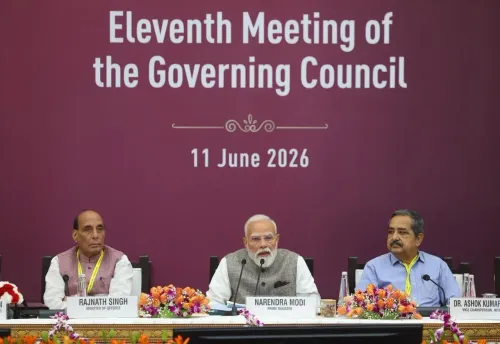
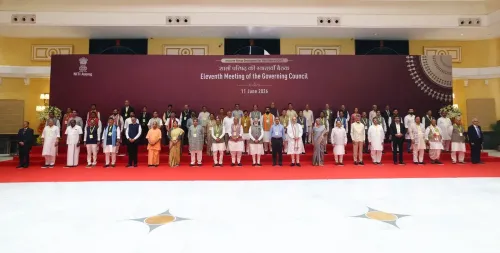
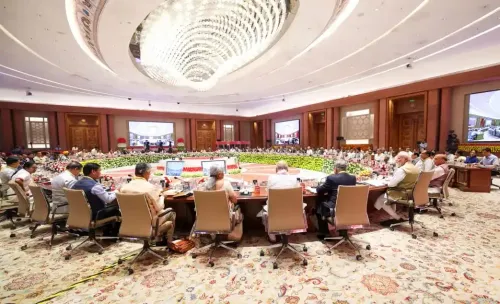
Cooperative federalism has been one of the defining governance themes of the Modi administration since 2014. The establishment of NITI Aayog in January 2015 — replacing the Planning Commission — was explicitly framed as a move to institutionalise greater state participation in national policy formulation, with the Governing Council bringing all Chief Ministers to the same table.
On the fiscal side, the 14th Finance Commission in 2015 raised states' share in the divisible pool of central taxes to 42 percent, a significant upward revision aimed at deepening fiscal federalism. The GST Council, where the Union and state finance ministers jointly decide indirect tax policy, has since served as another live forum for centre-state coordination.
These institutional mechanisms have been central to how the NDA has managed coalition dynamics across diverse regional partners while maintaining coherence on national policy priorities.
Stakeholders and Impact
The immediate audience for Modi's post is the NDA's own alliance partners — Chief Ministers of states governed by coalition parties and senior regional leaders whose support underpins the government's majority. Publicly acknowledging their wishes reinforces solidarity within the alliance and signals that regional voices are valued at the top.
State governments across the country are the principal stakeholders in cooperative federalism: decisions made in the NITI Aayog Governing Council and the GST Council directly affect how much fiscal space and policy latitude states enjoy. The Prime Minister's reiteration of these values carries practical weight for ongoing centre-state negotiations on resource-sharing and programme implementation.
What's Next
Attention will now turn to the next scheduled meetings of the NITI Aayog Governing Council and the GST Council, both of which serve as the primary institutional arenas for translating cooperative federalism from rhetoric into policy outcomes. How the centre and NDA-ruled states align on fiscal transfers, infrastructure funding, and welfare scheme delivery will be the practical test of the spirit Modi invoked in his post.
With regional aspirations continuing to shape electoral politics, the NDA's ability to demonstrate tangible gains for partner states will remain a critical factor in sustaining coalition cohesion ahead of future state and national electoral cycles.
Point of View
He ties the alliance's political solidarity to a governance philosophy with institutional substance, making defection costlier to justify. The reference to 'regional aspirations' is particularly telling: it signals that the centre acknowledges the electoral logic of its partners, not merely their ideological alignment. Over a decade in power, the NDA has used this language consistently to paper over policy disagreements and keep a structurally diverse coalition functional.
NationPress
16 Sept 2026
Frequently Asked Questions
Why did PM Modi thank NDA Chief Ministers on June 10, 2026?
PM Modi thanked NDA Chief Ministers and leaders for their warm wishes, using the occasion to reaffirm the coalition's shared commitment to national interest, regional aspirations, and cooperative federalism.
What is cooperative federalism and how does the NDA promote it?
Cooperative federalism refers to a governance model where the centre and states work as partners rather than in a hierarchical relationship. The NDA promotes it through institutions like the NITI Aayog Governing Council, which includes all Chief Ministers, and the GST Council, where states jointly decide indirect tax policy with the Union government.
What is the NDA coalition and who are its members?
The National Democratic Alliance (NDA) is a BJP-led coalition that has governed India since 2014. It comprises the BJP and several regional parties whose support gives the alliance its parliamentary majority. Chief Ministers from NDA-ruled states are key stakeholders in the alliance's governance agenda.
How has the Modi government strengthened fiscal federalism?
The 14th Finance Commission in 2015 raised states' share in the divisible pool of central taxes to 42 percent, a significant increase. NITI Aayog was also set up in January 2015 to replace the Planning Commission and give states a greater role in national policy.
What role does NITI Aayog play in centre-state relations?
NITI Aayog serves as the government's principal policy think tank and its Governing Council, which includes all Chief Ministers and Lieutenant Governors, is the primary platform for aligning national priorities with state-level needs and aspirations.