Rijiju: NZ PM Luxon backs India's 21st century leadership
Synopsis
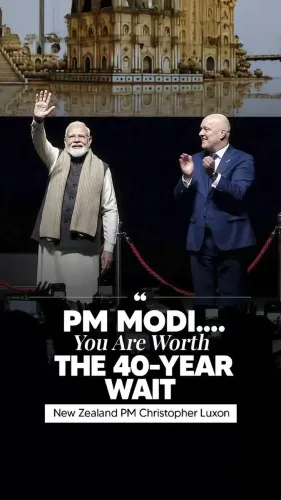
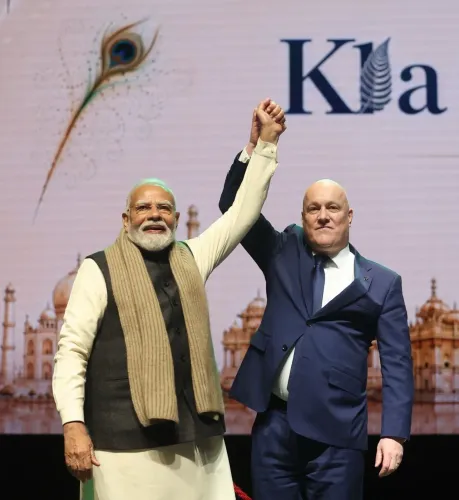
At an Auckland community event during PM Modi's New Zealand visit, PM Chris Luxon praised India's growth and 21st-century leadership. Union Minister Kiren Rijiju amplified the remarks, calling them a strong endorsement of India's global role, as both nations signal intent to deepen bilateral ties.
Key Takeaways
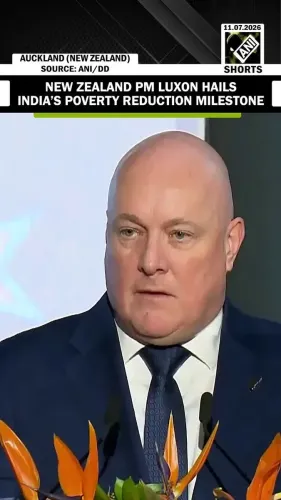
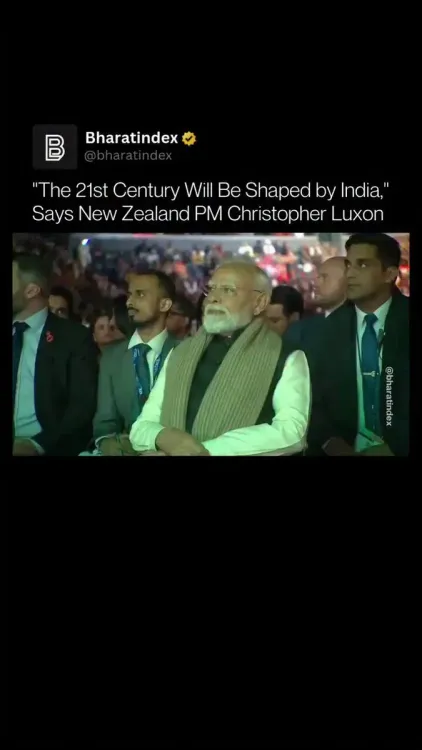
NZ PM Chris Luxon said India's 'growth and leadership will help shape the 21st century' at an Auckland community event.
Union Minister Kiren Rijiju shared the remarks on 13 July 2026 , framing them as an international endorsement of India's global standing.
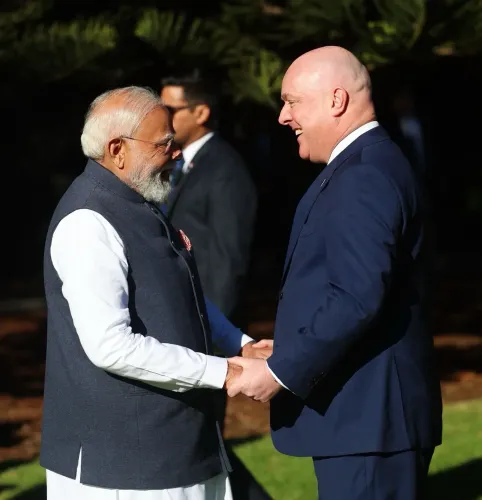
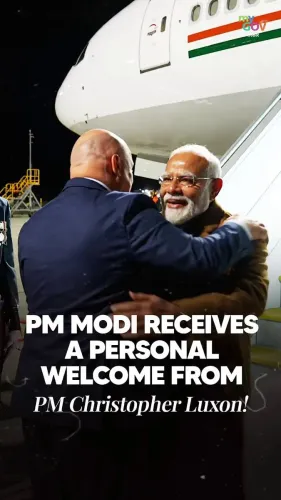
The event was part of diplomatic engagements surrounding PM Narendra Modi's visit to New Zealand .
India and New Zealand have had a stalled Comprehensive Economic Cooperation Agreement since negotiations began in 2010 .
New Zealand has been diversifying trade ties beyond its largest economic partner, with India a key focus.
The visit is being watched for concrete steps toward reviving the long-pending bilateral trade framework.
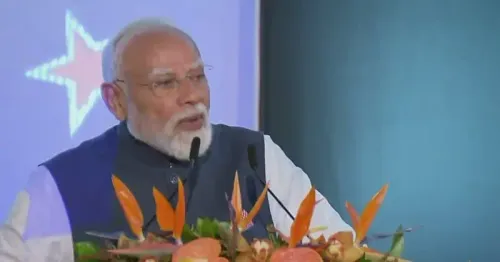
Union Parliamentary Affairs Minister Kiren Rijiju on Sunday, 13 July 2026, shared remarks made by New Zealand Prime Minister Chris Luxon at an Auckland community event, calling them 'a strong endorsement of India's growing global role' as Prime Minister Narendra Modi visited New Zealand.
Context
At the Auckland community gathering — part of the diplomatic engagements surrounding PM Modi's visit to New Zealand — PM Luxon praised India's trajectory, saying its 'growth and leadership will help shape the 21st century.' He also reaffirmed New Zealand's commitment to deeper bilateral cooperation. The event drew members of Auckland's sizeable Indian-origin community, which has long served as a bridge between the two nations.
Rijiju amplified the remarks on social media under the hashtag #PMModiInNewZealand, framing Luxon's words as an international validation of India's rising stature. The post reflects the Indian government's active effort to broadcast third-country endorsements of India's global standing during high-level visits.
Policy Backdrop
India and New Zealand have maintained Commonwealth ties for decades, but economic engagement has remained below potential. Negotiations for a Comprehensive Economic Cooperation Agreement were initiated in 2010 and have seen periodic reviews without a final deal. A joint statement during an earlier Indian prime ministerial visit in 2011 had committed both sides to expanded cooperation in education, tourism, and defence.
New Zealand has increasingly sought to diversify its trade relationships beyond its largest economic partner, cultivating closer links with India on trade, education, and technology. India, now the world's fifth-largest economy, has simultaneously intensified high-level engagements across the Indo-Pacific to project itself as a leading power.
Stakeholders and Impact
The Indian diaspora in Auckland — one of the largest Indian-origin communities in the Pacific — stands at the symbolic centre of this engagement, serving as both audience and constituency for both governments. Business communities on both sides have an interest in any movement on the long-stalled trade agreement, as do education institutions that have built significant India-New Zealand student pipelines.
Trade negotiators will be watching whether the warmth of PM Luxon's public remarks translates into a renewed push on the economic cooperation framework. For India, endorsements from leaders of developed Pacific nations strengthen its case for a larger multilateral role in Indo-Pacific institutions.
What's Next
The most consequential near-term question is whether PM Modi's New Zealand visit produces a concrete roadmap for reviving the India-New Zealand Comprehensive Economic Cooperation Agreement, which has been stalled for over a decade. Any follow-up parliamentary or ministerial exchanges between New Delhi and Wellington will indicate how much diplomatic momentum the visit generates beyond the ceremonial goodwill.
With India positioning itself as an indispensable partner across the Indo-Pacific, PM Luxon's Auckland remarks — and their amplification by senior Indian ministers — signal that both sides are invested in elevating the relationship to a qualitatively new level.
Point of View
Designed to build a global narrative of India's indispensability. Luxon's remarks at Auckland fit a broader pattern of Indo-Pacific leaders publicly acknowledging India's economic trajectory during bilateral visits — remarks that carry diplomatic weight beyond their ceremonial setting. For the BJP government, such moments serve a dual purpose: reinforcing the 'Vishwaguru' narrative domestically while signalling to trade and strategic partners that India's global standing is being recognised at the highest levels. The real test, however, will be whether this goodwill translates into a revived trade agreement that has been stalled for over a decade.
NationPress
10 Oct 2026
Frequently Asked Questions
What did New Zealand PM Chris Luxon say about India at Auckland?
At an Auckland community event during PM Modi's New Zealand visit, PM Luxon said India's growth and leadership will help shape the 21st century, and reaffirmed New Zealand's commitment to deeper cooperation with India.
Why did Kiren Rijiju post about PM Modi's New Zealand visit?
Rijiju, as a senior BJP minister, shared Luxon's remarks to highlight international endorsement of India's growing global role, framing it as validation of India's rising stature on the world stage.
What is the India-New Zealand trade agreement status?
India and New Zealand began negotiations for a Comprehensive Economic Cooperation Agreement in 2010, but the deal remains stalled. PM Modi's 2026 visit is being watched for any renewed momentum on the agreement.
Why is Auckland significant for India-New Zealand relations?
Auckland is New Zealand's largest city and home to a substantial Indian-origin diaspora community, making it a natural venue for community engagement during high-level bilateral visits.
What is India's broader strategy in the Indo-Pacific?
India has intensified high-level engagements across the Indo-Pacific to project itself as a leading power, including with smaller developed nations like New Zealand, as part of its effort to expand trade, technology, and strategic partnerships.