Rijiju: PM Modi Inaugurates Bharat Renewable Energy Summit
Synopsis
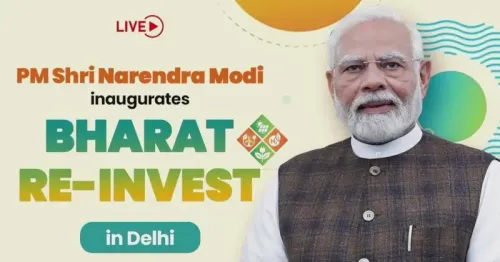
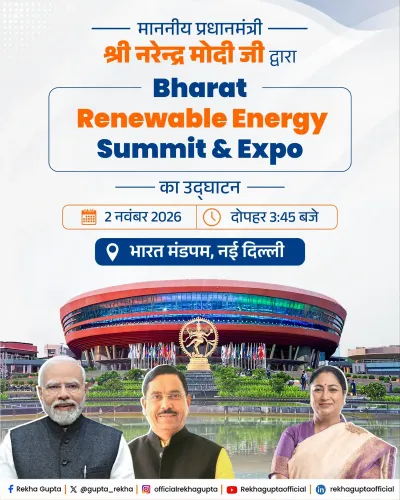
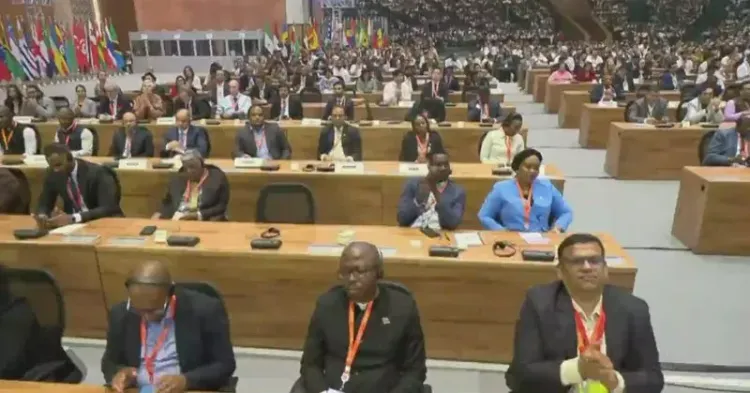
PM Narendra Modi inaugurated the Bharat Renewable Energy Summit & Expo in New Delhi on November 2, 2026. The event spotlights India's push toward 500 GW of non-fossil fuel capacity by 2030 and its net-zero by 2070 commitment, with green investors and developers in attendance.
Key Takeaways
PM Narendra Modi inaugurated the Bharat Renewable Energy Summit & Expo in New Delhi on November 2, 2026 .
India has a target of 500 GW non-fossil fuel energy capacity by 2030 , pledged at COP26 in 2021 .
India's long-term climate goal is net-zero by 2070 .
The National Solar Mission , launched in 2010 , laid the policy foundation for India's current renewables scale-up.
The summit draws renewable energy developers and global green-finance investors, serving as a signal of policy continuity and project pipeline visibility.
Union Minister Kiren Rijiju amplified the inauguration by sharing a live-stream link on X.
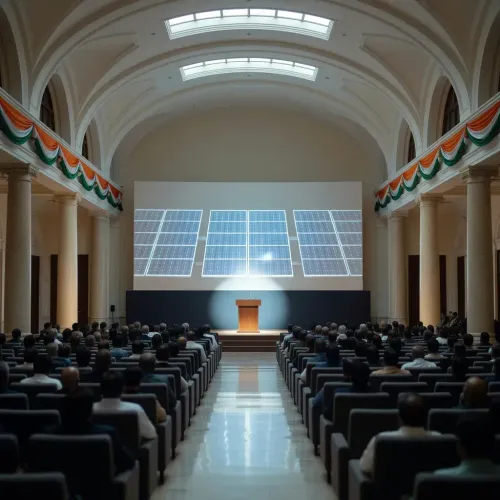
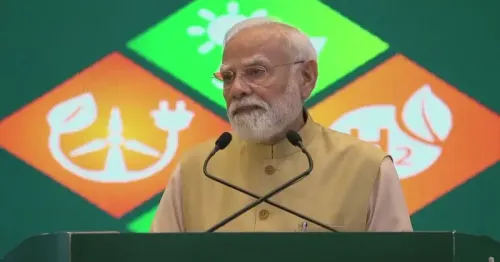
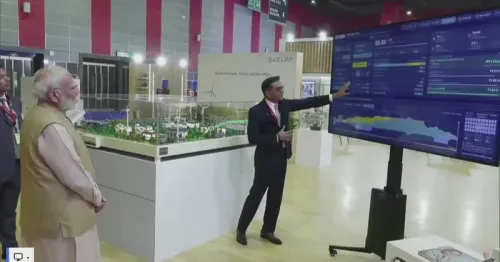
With India's 2030 clean-energy clock ticking, Prime Minister Narendra Modi on Monday, November 2, 2026 inaugurated the Bharat Renewable Energy Summit & Expo in New Delhi — a marquee event that brings together policymakers, developers, and green investors to take stock of the country's sprint toward a low-carbon future. Union Parliamentary Affairs Minister Kiren Rijiju shared a live-stream link of the inauguration on X, drawing public attention to the event.
India's 500 GW target and what the summit represents
India staked out one of its most ambitious climate pledges at COP26 in 2021: 500 GW of non-fossil fuel energy capacity by 2030. That single number — roughly double the country's total installed power capacity at the time it was announced — has since become the organising principle of the nation's energy policy. Summits like this one serve as the pressure-test: how close is India to the curve, and where does investment need to flow next?
India's renewable trajectory has its roots in the National Solar Mission, launched in 2010, which seeded the infrastructure and policy scaffolding that today supports one of the world's fastest-growing solar sectors. From that foundation, successive governments layered in wind, green hydrogen, and offshore initiatives, pushing the country toward its longer-horizon commitment of net-zero by 2070.
Summits as investment magnets, not just policy showcases
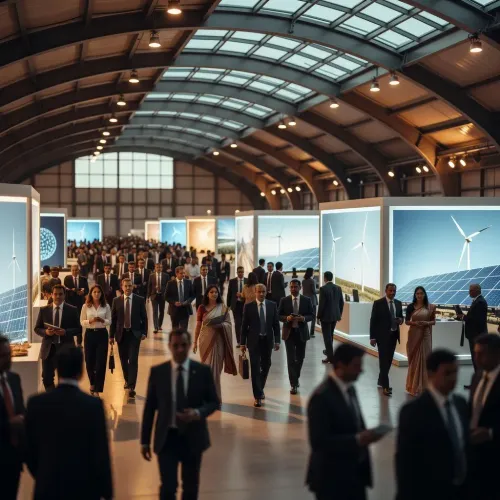
Domestic energy summits in India have historically done double duty — part scorecard, part pitch room. They draw renewable energy developers and global green-finance players who treat such state-backed gatherings as signals of policy continuity and project pipeline visibility. The Bharat Renewable Energy Summit & Expo fits squarely in that mould, with the PM's presence lending it the highest possible political weight.
The event is expected to spotlight project auctions in the pipeline, state-level implementation updates, and India's broader positioning as a destination for clean-energy capital. The next measurable milestone to watch: follow-up announcements on fresh renewable capacity auctions and state execution timelines in the months ahead.
Point of View
Particularly as India faces scrutiny over its 2030 milestones. Domestic summits of this scale serve a dual function: they consolidate investor confidence and provide a platform to demonstrate incremental progress toward the 500 GW target without the legislative pressure of parliamentary action. For Rijiju, amplifying the event on X underscores the BJP's strategy of keeping senior ministers visibly aligned with the PM's flagship policy moments. The real test, however, lies not in inaugurations but in the pace of project auctions and grid infrastructure that follow.
NationPress
2 Nov 2026
Frequently Asked Questions
What is the Bharat Renewable Energy Summit and Expo?
The Bharat Renewable Energy Summit and Expo is a major government-backed energy event held in New Delhi, inaugurated by PM Narendra Modi on November 2, 2026, to showcase India's renewable energy progress and attract investment.
What is India's renewable energy target by 2030?
India has pledged to achieve 500 GW of non-fossil fuel energy capacity by 2030 , a commitment made at the COP26 climate summit in 2021.
What is India's net-zero target?
India has committed to achieving net-zero carbon emissions by 2070 , making it one of the larger economies with a mid-century-plus climate target.
What is the National Solar Mission India?
The National Solar Mission was launched in 2010 to promote large-scale solar power deployment across India, forming the foundational policy framework for the country's current renewables expansion.
Why did Kiren Rijiju post about the renewable energy summit?
Union Parliamentary Affairs Minister Kiren Rijiju shared a live-stream link on X to draw public attention to PM Modi's inauguration of the Bharat Renewable Energy Summit & Expo in New Delhi.