Rijiju Reviews Flood Situation in Pasighat with Chouhan, Pema Khandu

Synopsis
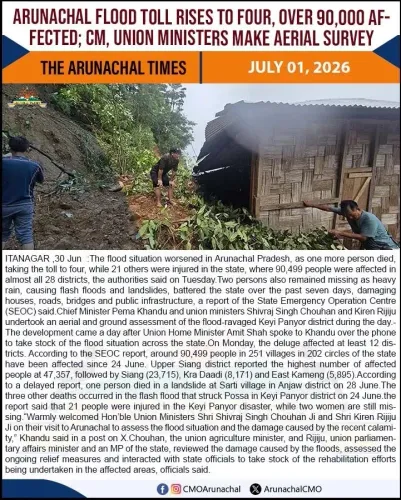
Union Ministers Kiren Rijiju and Shivraj Singh Chouhan joined Chief Minister Pema Khandu in Pasighat on July 1, 2026, to review Arunachal Pradesh's flood situation. The Centre reaffirmed its commitment to timely relief, restoration, and rehabilitation for affected communities under PM Modi's leadership.
Key Takeaways
Kiren Rijiju and Shivraj Singh Chouhan conducted a joint flood review at Pasighat, Arunachal Pradesh on July 1, 2026 .
Chief Minister Pema Khandu and BJP State President Kaling Moyong participated alongside senior officials.
The Central Government reaffirmed it 'stands firmly with the affected people' and will ensure 'timely relief, restoration and rehabilitation.' Pasighat in East Siang district is chronically vulnerable to monsoon flooding from Brahmaputra tributaries.
India's disaster response is structured under the Disaster Management Act, 2005 , with central assistance channelled through NDRF and SDRF mechanisms.
Release of additional central funds and a potential special rehabilitation package are the key developments to watch following the assessment.
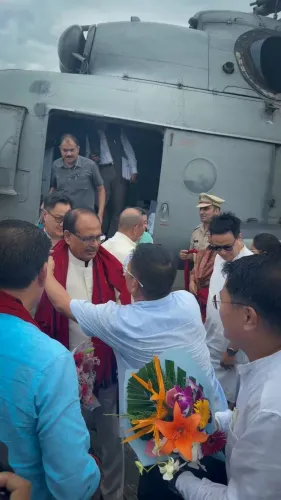
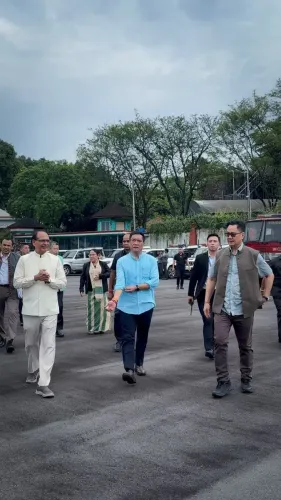
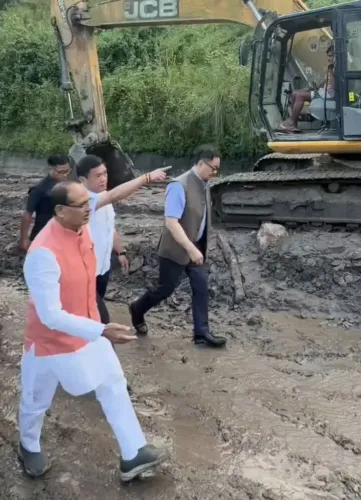
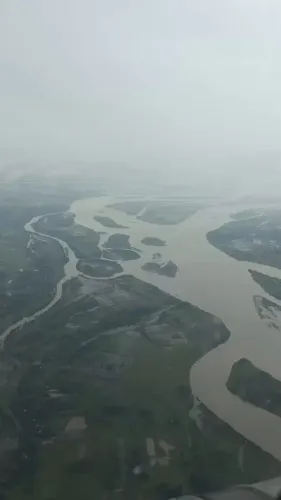
Union Parliamentary Affairs Minister Kiren Rijiju visited Pasighat in Arunachal Pradesh on Wednesday, July 1, 2026, to conduct a high-level review of the ongoing flood situation alongside senior central and state leaders. The visit underscores the Central Government's commitment to standing firmly with flood-affected communities in the northeastern state.
Context
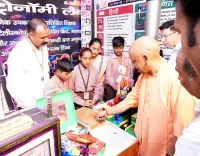
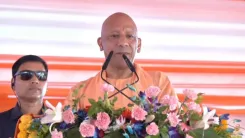
Rijiju was joined at Pasighat by Union Minister Shivraj Singh Chouhan, Chief Minister Pema Khandu, BJP Arunachal Pradesh State President Kaling Moyong, and senior officials. The delegation reviewed the ground situation and assessed the scale of impact on affected populations. Rijiju stated that the Central Government 'stands firmly with the affected people' and will 'continue to work closely with the State Governments to ensure timely relief, restoration and rehabilitation.'
Pasighat, the headquarters of East Siang district, is one of the oldest towns in Arunachal Pradesh and lies along the banks of the Siang river, a major Brahmaputra tributary. The town is chronically vulnerable to monsoon flooding, with the June-September season routinely triggering inundation, erosion, and displacement across the district.
Policy Backdrop
India's disaster response framework is anchored in the Disaster Management Act, 2005, which established the National Disaster Management Authority (NDMA) and created structured mechanisms for central assistance to states through the National Disaster Response Fund (NDRF) and State Disaster Response Funds (SDRF). Successive central governments have released funds under these norms to Arunachal Pradesh for flood relief and mitigation infrastructure during annual monsoon cycles.
High-level ministerial visits to flood-affected northeastern states during the monsoon are a recurring feature of federal disaster governance, enabling joint assessment and faster release of central assistance. The presence of two Union Ministers — Rijiju and Chouhan — alongside the Chief Minister signals the Centre's intent to treat the situation with urgency and to coordinate relief through established NDMA mechanisms.
Stakeholders and Impact
The primary stakeholders are the flood-affected residents of Arunachal Pradesh, particularly in East Siang and surrounding districts, who face displacement, loss of livelihoods, and damage to homes and infrastructure each monsoon season. State and district disaster management authorities are responsible for on-ground coordination of rescue, relief distribution, and temporary shelter.
Shivraj Singh Chouhan's presence is significant given his seniority within the Union Cabinet and his experience in state-level disaster management during his long tenure as Chief Minister of Madhya Pradesh. His involvement alongside Rijiju — who represents Arunachal Pradesh in Parliament — reflects a two-pronged central engagement combining local political knowledge with broader administrative heft.
What's Next
Following the joint assessment at Pasighat, the focus will shift to whether the Centre announces the release of additional funds under NDRF norms or approves a special rehabilitation package for affected communities. Chief Minister Pema Khandu and state authorities are expected to submit a detailed damage memorandum to the Centre to formally trigger higher central assistance.
With the monsoon season extending through September 2026, the Arunachal Pradesh government and central agencies will need to maintain sustained coordination to manage evolving flood conditions. The emphasis on 'restoration and rehabilitation' in the ministerial statement suggests the Centre's response will go beyond immediate relief to address medium-term recovery needs.
Point of View
Not merely routine. Rijiju's personal visit to his home state carries symbolic weight, reinforcing the BJP's narrative of responsive federal governance in the Northeast. The joint presence of Chouhan — a heavyweight with deep administrative experience — alongside the local political leadership suggests the Centre is positioning this as a coordinated, high-visibility relief effort ahead of any formal fund release. This pattern of ministerial flood visits has become a standard instrument of Centre-state relations in the Northeast, where federal optics and disaster governance are closely intertwined.
NationPress
1 Jul 2026
Frequently Asked Questions
Why did Kiren Rijiju visit Pasighat in July 2026?
Rijiju visited Pasighat on July 1, 2026, to review the flood situation in Arunachal Pradesh alongside Union Minister Shivraj Singh Chouhan, Chief Minister Pema Khandu, and senior officials, reaffirming the Centre's commitment to relief and rehabilitation.
Which ministers were present at the Pasighat flood review?
Union Ministers Kiren Rijiju and Shivraj Singh Chouhan, Arunachal Pradesh Chief Minister Pema Khandu, BJP State President Kaling Moyong, and senior officials were present at the flood review in Pasighat.
What is the Central Government's response to Arunachal Pradesh floods?
The Central Government, under PM Narendra Modi's leadership, has pledged to stand firmly with flood-affected people and work closely with state governments to ensure timely relief, restoration, and rehabilitation.
Why is Pasighat prone to flooding?
Pasighat, located in East Siang district along the Siang river — a major Brahmaputra tributary — is chronically vulnerable to monsoon flooding due to its geography in the Himalayan foothills, with severe inundation typically occurring between June and September.
What funds are available for flood relief in Arunachal Pradesh?
Under the Disaster Management Act, 2005, the Centre provides assistance through the National Disaster Response Fund (NDRF) and State Disaster Response Funds (SDRF), which have been periodically released to Arunachal Pradesh for flood relief and mitigation works.