NEET-UG row: RJD hails student protests, demands Modi govt accountability
Synopsis
The NEET-UG controversy has handed Bihar's RJD a political opening — and they are pressing it hard. From Tejashwi Yadav to Manoj Jha, the party is framing the student protests as the Modi government's first major political defeat, while insisting that a ministerial resignation alone cannot substitute for systemic reform of India's broken examination infrastructure.
Key Takeaways
RJD leaders in Bihar hailed nationwide NEET-UG student protests as a victory over the Union government on 25 July .
Tejashwi Yadav posted on X that 'truth, rights, struggle and justice have prevailed,' while warning that key questions remain unanswered.
Rohini Acharya said a single ministerial resignation is insufficient and demanded a fair, transparent and prompt investigation.
RJD MP Manoj Jha called the protests the first political defeat of the Modi government , urging a more accountable education system.
Opposition parties across the board have called the current outcome only a first step, demanding comprehensive reform of India's examination framework.
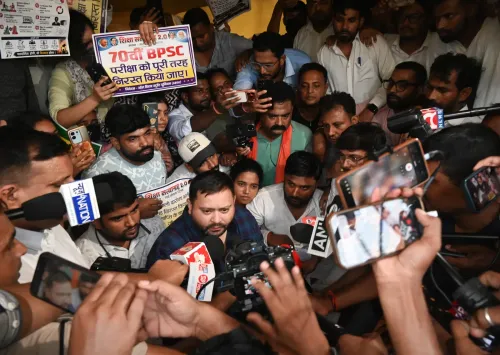
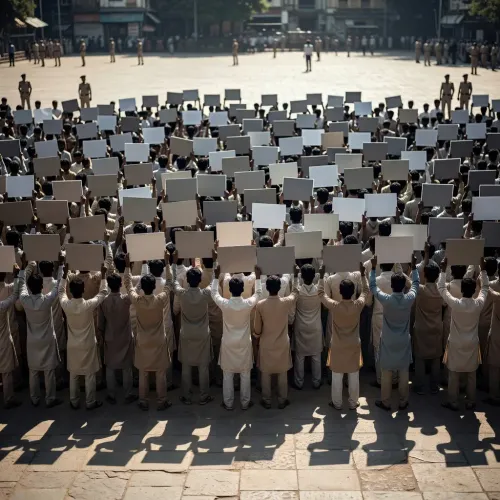
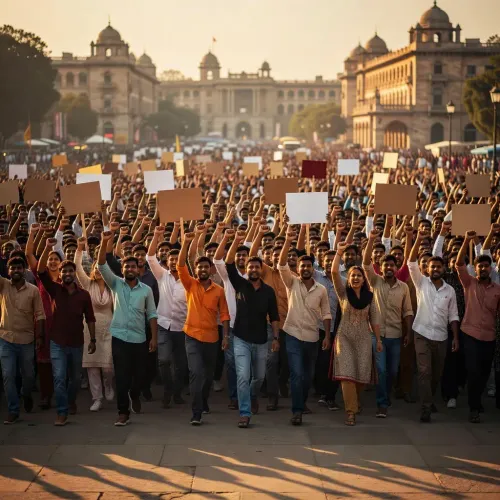
Nationwide student protests over alleged irregularities in the NEET-UG examination have drawn sharp political responses in Bihar, with leaders of the Rashtriya Janata Dal (RJD) framing the movement as a landmark victory for student-led agitation and pressing the Union government for full accountability. The reactions emerged on 25 July from Patna, as opposition voices across the state coalesced around demands for systemic reform in India's examination infrastructure.
Tejashwi Yadav Welcomes the Outcome
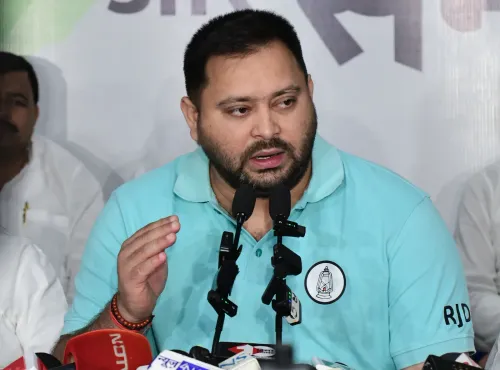
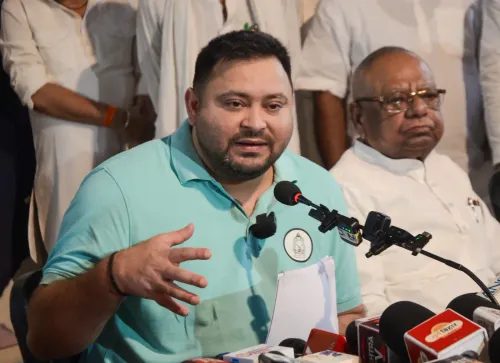
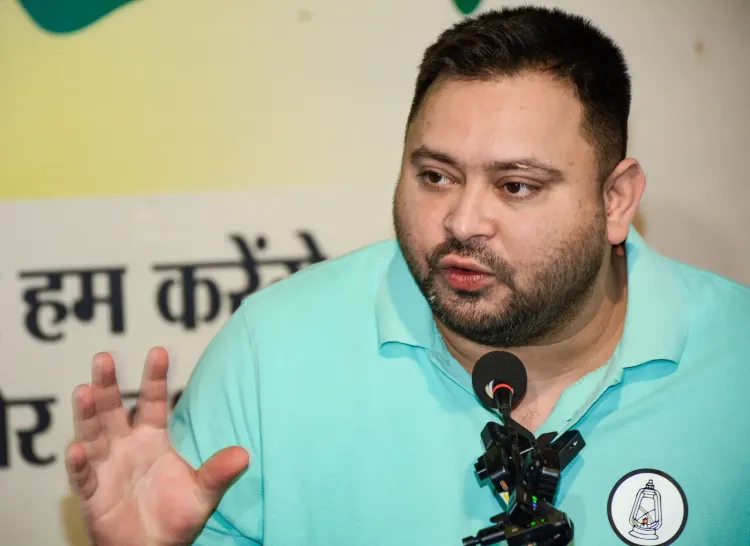
Tejashwi Yadav, Leader of the Opposition in the Bihar Legislative Assembly, welcomed the development, crediting sustained student pressure for forcing the government's hand. In a post on his official X handle, Yadav said: 'Truth, rights, struggle and justice have prevailed. The oppressive government's lies, tactics and arrogance have been defeated. Congratulations to the students and youth. However, many questions remain unanswered, and the country's conscious youth will continue to seek accountability.'
RJD Leaders Allege Political Compulsion, Not Moral Responsibility
Rohini Acharya, daughter of RJD National President Lalu Prasad Yadav, acknowledged the outcome as a victory of public pressure but called it a delayed one. She alleged that the government's attempts to conceal its administrative failures had ultimately unravelled under the weight of public anger. 'The resignation of one minister alone cannot deliver justice to affected students. The government must explain the reasons behind this administrative failure and outline concrete measures to prevent such irregularities in the future. The investigation must be fair, transparent and completed promptly,' she said.
RJD Rajya Sabha MP Manoj Jha went further, describing the protests as what he called the first political defeat of the Modi government. 'This reflects the victory of the country's youth and the democratic principle of accountability. Students across the nation continued their struggle despite immense pressure. However, this is not the end. A more transparent, accountable and credible education system must now be built,' Jha said. He also argued that students raising legitimate concerns should not be labelled anti-national.
State-Level RJD Voices Echo the Demand
RJD state spokesperson Ejaz Ahmed attributed the outcome to the convergence of sustained student protests and opposition pressure. He said the government had eventually recognised that the movement had grown into a nationwide public force that could no longer be suppressed, and called for a thorough investigation into alleged irregularities in the NEET examination and other recruitment tests.
RJD spokesperson Chittaranjan Gagan echoed this view, contending that the government acted under political compulsion rather than moral responsibility. 'Had it been a moral resignation, it would have come immediately after the paper leak controversy emerged. The protests across the country forced the government to act,' Gagan said.
What the Opposition Wants Next
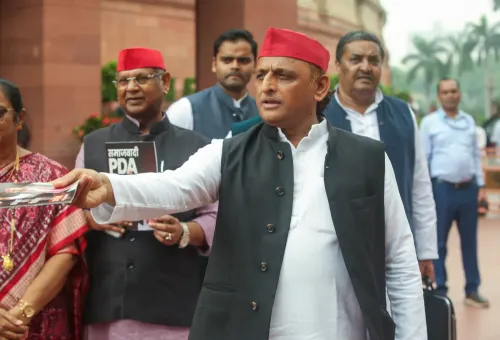
Across the board, opposition parties have maintained that the current developments represent only a first step. They have continued to demand comprehensive reforms to restore public confidence in India's examination and education system. This comes amid a broader national debate over the integrity of competitive examinations, with the NEET-UG controversy having already prompted calls for an overhaul of the National Testing Agency (NTA). Whether the government moves beyond reactive steps to structural change remains the central question going forward.
Point of View
' the party is converting an examination scandal into an electoral narrative ahead of Bihar's political cycle. The more substantive question — whether India's examination architecture, specifically the National Testing Agency, will undergo genuine structural reform — risks being drowned out by partisan point-scoring. A ministerial exit and opposition applause are the easiest parts; the hard work of building a credible, tamper-proof testing system has barely begun.
NationPress
24 Oct 2026
Frequently Asked Questions
What is the NEET-UG controversy that triggered these protests?
The NEET-UG controversy centres on alleged irregularities and a suspected paper leak in the undergraduate medical entrance examination conducted by the National Testing Agency (NTA). Widespread student protests erupted across India demanding accountability, re-examination, and structural reforms to prevent future malpractice.
What did Tejashwi Yadav say about the NEET-UG protests?
Tejashwi Yadav, Leader of the Opposition in the Bihar Legislative Assembly, said on his official X handle that 'truth, rights, struggle and justice have prevailed' and congratulated students and youth. He also warned that many questions remain unanswered and that the country's youth will continue to seek accountability.
Why does the RJD say one ministerial resignation is not enough?
RJD leaders, including Rohini Acharya, argue that a single resignation addresses political optics but not the root cause of the administrative failure. They are demanding a transparent investigation, a public explanation of what went wrong, and concrete preventive measures to stop similar irregularities in the future.
Who is Manoj Jha and what did he say about the protests?
Manoj Jha is an RJD Rajya Sabha MP. He described the NEET-UG protests as what he called the first political defeat of the Modi government, arguing that the outcome reflects the democratic principle of accountability and calling for a more transparent and credible education system going forward.
What reforms are opposition parties demanding after the NEET-UG row?
Opposition parties are calling for a comprehensive overhaul of India's examination system, including a fair and prompt investigation into NEET-UG irregularities, reforms to the National Testing Agency (NTA), and systemic safeguards to protect the integrity of competitive examinations across the country.