Kishan Reddy: Rs 232.7 Cr Science City Coming to Hyderabad
Synopsis
The Modi government is setting up a Rs 232.7 crore Science Experience Centre at CSIR-IICT in Hyderabad, Union Minister G. Kishan Reddy announced. The facility will feature a 3D digital dome theatre, robotics hub, astronomy zone, walk-through aquarium, and student activity zones, aiming to make Hyderabad an international-level science outreach hub.
Key Takeaways
The central government has announced a Rs 232.7 crore Science Experience Centre (Science City) in Hyderabad .
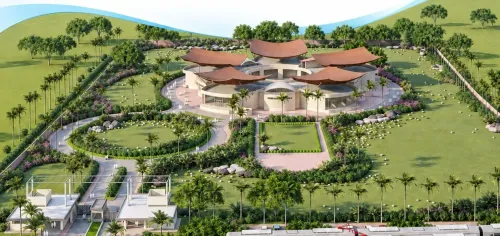
The facility will be built at CSIR-IICT , the Indian Institute of Chemical Technology campus.
Planned features include a 3D Digital Dome Theatre , Robotics and Innovation Hub , Astronomy and Space Science zone, walk-through aquarium, and motion simulator.
Kishan Reddy made the announcement on 18 November 2026 , attributing the project to PM Modi's government.
The stated goal is to elevate Hyderabad to an international-level hub for scientific innovation and improve public science literacy.
Construction timelines, tender processes, and an inauguration date are yet to be announced.
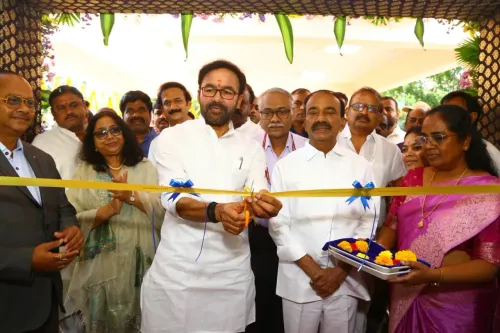
A Rs 232.7 crore Science Experience Centre — billed as a 'Science City' — is set to rise inside Hyderabad's CSIR-IICT campus, with Union Coal and Mines Minister G. Kishan Reddy announcing the project on Wednesday, 18 November 2026, positioning it as a move to establish Hyderabad as an international-grade hub for scientific discovery.
Reddy, who also serves as BJP's Telangana state president, attributed the initiative to the central government under Prime Minister Narendra Modi, describing its core purpose as fostering scientific literacy among students and the wider public alike.
Seven exhibits anchoring Hyderabad's new Science City
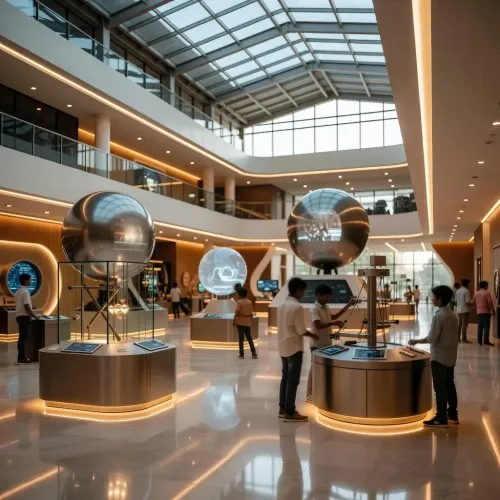
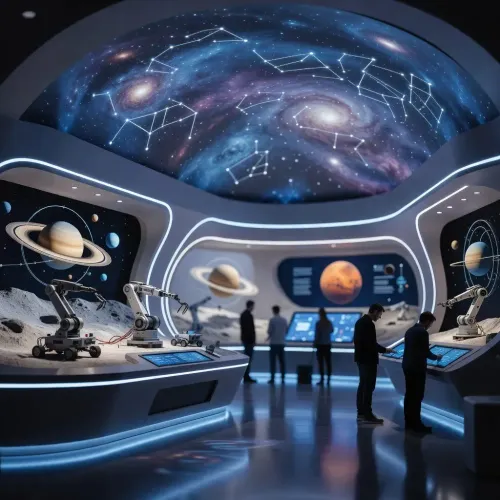
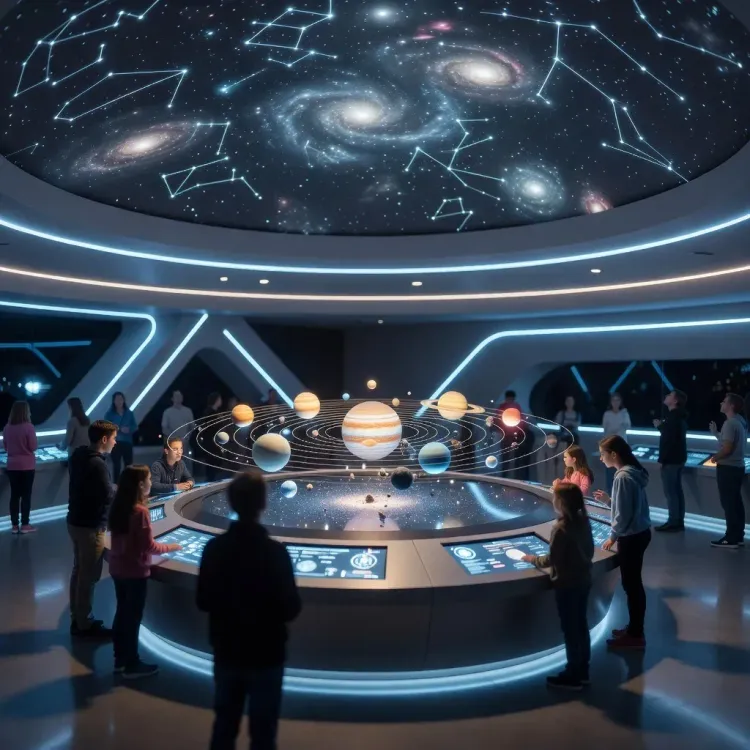
The facility is envisioned as far more than a conventional museum. According to Reddy's post, the centre will house interactive and immersive exhibits, an Astronomy and Space Science zone, and a Robotics and Innovation Hub. A 3D Digital Dome Theatre, a walk-through aquarium, a motion simulator, and dedicated Student Activity Zones round out the planned attractions — a lineup designed to make science visceral, not theoretical.
The choice of CSIR-IICT — the Indian Institute of Chemical Technology under the Council of Scientific and Industrial Research — as the host campus is deliberate. Hyderabad is already home to a dense cluster of national laboratories, and placing a public-facing science centre inside an active research institution blurs the line between professional science and public curiosity in a way that few facilities in India have attempted at this scale.
Hyderabad's place in India's science-outreach tradition
India's journey in public science infrastructure stretches back to the 1970s, when the National Council of Science Museums began seeding interactive science museums across major cities. Decades later, that network has grown but the gap between top-tier research cities and their public engagement infrastructure has often lagged. This project, if executed on the announced budget and specifications, would rank among the more ambitious single-site science outreach investments in recent memory.
The broader pattern here is consistent: the central government has been channelling infrastructure spending into cities that already carry research gravity — using existing institutional footprints to amplify public benefit rather than building from scratch in greenfield locations. For Hyderabad, a city that hosts the likes of CSIR-CCMB, CSIR-NGRI, ICRISAT, and a thriving tech sector, a Science City of this kind completes a logical arc.
Who it's built for — and what comes next
Reddy's announcement frames the beneficiaries in the broadest possible terms: schoolchildren, college students, and 'ordinary citizens' who want to engage with science without needing a lab coat to do so. The student activity zones and motion simulator signal a facility aimed squarely at young audiences, while the astronomy pavilion and robotics hub carry aspirational signalling toward cutting-edge fields driving India's economy.
The project still awaits its construction timeline, tender completion, and an inauguration date — the numbers and exhibit list are drawn from the ministerial announcement. The city, the campus, and the concept are set. Whether the Science City delivers on its ambition depends on what comes next: ground-breaking, steel, and a date on the calendar when Hyderabad's students walk in for the first time.
Point of View
Rather than a standalone site, signals an intent to link research prestige with public engagement — a model that science policy advocates have long championed. For Kishan Reddy, the announcement carries dual utility: it frames the BJP-led Centre as a pro-Telangana investor ahead of any electoral cycle, while reinforcing his credentials as the state's most prominent Union minister. The real test will be whether the construction timeline matches the budgetary ambition, given India's mixed record on completing science museum projects on schedule.
NationPress
18 Nov 2026
Frequently Asked Questions
Where will the new Science City in Hyderabad be built?
The Science Experience Centre, also called Science City, will be set up at the CSIR-IICT (Indian Institute of Chemical Technology) campus in Hyderabad , Telangana.
What is the budget for the Hyderabad Science City project?
The project has been announced with a budget of Rs 232.7 crore by Union Minister G. Kishan Reddy on 18 November 2026.
What facilities will the Hyderabad Science City have?
The centre is planned to include interactive and immersive exhibits , an Astronomy and Space Science zone , a Robotics and Innovation Hub , a 3D Digital Dome Theatre , a walk-through aquarium , a motion simulator , and Student Activity Zones .
Who announced the Science City project for Hyderabad?
Union Coal and Mines Minister G. Kishan Reddy , who is also the BJP Telangana state president, announced the project, attributing it to the central government led by PM Narendra Modi.
When will the Hyderabad Science City open?
An exact inauguration or opening date has not yet been announced. The project is in its announcement phase, with construction timelines and tender processes still to be detailed.