Saamana slams Centre over NEET crackdown, calls democracy's four pillars dismantled
Synopsis
Uddhav Thackeray's Saamana didn't just attack the NEET crackdown — it indicted all three pillars of state simultaneously. With 152 exam leaks, 75 million affected students, and allegations of police violence against female protesters, the editorial frames the student agitation not as a policy dispute but as a constitutional reckoning.
Key Takeaways
Shiv Sena (UBT) published a scathing Saamana editorial on 25 July attacking the Centre, Delhi Police, and judiciary over the NEET protest crackdown.
Climate activist Sonam Wangchuk ended a 26-day hunger strike at Jantar Mantar without any core demands — including Dharmendra Pradhan 's resignation — being met.
The editorial cited 152 exam paper leak incidents over the last decade with zero convictions , affecting an estimated 75 million students .
Education Minister Dharmendra Pradhan reportedly called protesters 'goons'; J.P.
Nadda accused opposition parties of politicising student grievances.
Chief Justice Surya Kant was criticised for allegedly refusing to view video evidence of police brutality against protesters.
Lawyers at the Supreme Court read the Constitution's Preamble aloud in solidarity with the students.
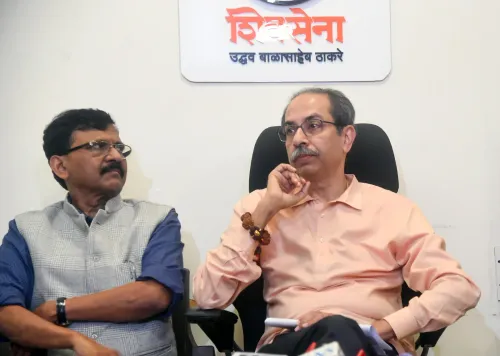
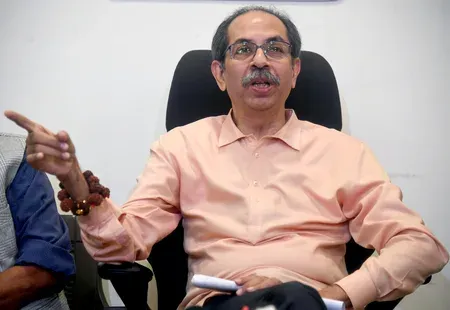
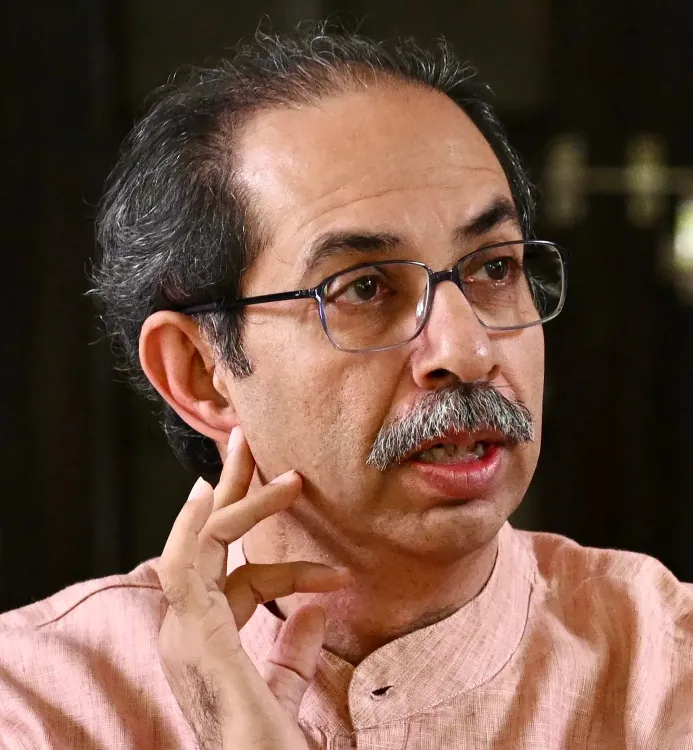
The Shiv Sena (Uddhav Balasaheb Thackeray) on Saturday, 25 July published a scathing editorial in its mouthpiece Saamana, accusing the Union government, Delhi Police, and the judiciary of systematically dismantling constitutional values amid the ongoing student agitation over NEET and other national examination paper leaks. The editorial described the ruling dispensation as indifferent to the mounting anger of millions of students and their families.
The Constitutional Charge
Invoking the Preamble of the Constitution, the Saamana editorial declared that the opening words — 'We, the People of India' — have been reduced to a hollow phrase over the past 12 years. 'The four pillars of democracy stand dismantled, and the vision of We, the People of India is mocked every single day,' the Thackeray camp stated, while asserting that ordinary citizens remain committed to defending democratic values.
Sonam Wangchuk's Hunger Strike and Its Fallout
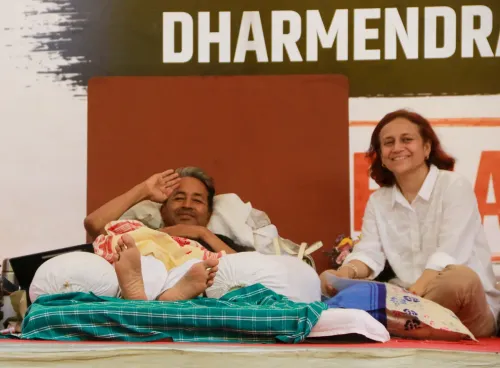
A significant portion of the editorial centred on climate activist Sonam Wangchuk, whose 26-day hunger strike at Jantar Mantar ended late Thursday night after he accepted a cup of soup from Union Ministers J.P. Nadda and Dr Jitendra Singh. The editorial questioned the circumstances under which the fast concluded, noting that none of the protesters' core demands — including the immediate resignation of Union Education Minister Dharmendra Pradhan — had been met. According to the editorial, Wangchuk had earlier been forcibly removed by security personnel behind a white sheet, detained at a hospital, and persuaded to end his fast without consulting fellow demonstrators.
Scale of the Exam Leak Crisis
To underscore the depth of the crisis, the editorial cited figures attributed to Leader of the Opposition in the Lok Sabha, Rahul Gandhi, stating that 152 instances of examination paper leaks have occurred across India over the last decade without a single conviction. The fallout has reportedly affected an estimated 75 million students and their families — a figure that the editorial presented as a damning indictment of systemic failure in the country's education administration.
Political Responses and Police Action
The editorial took sharp aim at the political establishment's response to the protests. Education Minister Dharmendra Pradhan drew criticism for reportedly labelling demonstrators at Jantar Mantar as 'goons' rather than genuine students. J.P. Nadda accused opposition parties of politicising student grievances for electoral advantage, urging that the issue be taken up constructively in Parliament. The Saamana editorial rejected this framing, asking how parties expressing solidarity with peaceful protesters could be branded as opportunistic. The Delhi Police faced particularly harsh criticism, with the editorial alleging that officers used excessive force against young demonstrators and tore the clothes of female protesters.
Judiciary Under Scrutiny
The editorial also directed sharp criticism at Chief Justice of India Surya Kant, alleging that when lawyers approached the Supreme Court with an urgent petition regarding police brutality, the CJI declined to review visual evidence of the alleged assault, reportedly stating: 'Do not waste time watching such assault videos; we have absolutely no interest in them.' The Thackeray camp argued that when the judiciary appears subservient to an unfeeling administration, citizens are left without recourse. In a contrasting development, members of the legal fraternity at the Supreme Court publicly declared solidarity with the students, gathering on the court premises to read aloud the Preamble of the Constitution. Student and youth groups across the country have pledged to continue their agitation, framing the movement as a broader struggle against systemic corruption in education.
Point of View
Zero convictions, 75 million affected students — is not easily dismissed as partisan noise. What is striking is the simultaneous indictment of the executive, police, and judiciary in a single editorial, a rhetorical escalation that signals the opposition believes institutional trust has eroded enough to make such a sweeping charge politically viable. The government's own response — labelling protesters 'goons' and accusing parties of opportunism — does little to address the structural failure at the heart of the crisis: an examination administration that has repeatedly collapsed without accountability.
NationPress
24 Oct 2026
Frequently Asked Questions
What did the Saamana editorial say about the NEET protest crackdown?
The Saamana editorial, published on 25 July by Shiv Sena (UBT), accused the Union government, Delhi Police, and the judiciary of dismantling democracy's four pillars while remaining indifferent to student anger over repeated exam paper leaks. It alleged police used excessive force against protesters, including female demonstrators, at Jantar Mantar.
Why did Sonam Wangchuk end his hunger strike?
Sonam Wangchuk ended his 26-day hunger strike at Jantar Mantar late Thursday night after accepting a cup of soup from Union Ministers J.P. Nadda and Dr Jitendra Singh. According to the Saamana editorial, none of the protesters' primary demands — including the resignation of Education Minister Dharmendra Pradhan — were met, and Wangchuk reportedly did not consult fellow demonstrators before breaking his fast.
How many exam paper leaks have occurred in India in the last decade?
According to figures cited in the Saamana editorial and attributed to Leader of the Opposition Rahul Gandhi, 152 instances of exam paper leaks have taken place across India over the last decade without a single conviction. The crisis has reportedly affected an estimated 75 million students and their families.
What was Chief Justice Surya Kant's alleged response to the police brutality petition?
The Saamana editorial alleged that when lawyers approached the Supreme Court with an urgent petition on police brutality against protesters, Chief Justice Surya Kant declined to review video evidence, reportedly stating: 'Do not waste time watching such assault videos; we have absolutely no interest in them.' The Supreme Court has not publicly confirmed this characterisation.
Are student protests over NEET continuing despite Wangchuk's fast ending?
Yes. Despite Sonam Wangchuk ending his hunger strike, student and youth groups across the country have pledged to continue their agitation. According to the Saamana editorial, they are framing the movement as a broader struggle against systemic corruption in India's education administration.