CM Saini Extends Free Bus Pass to Electric Buses for Haryana Students
Synopsis
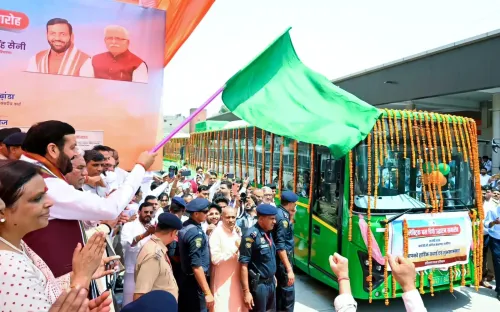
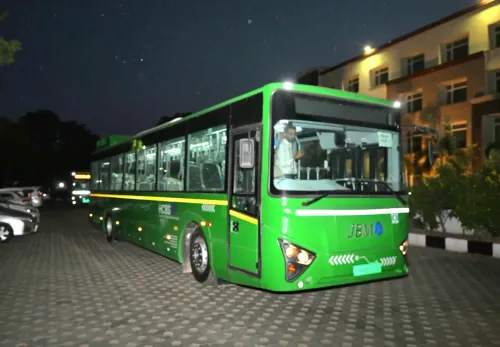
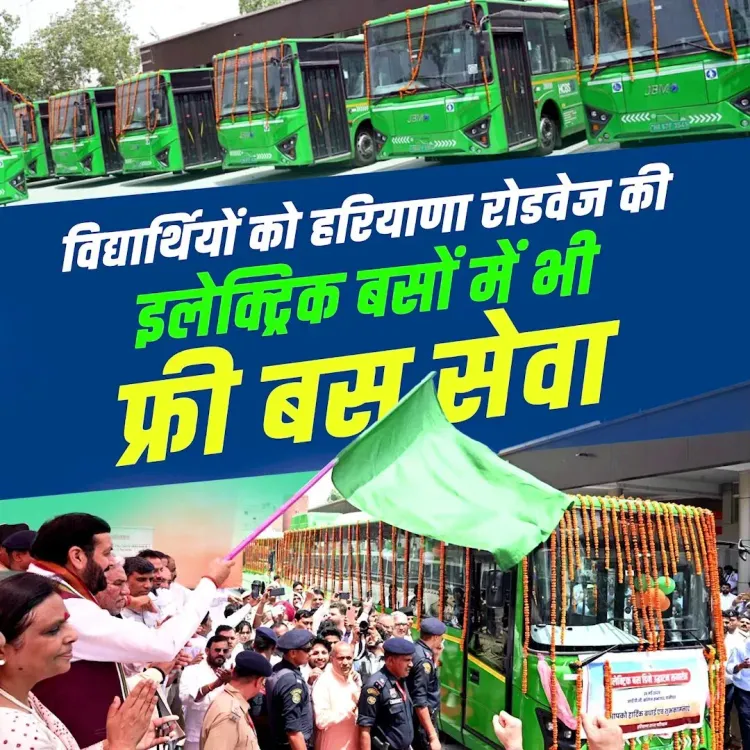
Haryana Chief Minister Nayab Singh Saini has announced that the free bus travel benefit available to school and college students on Haryana Roadways diesel services will be extended to the state's electric bus fleet, combining student welfare with the state's green transport push.
Key Takeaways
Haryana CM Nayab Singh Saini announced on 28 May 2026 that free bus travel for students will extend to electric buses.
The benefit mirrors the existing free travel concession on conventional Haryana Roadways diesel buses.
Both school and college students across Haryana are covered under the announcement.
The move aligns with India's FAME scheme push for electric public transport while preserving social subsidies.
Formal government notifications on rollout timelines and pass issuance are yet to be issued.
The policy ensures the transition to electric buses does not reduce welfare entitlements for student commuters.
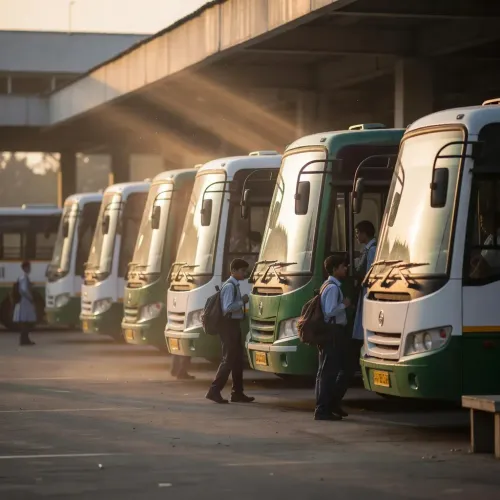
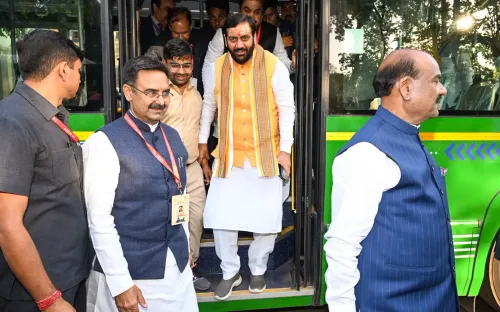
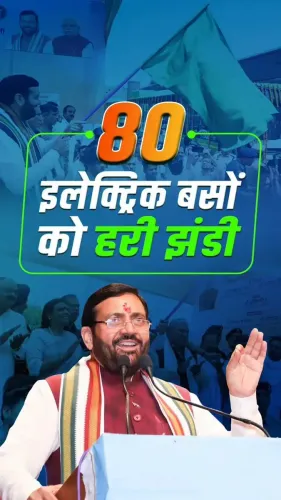
Haryana Chief Minister Nayab Singh Saini announced on Thursday, 28 May 2026 that school and college students in Haryana will receive free bus travel on the state's electric bus fleet, extending a benefit already available on conventional Haryana Roadways diesel services.
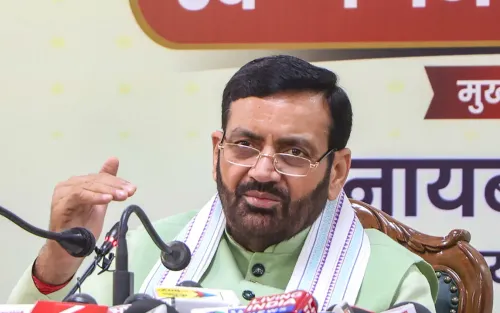
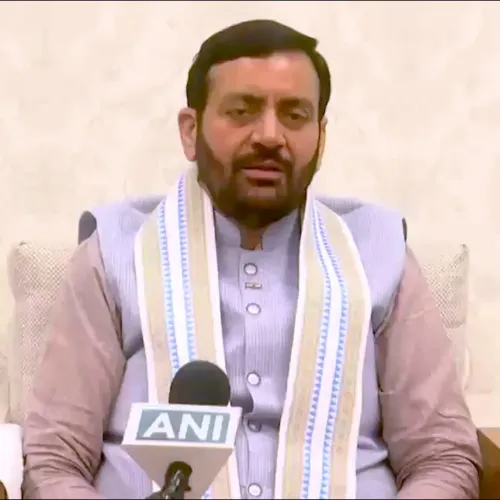
Posting in Hindi on X, CM Saini stated: 'हरियाणा के स्कूल और कॉलेज के विद्यार्थियों के लिए हरियाणा रोडवेज की तर्ज पर इलेक्ट्रिक बसों में भी फ्री बस सेवा रहेगी।' [Translation: 'For school and college students of Haryana, free bus service will be available on electric buses as well, on the lines of Haryana Roadways.']
Context
Haryana Roadways has historically provided free or heavily subsidised bus passes to students travelling to schools and colleges as part of the state's education support framework. This concession has been a long-standing feature of the state transport corporation's social mandate, benefiting students across urban and rural districts of Haryana.
The announcement by CM Saini signals that this welfare benefit will not be limited to the older diesel fleet but will carry over seamlessly to the newer electric bus services being inducted into the state's public transport network.
Policy Backdrop
India's push for electric public transport has accelerated since the launch of the FAME (Faster Adoption and Manufacturing of Electric Vehicles) scheme in 2015, with subsequent phases expanding subsidies for electric bus procurement by state transport undertakings. Several Indian states have grappled with the question of whether existing passenger concessions — particularly for students, women, and senior citizens — would extend to newly acquired EV fleets.
Haryana's decision, as articulated by CM Saini, aligns with a broader national pattern where states choose to maintain social subsidies even as they transition to cleaner technology, ensuring that the shift to electric mobility does not inadvertently erode welfare entitlements for vulnerable or economically weaker sections of the population.
Stakeholders and Impact
The primary beneficiaries are school and college students across Haryana, many of whom depend on state-run bus services for their daily commute, particularly in semi-urban and rural areas where private transport options are limited or unaffordable. For these students, the continuity of the free travel benefit on electric buses removes a potential financial barrier that could have emerged during the fleet transition.
The move is also significant for Haryana Roadways as an institution, reinforcing its dual role as both a commercially evolving entity adopting green technology and a social-sector service provider committed to student welfare. Operators and bus manufacturers supplying the electric fleet may also see stronger policy certainty around ridership and revenue support from the state government.
What's Next
Formal government notifications detailing the rollout timeline, the number of electric buses covered, and the pass issuance mechanism for students are expected to follow the announcement. Observers will also watch Haryana's state budget allocations for electric bus procurement, which will determine the scale and pace at which the free EV travel benefit reaches students statewide.
As more electric buses are inducted into the Haryana Roadways fleet, the policy will be tested on its implementation — particularly whether pass issuance and verification systems are updated in time to cover the new vehicle category without disruption to student commuters.
Point of View
The BJP-led Haryana government signals that modernisation of public infrastructure will not come at the cost of social equity. The announcement also fits into a wider pattern of state governments using student welfare schemes as a visible, low-cost political signal ahead of electoral cycles. The real test, however, will be in implementation — whether the administrative machinery of Haryana Roadways can update its pass systems and scale electric bus induction fast enough to make the promise tangible for students on the ground.
NationPress
11 Oct 2026
Frequently Asked Questions
Will Haryana students get free travel on electric buses?
Yes, Haryana CM Nayab Singh Saini announced on 28 May 2026 that school and college students will receive free bus travel on electric buses, extending the benefit already available on conventional Haryana Roadways services.
Which students are eligible for free electric bus service in Haryana?
Both school and college students in Haryana are eligible, as per the announcement by CM Nayab Singh Saini , on the same terms as the existing free travel concession on Haryana Roadways diesel buses.
What is the Haryana Roadways free bus pass scheme for students?
Haryana Roadways has long offered free or heavily concessional bus passes to school and college students as part of the state's education support policy. CM Saini's latest announcement extends this to the electric bus fleet.
When will free electric bus service start for Haryana students?
An exact implementation date has not been officially notified yet. Formal government orders detailing the rollout timeline and pass issuance process are expected to follow CM Saini's announcement of 28 May 2026 .
How does Haryana's student electric bus scheme connect to India's FAME policy?
India's FAME scheme , launched in 2015, subsidises electric bus procurement by state transport bodies. Haryana's decision to extend student concessions to EV buses reflects a broader national trend of maintaining social subsidies during the transition to electric public transport.