CM Saini holds Jan Samvad in Morni, orders swift grievance redressal
Synopsis
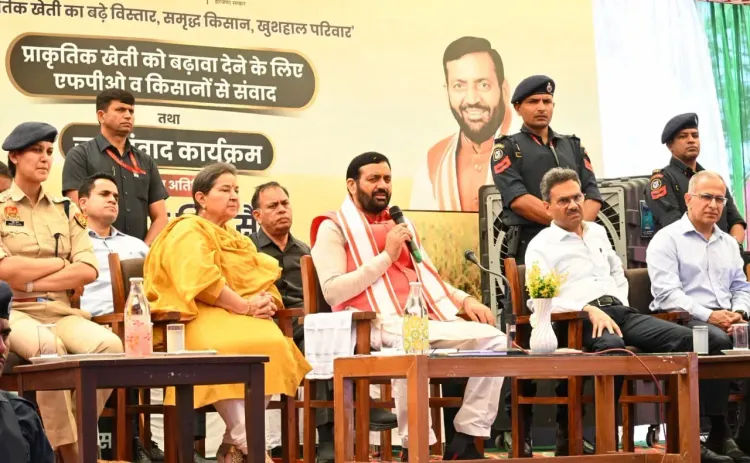
Haryana Chief Minister Nayab Singh Saini held a Jan Samvad programme in Morni, Panchkula, interacting directly with residents and instructing officials to resolve grievances swiftly. He described the dialogue as a medium of public participation, good governance and welfare, reaffirming his administration's commitment to last-mile delivery of schemes across the state.
Key Takeaways
Haryana CM Nayab Singh Saini held a Jan Samvad programme in Morni, Panchkula district.
Saini interacted directly with local residents and heard problems and suggestions.
Officials were directed to ensure swift and effective resolution of grievances.
The CM framed the dialogue as a tool for public participation and good governance.
Government reiterated its focus on last-mile delivery of welfare schemes.
Follow-up will be tracked on complaint resolution and similar events in other districts.
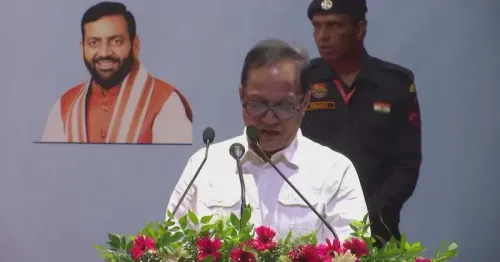
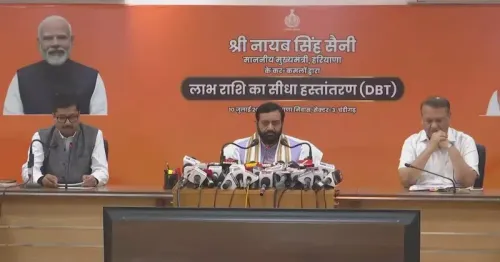
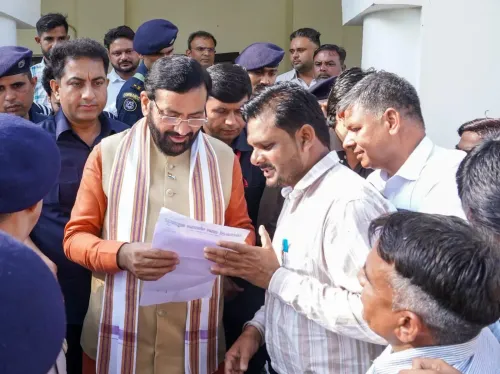
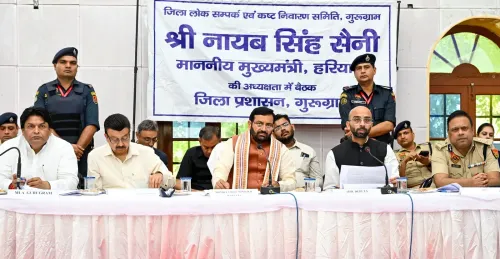
Haryana Chief Minister Nayab Singh Saini on Wednesday held a Jan Samvad (public dialogue) programme in Morni, a hill area in Panchkula district, directly interacting with residents and instructing officials to resolve their grievances in a time-bound manner. The Chief Minister said the outreach reflected his government's commitment to last-mile delivery of welfare schemes and participatory governance.
Context
In his post on X, Saini wrote that he had 'listened directly to the problems and suggestions of local citizens' through the programme and had taken 'prompt cognisance' of complaints raised during the interaction. He added that directions were issued to the concerned officers for 'swift and effective resolution' so that ordinary citizens could get 'time-bound relief'.
The Chief Minister framed the exercise as part of a wider governance philosophy, stating that his administration is working with a resolve for 'the all-round development of the state and to take the benefit of schemes to the last person'. He described the Jan Samvad programme as a 'strong medium' of the government's commitment to jan bhagidari (public participation), good governance and public welfare.
Policy backdrop
The Jan Samvad format has been used by the Haryana Bharatiya Janata Party (BJP) government as a recurring outreach mechanism since Saini took charge as Chief Minister in 2024. The programme typically involves the Chief Minister or senior ministers travelling to specific blocks or constituencies, hearing complaints in open forums, and routing them to district administration for follow-up.
The state has previously layered such direct dialogues onto existing grievance redressal systems, including online complaint portals and departmental hearings, in an attempt to compress turnaround times on issues ranging from pensions and ration cards to road and water connectivity. Morni, located in the Shivalik foothills, has historically flagged demands related to road access, drinking water, tourism infrastructure and education in its scattered hill settlements.
Stakeholders and impact
The immediate stakeholders are residents of Morni and surrounding villages in Panchkula, who use such events to escalate pending case files and local infrastructure demands directly to the Chief Minister's notice. For the district administration, on-the-spot directions from the Chief Minister typically translate into compressed deadlines and review meetings on flagged complaints.
Politically, the programme allows the ruling BJP to reinforce a public-connect narrative in a district that sits within the National Capital Region and combines urban pockets near Chandigarh with rural and hill constituencies. By foregrounding citizen interaction, the government is signalling a continued emphasis on responsive administration as a core plank of its governance pitch.
What's next
Attention will turn to whether the complaints flagged in Morni are visibly resolved through follow-up action by the Panchkula district administration, and whether similar Jan Samvad sittings are scheduled in other Haryana districts in the coming weeks. Sustained delivery on the on-the-spot directions issued by the Chief Minister will be the most concrete test of the programme's stated objective of time-bound relief.
For the Saini administration, the broader implication is the continued projection of a hands-on governance style anchored in direct public dialogue, even as the state navigates the routine administrative demands of welfare delivery and infrastructure expansion across its diverse regions.
Point of View
Absorb grievances in public view, and convert them into on-the-spot administrative directions. It is a low-cost, high-visibility format that complements Haryana's online grievance machinery while reinforcing the BJP's responsive-governance pitch in a politically competitive state. The real signal, however, lies not in the optics of the dialogue but in the follow-through by the Panchkula administration on flagged complaints. Sustained delivery, rather than the event itself, will determine whether Jan Samvad reads as substantive outreach or routine choreography.
NationPress
20 Oct 2026
Frequently Asked Questions
What is the Jan Samvad programme in Haryana?
Jan Samvad is a public dialogue format used by the Haryana government in which the Chief Minister or ministers travel to specific areas to directly hear citizens' problems and suggestions. Complaints raised at these sittings are forwarded to officials for time-bound resolution.
Where did CM Nayab Singh Saini hold the latest Jan Samvad?
Chief Minister Nayab Singh Saini held the latest Jan Samvad in Morni, a hill area in Panchkula district of Haryana. He interacted with local residents and issued directions to officials for swift redressal of grievances.
What did CM Saini say about scheme delivery?
Saini said his government is working with a resolve for the all-round development of Haryana and to ensure benefits of welfare schemes reach the last person. He described Jan Samvad as a strong medium of the government's commitment to public participation and good governance.
Why is Morni significant in Panchkula district?
Morni is a hill area in the Shivalik foothills within Panchkula district, known for its scattered settlements and tourism potential. It has historically flagged demands related to road connectivity, drinking water, education and tourism infrastructure.
How does Haryana handle public grievances beyond Jan Samvad?
Haryana operates online complaint portals and departmental grievance hearings in addition to Chief Minister-level outreach. Jan Samvad layers a direct, in-person channel on top of these systems to compress turnaround times on local issues.