Gujarat Dy CM Harsh Sanghavi holds Jan Sampark in Surat, orders swift action on grievances
Synopsis
Gujarat Deputy CM Harsh Sanghavi took grievances directly from Surat residents at the Circuit House on 3 October, ordering officials to act immediately and eliminate the need for repeat visits — a public accountability exercise in one of India's fastest-growing cities.
Key Takeaways
Gujarat Deputy CM Harsh Sanghavi held a Jan Sampark programme at the Surat Circuit House on 3 October 2026 .
Citizens from Surat city and district presented grievances on local administrative and development issues directly to the Deputy CM.
Senior departmental officials were present and directed to take immediate action without requiring citizens to make repeated visits.
Citizens whose issues had been recently resolved attended and expressed satisfaction with the administration's response.
The programme is part of Gujarat's ongoing Jan Sampark model for direct ministerial public outreach.
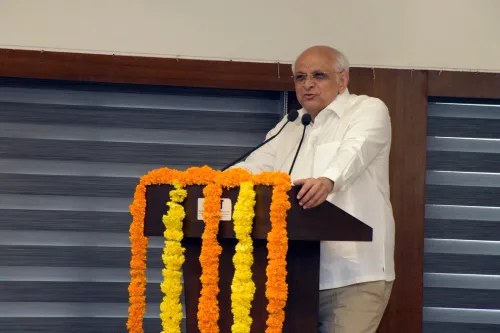
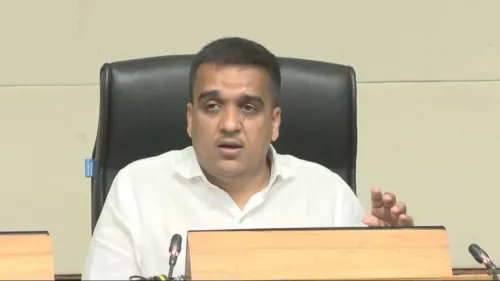
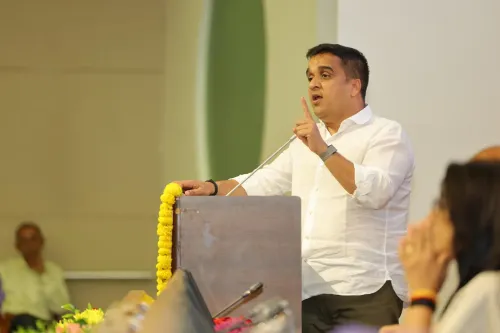
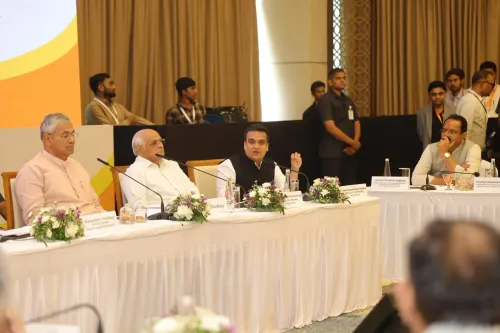
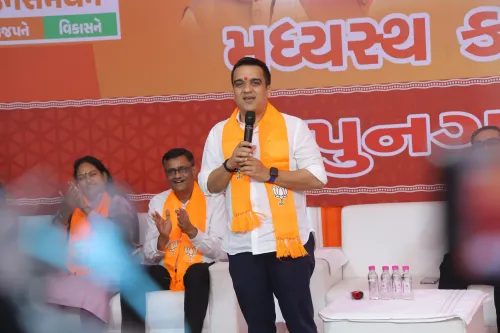
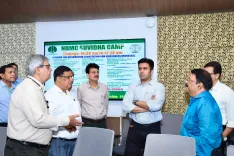
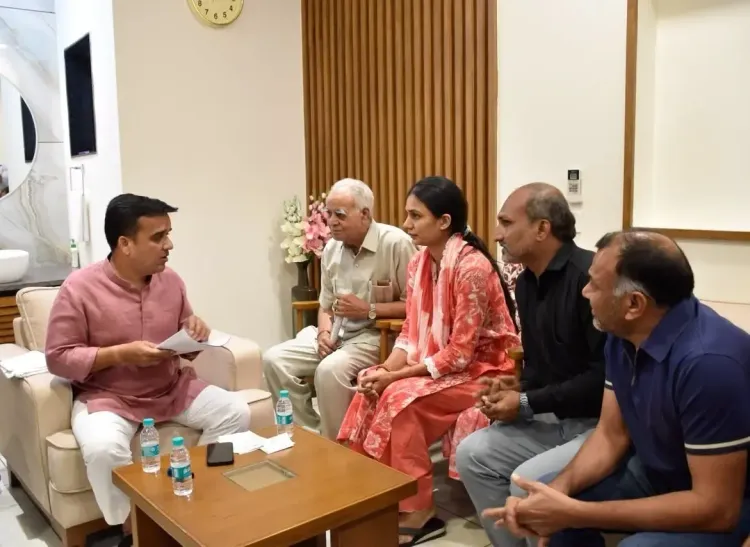
Gujarat Deputy Chief Minister Harsh Sanghavi on Saturday, 3 October 2026, conducted a Jan Sampark public outreach programme at the Surat Circuit House, personally hearing grievances from residents of Surat city and district and directing departmental officials to resolve pending issues without delay. The initiative gave citizens a direct channel to the state administration, bypassing routine bureaucratic queues.
What Happened at the Programme
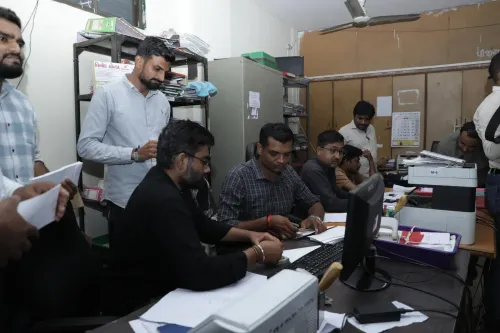
Sanghavi met citizens and applicants on an individual basis, listening to concerns spanning local administrative matters and development-related issues. Senior officials from the relevant departments were present throughout and were instructed to initiate necessary action on each representation. Crucially, officials were directed to work towards resolving complaints in a manner that eliminates the need for citizens to make repeated visits to government offices — a persistent pain point in public service delivery across Gujarat's urban centres.
Officials Put on Notice
The Deputy Chief Minister's instructions were unambiguous: examine every issue and take immediate steps for resolution. The presence of senior departmental heads at the venue signalled that this was not a symbolic exercise but a structured accountability mechanism. Officials were expected to commit to timelines on the spot rather than redirect applicants through conventional administrative channels.
Positive Feedback from Citizens
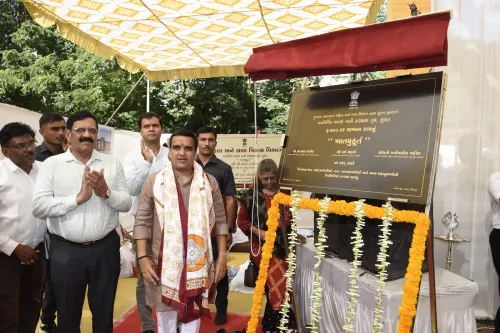
A notable feature of the programme was the participation of citizens whose grievances had been resolved in recent weeks. They met Sanghavi personally and expressed gratitude, sharing their experiences of how the administration had addressed their concerns. Such testimonials, according to officials, are intended to demonstrate the effectiveness of the Jan Sampark model and encourage other residents to bring forward unresolved issues.
The Broader Purpose of Jan Sampark
The Jan Sampark format — a structured public-interface programme where senior ministers hear citizens directly — has been a recurring feature of governance in Gujarat, aimed at decentralising access to administrative redressal. By holding the programme in Surat, one of the state's largest commercial and industrial hubs, the government sought to address the particular administrative load generated by a rapidly growing urban population. Surat's scale means that unresolved civic and development grievances can accumulate quickly, making direct ministerial intervention a periodic necessity.
The programme is expected to be followed up with departmental reviews to track compliance with the directions issued on the day.
Point of View
But their impact hinges entirely on what happens after the cameras leave — whether departmental follow-through is tracked and whether resolution rates are made public. Surat's size means grievance volumes are substantial; a single-day ministerial hearing, however well-intentioned, risks becoming symbolic unless tied to a verifiable compliance audit. The directive to eliminate repeat visits is the right instinct, but Gujarat's administration would strengthen accountability further by publishing resolution timelines and outcomes from each session.
NationPress
3 Oct 2026
Frequently Asked Questions
What is the Jan Sampark programme held by Harsh Sanghavi in Surat?
The Jan Sampark programme is a structured public outreach initiative where Gujarat Deputy Chief Minister Harsh Sanghavi personally hears grievances from citizens of Surat city and district. It was held on 3 October 2026 at the Surat Circuit House, with senior departmental officials present to receive directions for immediate action.
What kinds of grievances were raised at the Surat Jan Sampark?
Citizens raised concerns related to local administrative matters and development-related issues in Surat city and district. The programme covered a range of pending representations that applicants had been seeking resolution on through government departments.
What did Harsh Sanghavi direct officials to do?
Deputy CM Sanghavi directed senior officials from the concerned departments to take prompt and immediate action on every representation received. Officials were specifically instructed to resolve issues in a way that prevents citizens from having to make repeated visits to government offices.
Who is Harsh Sanghavi?
Harsh Sanghavi is the Deputy Chief Minister of Gujarat. He also holds the Home portfolio and is a Bharatiya Janata Party (BJP) leader representing the Majura constituency in Surat.
What is the significance of holding Jan Sampark in Surat?
Surat is one of Gujarat's largest and fastest-growing urban centres, making it a high-priority location for grievance redressal given the volume of civic and development-related complaints. The programme provides residents direct access to the Deputy Chief Minister, bypassing slower bureaucratic channels.