CM Himanta Sarma Visits Barpeta, Flags No Protest Traction
Synopsis
Assam Chief Minister Himanta Biswa Sarma visited Barpeta on October 15, 2026, and declared that so-called 'Dimagi Naxals' failed to organise any protest in the district, citing a lack of local support and framing the outcome as a public endorsement of peace.
Key Takeaways
Assam CM Himanta Biswa Sarma visited Barpeta in western Assam on October 15, 2026 and posted about it publicly.
Sarma claimed that individuals he called 'Dimagi Naxals' could not stage any protest in Barpeta due to an absence of local support.
The term 'Dimagi Naxals' is rhetorical — used by BJP leaders for intellectuals or activists accused of inciting unrest — and is not a formally designated group.
Barpeta is a district with a substantial Muslim population and has historically seen political and communal tensions, making it a politically significant backdrop for this message.
The Sarma administration has repeatedly framed protests across Assam as externally instigated, a pattern consistent with this latest statement.
The BJP -led Assam government has cited peace accords — including the 2023 ULFA tripartite agreement — as evidence of a broader stabilisation drive across the state.
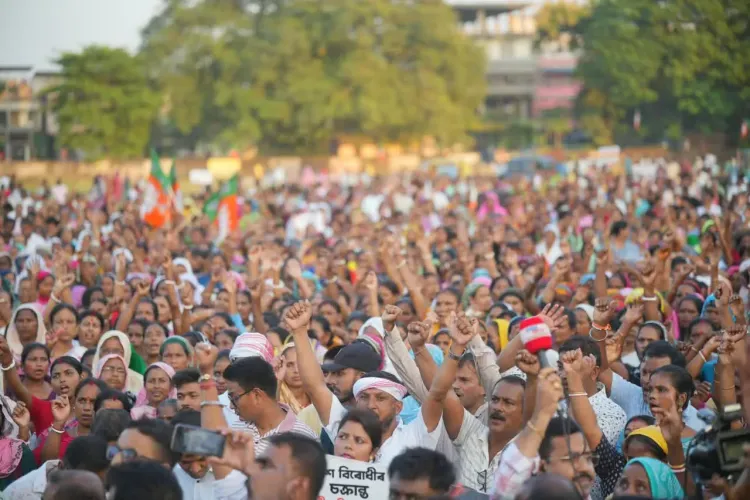
From the heart of western Assam, Assam Chief Minister Himanta Biswa Sarma sent a pointed political message on Thursday, October 15, 2026 — visiting Barpeta and declaring that those he termed 'Dimagi Naxals' had failed to mobilise any protest there, precisely because, in his words, they have no support base in the district.
What Sarma Said From Barpeta
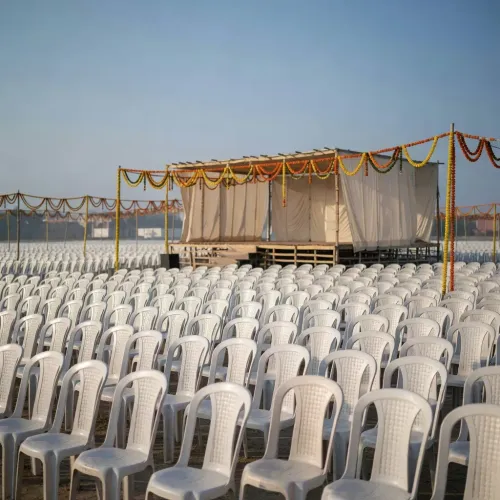
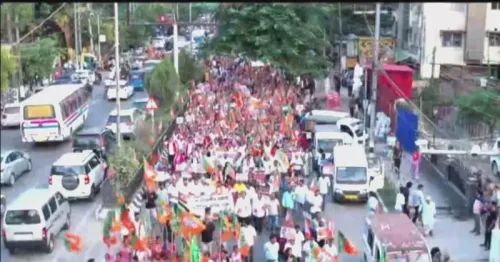
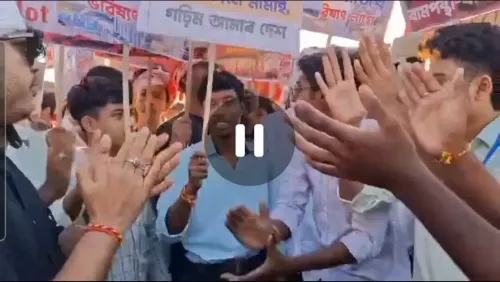
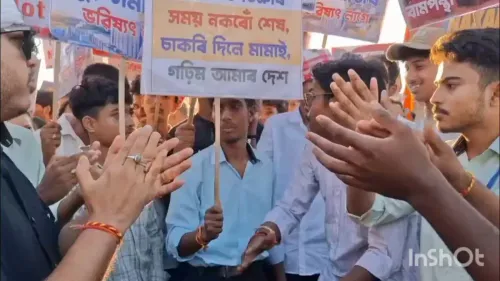
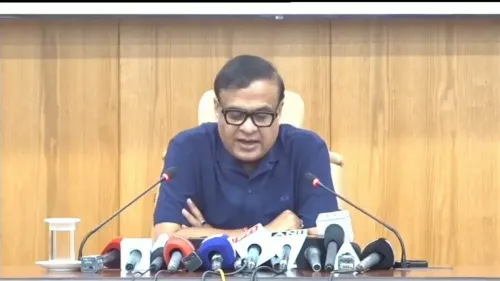
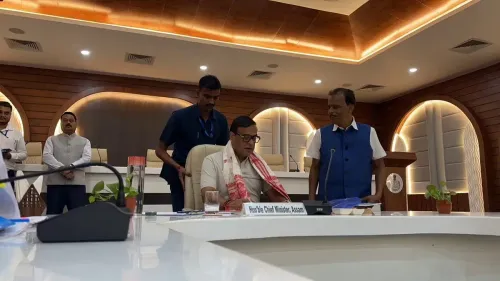
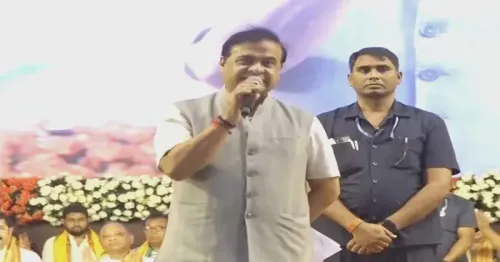
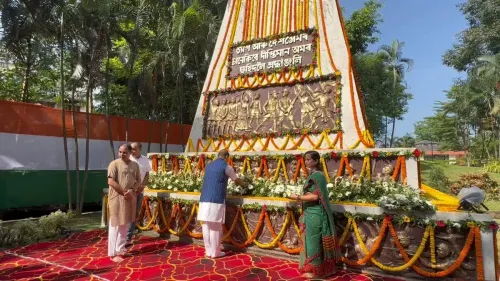
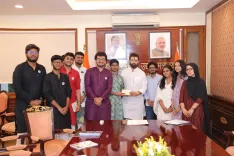
Posting from the western Assam district with four images, the Chief Minister was unambiguous: 'The people's answer is clear: No to unrest, yes to peace.' The phrase 'Dimagi Naxals' — a rhetorical term, not a formal group designation — is a label used by BJP leaders to describe intellectuals or activists they accuse of instigating unrest without participating in it directly. Sarma's framing positioned Barpeta as a counterpoint to unnamed locations where such mobilisation had, by his account, succeeded.
Why Barpeta Is a Deliberate Choice
Barpeta, a district with a significant Muslim population and a layered history of cultural importance and periodic political tension, is rarely the backdrop for a BJP chief minister's 'peace and stability' showcase. That Sarma chose it — and named it explicitly — signals a conscious effort to claim political ground in a district not traditionally seen as BJP stronghold territory. The visit fits a pattern the Sarma administration has followed since May 2021: touring districts to contrast local calm with unrest reported elsewhere, and attributing that calm to the government's security and development push.
The 'Urban Naxal' Rhetoric in a North-East Frame
The broader language deployed here — framing protests as externally engineered rather than locally felt — echoes a national BJP communication strategy applied to controversies over citizenship, land, and community rights. In the North-East, it carries additional weight: Sarma has presided over a series of peace initiatives, including the 2023 tripartite agreement with the ULFA pro-talks faction, and has consistently argued that the region's trajectory is toward normalcy, not conflict. A failed protest in Barpeta, if confirmed by independent accounts, becomes evidence he can marshal for that argument. An uninspected claim, it remains a political assertion.
The people of Barpeta may have delivered a verdict — or a verdict may have been delivered on their behalf. That distinction will define how this moment is remembered.
Point of View
While pre-emptively delegitimising any future mobilisation as externally sponsored. Choosing Barpeta — a Muslim-majority district with a complex political history — amplifies the message beyond the BJP's conventional base. The move also reinforces Sarma's national profile as a hardliner who can project stability in contested terrain. Whether the claim of zero protest activity holds up to independent scrutiny will determine whether this becomes a durable talking point or a liability.
NationPress
15 Oct 2026
Frequently Asked Questions
What did Assam CM Himanta Sarma say about Barpeta?
Sarma said that people he called 'Dimagi Naxals' were unable to organise any protest in Barpeta because they have no support base there, and that the people's answer is 'No to unrest, yes to peace.'
What does 'Dimagi Naxal' mean?
'Dimagi Naxal' is a rhetorical term — not a formal legal or security designation — used by BJP leaders to describe intellectuals or activists accused of intellectually instigating unrest without direct participation.
Why is Barpeta significant for this statement by Sarma?
Barpeta is a western Assam district with a large Muslim population and a history of political tension, making it a deliberate and symbolically charged choice for a BJP chief minister's 'peace and stability' message.
What is the Sarma government's track record on peace in Assam?
The Sarma administration has signed several peace agreements, including the 2023 tripartite accord with the ULFA pro-talks faction, and has consistently argued that Assam is moving toward normalcy from a period of insurgency.
Is the BJP's 'urban Naxal' framing unique to Assam?
No. The rhetorical device of labelling protest leaders or intellectuals as 'urban Naxals' or 'Dimagi Naxals' has been used by BJP leaders across India, particularly in debates around citizenship, land rights, and community resources.