CM Sawant Backs Sports Science Workshop for Goa Coaches
Synopsis
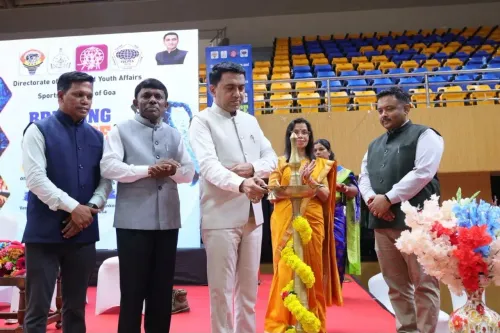
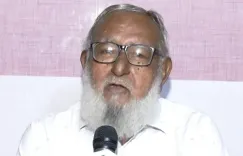
Goa Chief Minister Pramod Sawant attended a Capacity Building Workshop on Applied Sports Science on August 3, 2026, aimed at equipping coaches and Physical Education teachers with modern scientific tools to nurture athletes and advance the Viksit Goa vision.
Key Takeaways
Goa CM Pramod Sawant attended a Capacity Building Workshop on Applied Sports Science on August 3, 2026 .
The workshop targets coaches and Physical Education teachers — the foundational layer of athlete development.
Sawant linked the initiative to the Viksit Goa vision, aligning it with the national Viksit Bharat 2047 framework.
The effort builds on the Khelo India scheme (2017) and Fit India Movement (2019) , which laid the groundwork for decentralised sports development.
Goa has hosted multiple such training events as part of strengthening its school and district-level sports ecosystem.
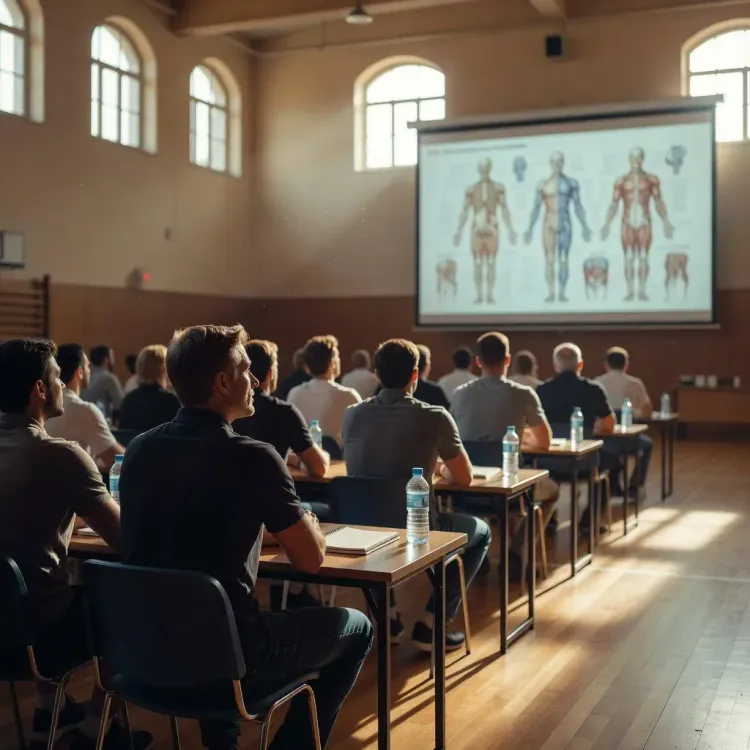
Science is now in the coaching kit. Goa Chief Minister Pramod Sawant attended a Capacity Building Workshop on Applied Sports Science on Monday, August 3, 2026, bringing together coaches and Physical Education teachers to sharpen their tools with modern scientific methods — part of a deliberate push to build what Sawant calls a Viksit Goa (Developed Goa).
From Classrooms to Podiums: What the Workshop Targets
The workshop is aimed squarely at the people who shape athletes before the spotlight ever finds them — school PE teachers and grassroots coaches. By embedding applied sports science into their practice, the state is betting that better-informed coaches produce better-prepared athletes. The logic is straightforward: talent identification fails without the science to back it up.
Sawant framed the initiative around three goals — nurturing champions, strengthening grassroots sports, and building a fit Goa. That framing deliberately links individual athletic achievement to a broader state development vision, echoing the national Viksit Bharat 2047 framework that the central government has promoted across sectors.
Khelo India Roots, Goa's Local Push
This workshop does not emerge from a vacuum. The Khelo India scheme, launched in 2017, set the template for decentralised grassroots sports investment across Indian states, with Goa among the participants. The Fit India Movement, started in 2019, added a school-level fitness layer to that foundation. Goa has since hosted multiple such training events to build out its school and district-level sports ecosystem.
Applied sports science — covering biomechanics, nutrition, sports psychology, and injury prevention — has become the next logical upgrade to that base. Indian states that have integrated it into coach education have seen measurable improvements in athlete retention and performance at the district and state level.
The Bigger Picture for Goa Sports
Goa is a small state with outsized ambitions in sport, having produced athletes who compete nationally and internationally. Upgrading the knowledge base of its PE teachers — who are often the first to spot a gifted young athlete — could have an outsized return. The question now is whether this workshop becomes a one-off event or seeds a recurring, district-wide programme embedded in state sports policy.
That rollout, and any integration into the school curriculum, will determine whether today's workshop is a headline or a turning point.
Point of View
Tying a state-level initiative to the BJP's national Viksit Bharat 2047 narrative and reinforcing Sawant's positioning as a development-oriented chief minister. For a small coastal state that competes on tourism and lifestyle branding, building a credible sports identity through scientific coaching could serve dual purposes — genuine athlete development and political optics ahead of state electoral cycles. The real test will be whether this workshop scales into a systemic curriculum change or remains a periodic showcase event.
NationPress
17 Sept 2026
Frequently Asked Questions
What is the Capacity Building Workshop on Applied Sports Science in Goa?
It is a training programme held on August 3, 2026, aimed at equipping Goa's sports coaches and Physical Education teachers with modern sports science knowledge to improve grassroots athlete development.
Why did Goa CM Pramod Sawant attend a sports science workshop?
Sawant attended to signal state government support for upgrading coaching standards and to link the initiative to his broader Viksit Goa development vision.
How does Khelo India relate to Goa's sports science workshops?
The Khelo India scheme, launched in 2017, established the framework for decentralised grassroots sports investment across Indian states including Goa, providing the policy foundation on which events like this workshop are built.
Who benefits from applied sports science training for coaches in Goa?
School Physical Education teachers and grassroots coaches are the direct beneficiaries, and through them, young athletes at the school and district level who are identified and trained earlier in their development.