Has the SC Finally Allowed the Long-Awaited Jail Warders’ Recruitment in J&K?
Synopsis
The recent Supreme Court ruling has given the green light for the long-stalled recruitment of Jail Warders in Jammu & Kashmir, a process that has been pending for nearly two decades. This decision marks a significant step towards resolving the grievances of candidates who have been waiting for their chance to serve.
Key Takeaways
Supreme Court upholds recruitment process.
J&K High Court's decision mandates completion 73 Warder positions pending since 2005.
Authorities criticized for prolonged inaction.
Final results never declared despite completed tests.
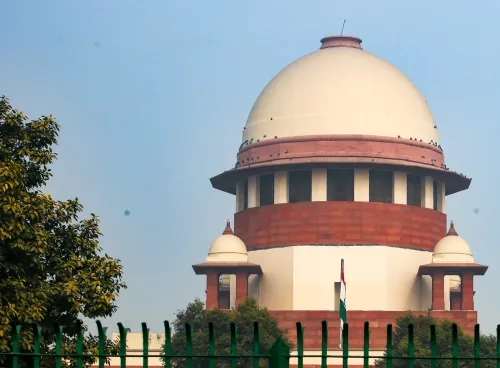
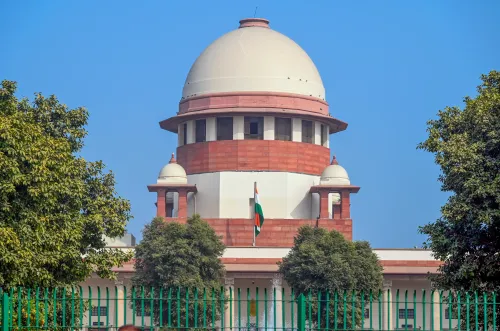
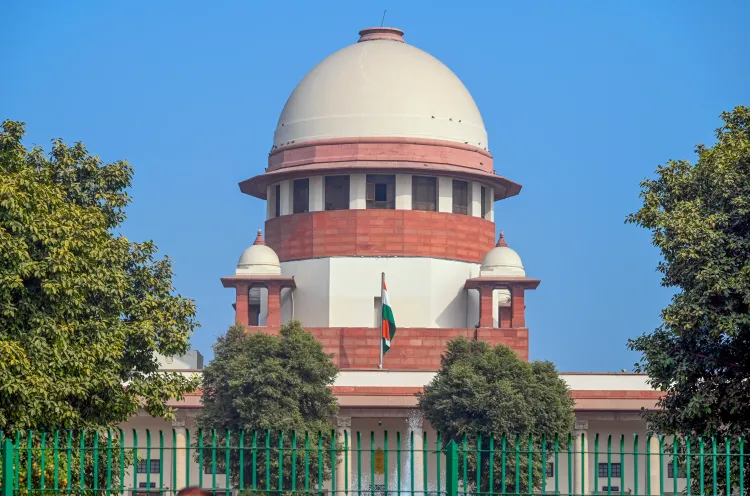
New Delhi, Jan 9 (NationPress) The Supreme Court has recently chosen not to intervene in a ruling by the Jammu and Kashmir High Court that mandates the finalization of a protracted recruitment initiative for Jail Warders that was first advertised almost 20 years ago.
A bench consisting of Justices Vikram Nath and Sandeep Mehta dismissed the special leave petition (SLP) submitted by the Union Territory of Jammu and Kashmir, indicating that they were "not inclined to interfere with the challenged judgment and order from the High Court." The bench stated, "The Special Leave Petition(s) are, therefore, dismissed," as they resolved all outstanding applications.
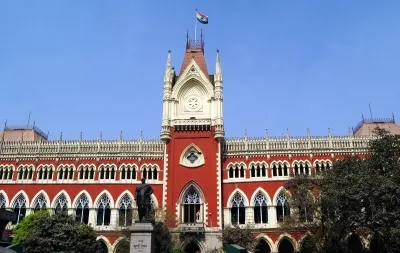
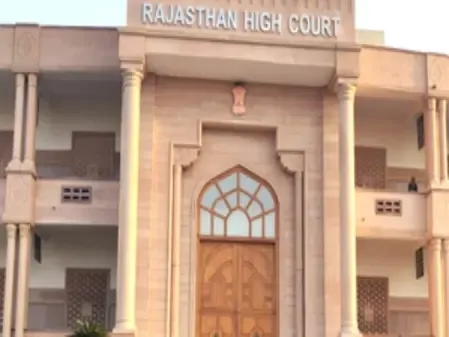
This SLP was a result of a judgment delivered on December 21, 2023, by the Jammu and Kashmir and Ladakh High Court, which upheld the decision made by the Central Administrative Tribunal (CAT) to annul the cancellation of the 2005 recruitment process for 73 Warder positions within the Prisons Department.
In its comprehensive judgment, the Jammu and Kashmir and Ladakh High Court criticized the authorities for cancelling the recruitment process after it had significantly progressed and for leaving the positions unfilled for many years.
A bench led by Justices Tashi Rabstan and Rajesh Sekhri observed that eligible candidates had submitted applications in response to the recruitment advertisement, successfully completing physical and outdoor tests in 2010, followed by literacy assessments and document verification in January 2011. However, the final results were never announced.
The bench, led by Justice Rabstan, remarked that the authorities had “allowed the matter to drag on for over 13 years” and ultimately revoked the entire selection process in February 2019 citing alleged procedural irregularities. Dismissing the government's justification, the Jammu and Kashmir and Ladakh High Court noted that the Department of Law had advised twice that once the selection process reached such an advanced stage, it could not be annulled.
The bench stated, “Once the selection process has nearly been completed, the petitioners-authorities were not expected to act arbitrarily in cancelling it, especially after such an extended period when the posts have remained vacant since 2005.”
Furthermore, the Justice Rabstan-led Bench concluded that any procedural irregularities could have been addressed without scrapping the entire process, noting there were no claims of illegality, malpractice, or unfair practices by candidates.
Recognizing the hardships faced by candidates who have waited for nearly two decades, the Jammu and Kashmir and Ladakh High Court instructed the authorities to complete the selection process within three months and to adopt a "sympathetic perspective," as many candidates have exceeded the age limit and "have no opportunity to secure another job since the posts were advertised in 2005."
Senior advocate Dr. Anindita Pujari, in collaboration with advocates Piyush Dwivedi, Adil Muneer, Shaileshwar Yadav, Radhika Mahopatra, and Aushaq Hussain, represented 172 candidates before the apex court.
With the Supreme Court's decision to refrain from intervening, the directives of the J&K and Ladakh High Court have become final, paving the way for the long-delayed recruitment process within the Jammu & Kashmir Prisons Department.
Point of View
This ruling by the Supreme Court highlights the importance of accountability and timely recruitment processes in government sectors. The prolonged wait faced by candidates not only affects their careers but reflects on the administrative efficiency of the authorities involved. Ensuring a fair and prompt resolution is essential for restoring trust in public service recruitment.
NationPress
30 Sept 2026
Frequently Asked Questions
What prompted the Supreme Court's involvement in the Jail Warders' recruitment process?
The Supreme Court intervened after the Jammu and Kashmir High Court ruled in favor of completing a long-pending recruitment process that had been stalled for nearly two decades.
How many positions were advertised for the Jail Warders?
The recruitment process was for 73 positions of Warders in the Prisons Department.
Why was the original recruitment process cancelled?
The recruitment process was cancelled in February 2019 due to alleged procedural irregularities, despite significant progress having been made.
What was the High Court's directive regarding the recruitment process?
The High Court directed the authorities to complete the recruitment process within three months, recognizing the lengthy wait of the candidates.
Who represented the candidates in the Supreme Court?
Senior advocate Dr. Anindita Pujari, along with a team of other advocates, represented the candidates in the Supreme Court.