Why Did the SC Postpone the Plea Against Sonam Wangchuk’s Detention?
Synopsis
The Supreme Court has delayed the hearing of Gitanjali J. Angmo's plea challenging her husband Sonam Wangchuk's detention under the NSA to January 7, 2026. This critical case revolves around fundamental rights and the implications of climate activism in India. Stay informed on this significant development.
Key Takeaways
Supreme Court adjourned hearing to January 7, 2026.
Angmo challenges her husband's detention.
Wangchuk's case raises questions about fundamental rights .
Authorities maintain detention is justified.
Significant implications for climate activism in India.
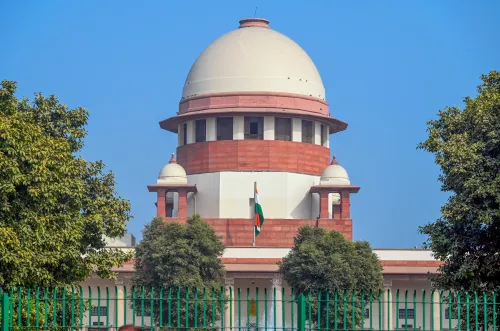
New Delhi, Dec 15 (NationPress) The Supreme Court has postponed the hearing regarding a petition submitted by Gitanjali J. Angmo, the spouse of detained climate activist Sonam Wangchuk, to January 7, 2026. This plea challenges his detention under the National Security Act (NSA). Angmo’s habeas corpus petition asserts that Wangchuk’s imprisonment is “illegal” and constitutes an “arbitrary exercise violating his fundamental rights.” The case was presented before a Bench consisting of Justices Aravind Kumar and N.V. Anjaria for review.
The Supreme Court had previously allowed Angmo to revise her petition, instructing the Centre, the UT administration, and the prison authorities to submit their additional responses.
“The petitioner is allowed to modify the petition and file a revised copy within a week. The amended counter must be submitted within 10 days thereafter. Any rejoinder should be filed within a week after that. The matter is scheduled for November 24,” read the apex court's order issued on October 29.
In her revised petition, Angmo argues that the detention order was issued mechanically, lacking thorough consideration, and that essential procedural protections under the NSA were disregarded.
She also contends that the authorities acted hastily and failed to provide sufficient grounds for detention in a timely and meaningful manner, thereby denying Wangchuk the chance to make a competent representation.
In its affidavit, the administration of Ladakh maintains that the detention was justified due to Wangchuk's alleged involvement in stirring unrest in Leh. It further asserts that the grounds for detention were communicated within the legal timeframe and that the detention advisory board later upheld the decision.
The District Magistrate of Leh indicated that the detention order was issued on September 26 after he was “satisfied and remains satisfied with the detention of the detenue,” based on activities deemed “prejudicial to the security of the State, maintenance of public order, and essential community services.”
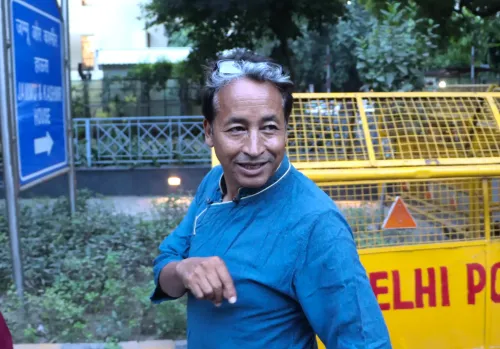
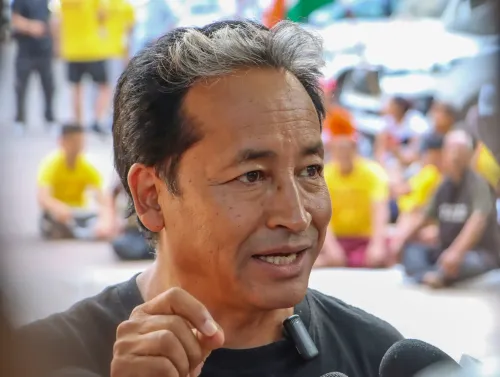
Wangchuk, an influential environmentalist and education reform advocate, was detained in September and subsequently relocated to Jodhpur Central Jail in Rajasthan.
Point of View
It is essential to approach this matter with a balanced perspective, recognizing the complexities involved in the intersection of national security and fundamental rights. The case of Sonam Wangchuk raises pertinent questions about the limits of state power in addressing dissent, particularly from influential figures in environmental advocacy. Our commitment is to report on this issue with integrity and fairness, ensuring that all voices are heard while prioritizing national interests.
NationPress
6 Oct 2026
Frequently Asked Questions
What is the significance of Sonam Wangchuk's case?
Sonam Wangchuk's case highlights the ongoing tension between environmental activism and national security in India, raising critical questions about fundamental rights.
Who is Gitanjali J. Angmo?
Gitanjali J. Angmo is the wife of Sonam Wangchuk and has been actively challenging his detention under the National Security Act.
What is the National Security Act?
The National Security Act is a law that allows for the detention of individuals without trial under specific circumstances deemed necessary for national security.
When is the next hearing in this case?
The next hearing in the case is scheduled for January 7, 2026.
What are the implications of this case for climate activism?
The outcome of this case may set a precedent for how climate activists are treated under the law, impacting future protests and movements.