SC rejects anticipatory bail for Kannur Dental College professor in Dalit student suicide case
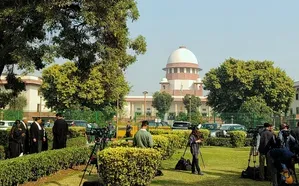
Synopsis
The Supreme Court refused to shield a Kannur Dental College professor from arrest in a Dalit student’s suicide case, declaring that ‘a message has to go.’ The ruling sends a stark signal to educators across India: classroom humiliation carries legal consequences, and seniority is no insulation from accountability.
Key Takeaways
The Supreme Court on 13 July dismissed the anticipatory bail plea of Dr M.
Kodanda Ram , professor at Kannur Dental College .
Dalit student Nithin Raj allegedly died by suicide on 10 April after jumping from a building near the college.
Dr Ram and two other faculty members are booked for abetment of suicide and offences under the SC/ST (Prevention of Atrocities) Act .
The court called the professor’s alleged conduct ‘inhuman’ and said public humiliation of a student was ‘the tipping point.’ The Kerala High Court had earlier rejected the bail plea on 19 June , noting student statements indicated improper conduct by the accused.
Badharudeen had flagged recurring harassment in medical colleges and called for a dedicated state committee to address such complaints.
The Supreme Court on Monday, 13 July refused to grant anticipatory bail to Dr M. Kodanda Ram, a professor at Kannur Dental College in Kerala, accused of verbally harassing Dalit student Nithin Raj, who died by suicide in April. The court, while dismissing his plea, declared that “a message has to go” that teachers cannot treat students in such a manner.
What the Supreme Court Said
A Bench of Justice Vikram Nath and Justice Sandeep Mehta dismissed the special leave petition (SLP) filed by Dr Ram challenging the Kerala High Court’s order that had rejected his plea for pre-arrest protection. The bench was unsparing in its remarks, observing that the psychological impact of public humiliation on a student “could not be ignored.”
“Inhuman is the only word that comes to mind. How does he address the students?” the Justice Nath-led Bench remarked during the hearing. It further noted: “If a student is insulted in this way in the classroom, what will be the impact? It was the tipping point.”
When the professor’s counsel submitted that the accused had “learnt his lesson,” the Bench responded: “No question about learning a lesson.” It then dismissed the petition with the observation: “That teacher can’t walk away with such kind of behaviour. A message has to go.”
Arguments Made by the Defence
Senior advocate D.S. Naidu, appearing for Dr Ram, argued that the alleged classroom humiliation had occurred nearly a month before Nithin Raj’s death on 10 April and could not, therefore, be treated as the proximate cause of the suicide. The defence contended that a separate incident closer to the student’s death — involving a loan reportedly taken through a mobile application using a professor’s name as guarantor without permission, and a subsequent reprimand in the principal’s chamber — was more directly relevant.
Naidu further argued that no caste-related remarks had been attributed to Dr Ram specifically, and warned that prosecuting teachers for maintaining strict discipline could have a “chilling effect” on educators. “He is a professor in a medical college,” Naidu submitted, adding that a teacher could sometimes become “overbearing in the interest of the student.” The court was unmoved.
Background: The Death of Nithin Raj
Nithin Raj, a dental student at Kannur Dental College, allegedly died by suicide on 10 April after jumping from a building near the college. Based on a complaint filed by his father, police booked Dr Ram and two other faculty members for abetment of suicide and offences under the Scheduled Castes and Scheduled Tribes (Prevention of Atrocities) Act, alleging that the student had been subjected to caste-based harassment and mental cruelty before his death.
Kerala High Court’s Earlier Order
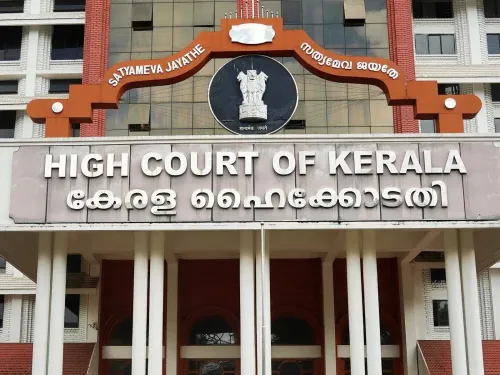
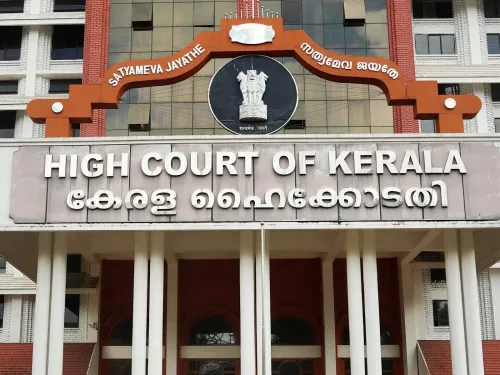
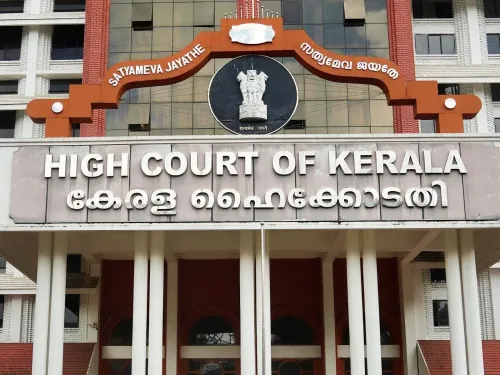
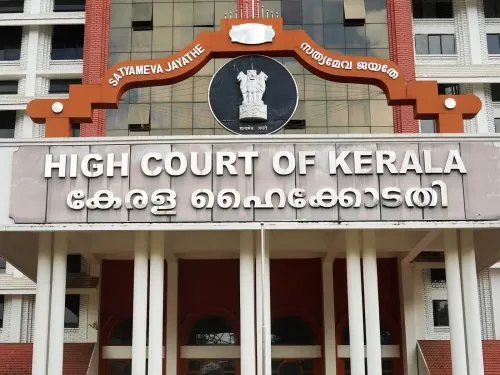
The Kerala High Court had on 19 June rejected Dr Ram’s anticipatory bail plea, recording the prosecution’s case that student statements indicated improper conduct by the professor and that he had allegedly instigated other faculty members to harass Nithin Raj. The state government had opposed pre-arrest protection during those proceedings, while the defence had relied on CCTV footage and documents related to the loan recovery matter.
A single-judge Bench of Justice A. Badharudeen had also flagged recurring allegations of harassment in medical colleges, observing that the government should consider constituting a dedicated committee to examine such complaints and recommend corrective measures.
What Happens Next
With the Supreme Court now declining to intervene, Dr Ram faces the prospect of arrest as the investigation proceeds. The case has reignited a broader national conversation about caste-based discrimination and institutional harassment within professional colleges, with advocates for Dalit rights calling for systemic reforms in how such complaints are handled. The Kerala government’s response to the High Court’s suggestion of a grievance committee will be closely watched.
Point of View
’ ‘tipping point,’ ‘a message has to go’ — is unusually pointed, and deliberately so. What the mainstream coverage underplays is the structural dimension: this is not an isolated incident but part of a documented pattern of caste-based harassment in medical and dental colleges, where junior students from marginalised communities are disproportionately vulnerable to faculty power. The Kerala High Court’s suggestion of a standing grievance committee deserves more attention than it has received — without institutional reform, individual convictions will remain symbolic wins in a system that keeps producing the same tragedies.
NationPress
12 Oct 2026
Frequently Asked Questions
Why did the Supreme Court refuse anticipatory bail to the Kannur Dental College professor?
The Supreme Court refused anticipatory bail to Dr M. Kodanda Ram because it found the alleged classroom humiliation of Dalit student Nithin Raj constituted serious misconduct that warranted a clear judicial message. The bench stated that the psychological impact of public humiliation on a student could not be ignored and that ‘a message has to go’ that teachers cannot behave in such a manner.
Who was Nithin Raj and what happened to him?
Nithin Raj was a Dalit dental student at Kannur Dental College in Kerala who allegedly died by suicide on 10 April after jumping from a building near the college. His father filed a complaint alleging that he had been subjected to caste-based harassment and mental cruelty by faculty members before his death.
What charges have been filed against Dr M. Kodanda Ram?
Dr M. Kodanda Ram and two other faculty members have been booked for abetment of suicide and for offences under the Scheduled Castes and Scheduled Tribes (Prevention of Atrocities) Act . The prosecution alleges that the professor verbally harassed and humiliated the student and allegedly instigated other faculty to do the same.
What was the defence’s argument before the Supreme Court?
Senior advocate D.S. Naidu , appearing for Dr Ram , argued that the alleged classroom humiliation occurred nearly a month before the student’s death and was not the proximate cause of the suicide. The defence also contended that no caste-related remarks were specifically attributed to Dr Ram and warned that prosecuting teachers for strict discipline would have a ‘chilling effect’ on educators.
What did the Kerala High Court say when it earlier rejected the bail plea?
The Kerala High Court rejected Dr Ram’s anticipatory bail plea on 19 June , citing student statements that indicated improper conduct by the professor. Justice A. Badharudeen also flagged recurring harassment allegations in medical colleges and suggested the state government consider forming a committee to examine such complaints and recommend corrective measures.