Kerala HC rejects bail plea of dental professor in Dalit student suicide case
Synopsis
The Kerala High Court has refused anticipatory bail to Dr M. Kodanda Ram, the prime accused in Dalit dental student Nithin Raj's suicide case — keeping arrest on the table. The court also flagged a pattern of harassment complaints from medical colleges, calling on the government to form a dedicated committee. This case is becoming a flashpoint for accountability in Kerala's professional education institutions.
Key Takeaways
The Kerala High Court on 19 June dismissed the anticipatory bail plea of Dr M.
Kodanda Ram , head of department at Kannur Dental College .
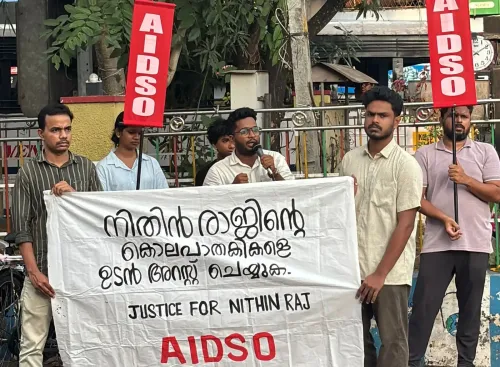
Nithin Raj , a Dalit dental student, allegedly died by suicide on 10 April after his family alleged caste-based harassment by faculty.
Dr Ram and two other staff members were booked for abetment of suicide and offences under the SC/ST (Prevention of Atrocities) Act, 1989 .
The sessions court had earlier granted bail to co-accused Dr Sangeetha Nambiar on 25 April but rejected Dr Ram's plea.
The High Court flagged a pattern of harassment in medical colleges and urged the government to consider a dedicated grievance committee.
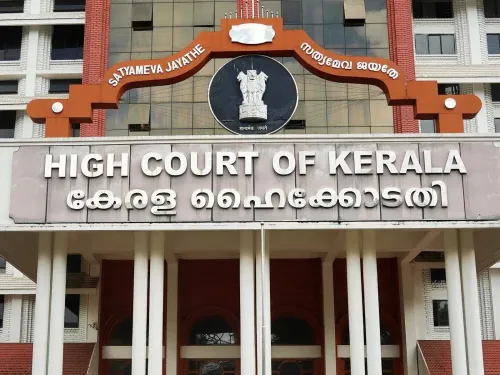
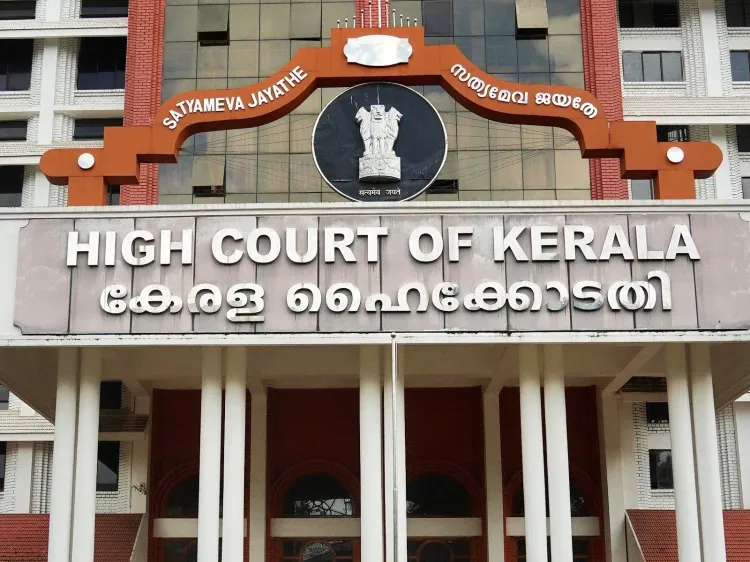
The Kerala High Court on Friday, 19 June dismissed the anticipatory bail plea of Dr M. Kodanda Ram, head of department at Kannur Dental College, who stands accused of verbally harassing Dalit student Nithin Raj — a dental student who died by suicide in April. Justice A. Badharudeen delivered the verdict, refusing to grant Dr Ram protection from arrest in a case that has drawn attention to caste-based harassment in professional colleges across Kerala.
Background: What Happened to Nithin Raj
Nithin Raj allegedly took his own life on 10 April by jumping from a building near the college. His family alleged that he had been subjected to caste-based harassment and mental cruelty by faculty members in the period leading up to his death. Based on a complaint filed by his father, police registered a case against Dr Ram and two other staff members for abetment of suicide and offences under the Scheduled Castes and Scheduled Tribes (Prevention of Atrocities) Act, 1989.
How the Bail Proceedings Unfolded
Dr Ram had initially approached the sessions court seeking anticipatory bail, along with fellow accused faculty member Dr Sangeetha Nambiar. The sessions court granted bail to Dr Nambiar on 25 April but rejected Dr Ram's plea, prompting him to move the High Court. Opposing the bail application, the state argued that statements from two students indicated improper conduct by Dr Ram towards students. The prosecution also submitted that Dr Ram had allegedly instigated other teachers to harass Nithin Raj.
What the Defence Argued
Dr Ram's counsel denied all allegations of caste-based harassment, contending that other factors were linked to the student's distress. The defence relied on CCTV footage showing Nithin Raj in the college principal's room before his death, along with documents relating to alleged loan recovery pressure faced by the student. The court examined submissions from both sides before refusing to extend protection from arrest to Dr Ram.
Court's Broader Observations
During the course of the hearing, the High Court raised concerns over repeated allegations of harassment reported from medical colleges in the state. The court observed that the government should consider setting up a dedicated committee to examine such complaints and recommend corrective measures — a remark that signals judicial discomfort with the systemic pattern, not just the individual case.
Wider Implications
The case has intensified debate over student welfare, institutional accountability, and the adequacy of existing grievance mechanisms in professional colleges. Critics argue that Nithin Raj's death exposes structural failures in how complaints of caste-based discrimination are handled within dental and medical institutions. With Dr Ram now denied anticipatory bail protection, his arrest remains a possibility as the investigation continues.
Point of View
But the more consequential moment in this case was the bench's observation about systemic harassment in medical colleges — a pattern that institutions and regulators have long failed to address. Nithin Raj's death is not an isolated incident; it sits within a well-documented history of caste-based discrimination in professional education that rarely results in institutional consequences. The defence's pivot to loan pressure and CCTV footage, while legally legitimate, risks obscuring the structural question: why do Dalit students in professional colleges remain so vulnerable, and who is accountable when complaints go unheard? The government's response to the court's committee suggestion will reveal whether this case produces policy change or another round of performative concern.
NationPress
18 Sept 2026
Frequently Asked Questions
Why did the Kerala High Court reject Dr M. Kodanda Ram's bail plea?
The Kerala High Court rejected Dr Ram's anticipatory bail plea on 19 June after the state argued that student statements indicated improper conduct by him and that he had allegedly instigated other teachers to harass Nithin Raj. Justice A. Badharudeen found insufficient grounds to grant protection from arrest.
Who was Nithin Raj and what happened to him?
Nithin Raj was a Dalit student at Kannur Dental College who allegedly died by suicide on 10 April by jumping from a building near the college. His family alleged he was subjected to caste-based harassment and mental cruelty by faculty members before his death.
What charges have been filed in the Nithin Raj suicide case?
Police booked Dr M. Kodanda Ram and two other staff members for abetment of suicide and offences under the Scheduled Castes and Scheduled Tribes (Prevention of Atrocities) Act, 1989, based on a complaint filed by Nithin Raj's father.
What did the High Court say about harassment in medical colleges?
During the hearing, the Kerala High Court raised concerns over repeated allegations of harassment from medical colleges and observed that the government should consider forming a committee to examine such complaints and suggest corrective measures.
What is the current legal status of the other accused, Dr Sangeetha Nambiar?
Dr Sangeetha Nambiar, a co-accused faculty member, was granted anticipatory bail by the sessions court on 25 April. Her bail was not challenged in the High Court proceedings that resulted in Dr Ram's plea being dismissed.