Kerala HC takes suo motu cognisance of shutdown violence over Nithin Raj death
Synopsis
The Kerala High Court stepped in suo motu after a Dalit-called shutdown over BDS student Nithin Raj's alleged caste-harassment death spiralled into statewide violence — 91 arrests, 27 cases, and a bench that has already banned such hartals once before. The May 1 hearing could set a landmark precedent on protest accountability.
Key Takeaways
The Kerala High Court initiated suo motu proceedings on 29 April 2025 over violence during a statewide shutdown called by Dalit organisations.
91 persons were arrested and at least 27 cases registered across Kerala by Tuesday afternoon.
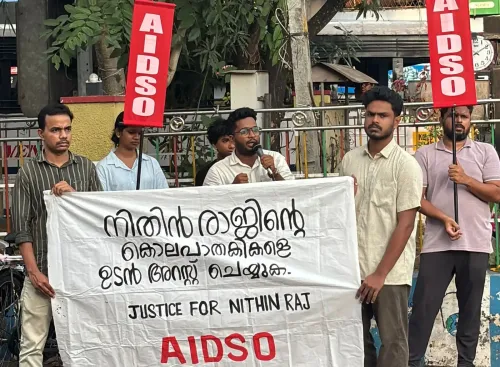
The shutdown was called to protest the alleged caste-based harassment and death of Nithin Raj , a first-year BDS student at Kannur Dental College .
Police have registered cases against two faculty members under the SC/ST (Prevention of Atrocities) Act and abetment-of-suicide provisions.
Protesters demanded a murder probe, arrest of the accused, ₹10 crore compensation, and cancellation of the college's accreditation.
The matter is posted for further hearing on 1 May 2025 , with the State directed to submit a detailed report.
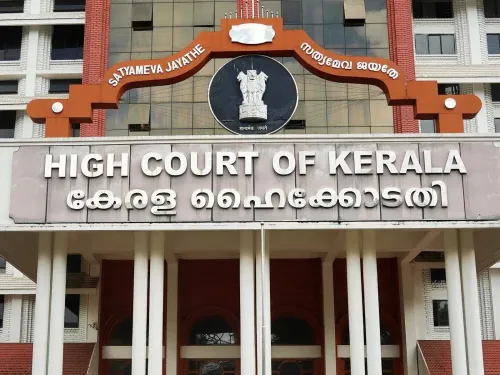
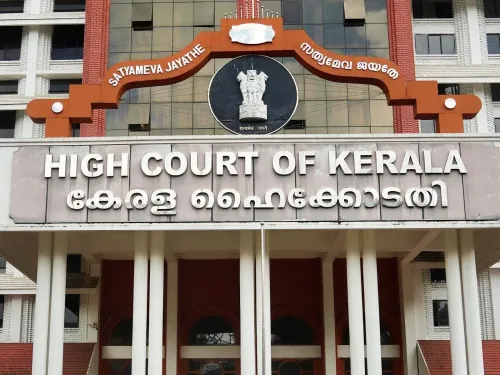
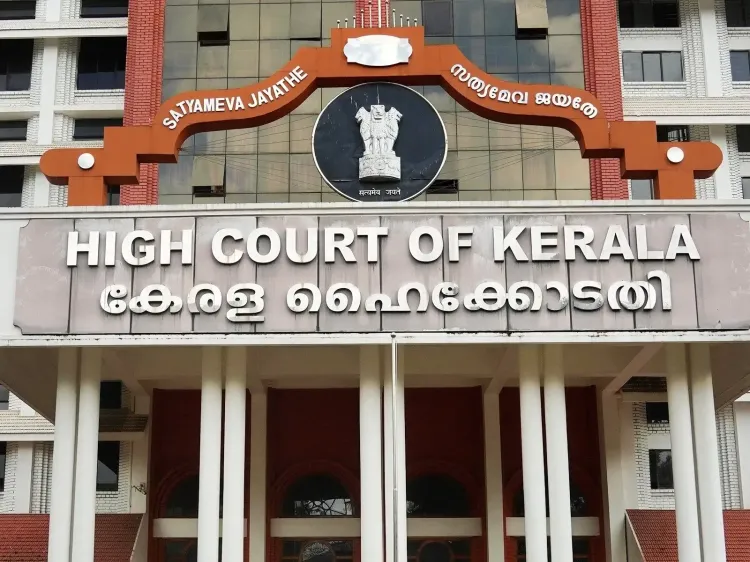
The Kerala High Court on Tuesday, 29 April 2025, initiated suo motu proceedings over widespread violence reported during a statewide shutdown called by Dalit organisations in protest against the death of BDS student Nithin Raj of Kannur Dental College. A division bench of Justice Basant Balaji and Justice P. Krishna Kumar sought a response from the state police chief after noting at least 27 cases registered across Kerala.
What Triggered the Shutdown
The dawn-to-dusk strike was called amid allegations that Nithin Raj, a first-year student at Kannur Dental College, died by suicide following caste-based harassment by faculty members. Protesters demanded a murder investigation, arrest of the accused, ₹10 crore compensation for the family, and cancellation of the college's accreditation. Police have since registered cases against two faculty members under provisions related to abetment of suicide and the SC/ST (Prevention of Atrocities) Act.
Scale of Violence and Arrests
By afternoon on Tuesday, 91 persons had been arrested in connection with clashes, road blockades, and disruptions to public transport. At least 27 cases were registered across the state, with incidents spanning multiple districts. The scale of the unrest prompted the High Court to step in without waiting for a formal petition — a measure that underscores the gravity with which the bench viewed the situation.
Court's Earlier Stand on Hartals
The Kerala High Court's intervention carries particular weight given its earlier orders that effectively banned shutdowns and held organisers liable for losses and violence arising from such protests. By taking up the matter suo motu, the bench has signalled that those earlier directives remain in force and that violations will not go unexamined. The bench directed the State to place detailed reports on record and posted the matter for further hearing on 1 May 2025.
The Broader Hartal Problem
Beyond the immediate trigger, the episode has once again spotlighted Kerala's recurring cycle of hartals that periodically bring the state to a standstill. Critics argue that such coercive shutdowns paralyse daily life, halt public transport, shutter businesses, strand travellers, and disrupt essential services — amounting, in their view, to holding the public to ransom. While proponents frame shutdowns as a legitimate form of political expression, the judiciary has increasingly pushed back, treating organisers as accountable parties rather than protected protesters.
What Happens Next
The case is now before the High Court, with the State required to submit a detailed report. Legal proceedings against the two faculty members under the SC/ST Act and abetment-of-suicide provisions are continuing in parallel. With the judiciary stepping in, the focus shifts to accountability — both for the alleged circumstances leading to Nithin Raj's death and for the violence that unfolded in the name of protest. The 1 May 2025 hearing is expected to set the tone for how far the court intends to press both the state administration and protest organisers.
Point of View
Yet the cycle persists. What makes this episode harder to dismiss is its caste dimension: the alleged harassment of a Dalit student by faculty invokes constitutional protections far weightier than routine protest politics. The real accountability test will come on May 1 — whether the court presses both the state administration for its handling of Nithin Raj's case and the shutdown organisers for the violence that followed will determine if this intervention changes anything or becomes another order honoured in the breach.
NationPress
13 Oct 2026
Frequently Asked Questions
Why did the Kerala High Court take suo motu cognisance of the shutdown violence?
The Kerala High Court initiated suo motu proceedings after reports emerged of widespread violence, road blockades, and transport disruptions during a statewide shutdown, with at least 27 cases registered and 91 persons arrested by Tuesday afternoon. The court, which has previously banned hartals and held organisers liable, stepped in without a formal petition given the scale of unrest.
Who was Nithin Raj and why did his death trigger a shutdown?
Nithin Raj was a first-year BDS student at Kannur Dental College in Kerala who allegedly died by suicide following caste-based harassment by faculty members. Dalit organisations called a dawn-to-dusk statewide shutdown demanding a murder probe, arrest of the accused, ₹10 crore compensation for his family, and cancellation of the college's accreditation.
What action has the police taken so far?
Police have registered cases against two faculty members under provisions related to abetment of suicide and the SC/ST (Prevention of Atrocities) Act. Additionally, 91 persons were arrested in connection with violence and disruptions during the shutdown, with at least 27 cases filed across the state.
What did the Kerala High Court direct the government to do?
The division bench of Justice Basant Balaji and Justice P. Krishna Kumar directed the State to place detailed reports on the violence and police action on record. The matter has been posted for further hearing on 1 May 2025.
What is the Kerala High Court's earlier position on hartals?
The Kerala High Court had previously passed orders effectively banning shutdowns and held organisers liable for losses and violence arising from hartals. The suo motu action in this case signals that those earlier directives remain operative and that the court intends to enforce accountability on protest organisers.