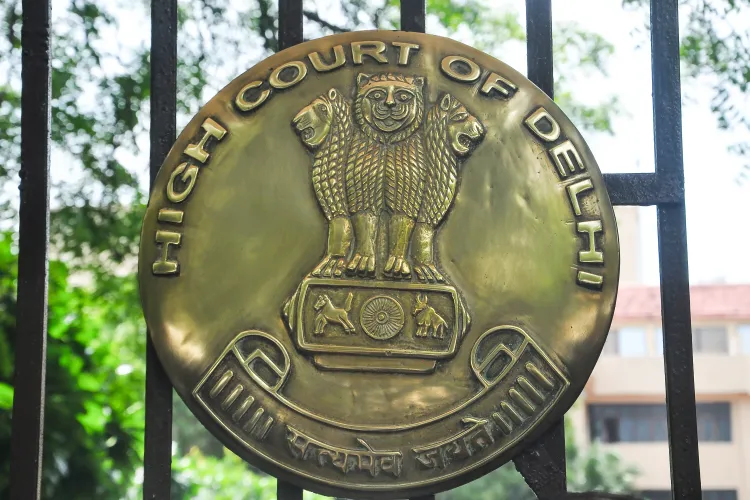
Delhi HC Closes Uttam Nagar Holi Murder Case Plea After Police Vow Protection
Synopsis
The Delhi High Court closed a petition by the family of Tarun Kumar, killed in Uttam Nagar Holi violence, after police confirmed CCTV deployment, dedicated pickets, and removal of 250 plus inflammatory posts. With the NHRC and Supreme Court also involved, this case is becoming a landmark test of institutional accountability in communal violence aftermath.
Key Takeaways
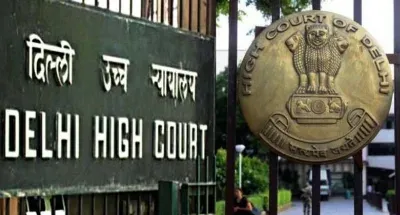
Delhi High Court on April 24, 2025 disposed of the petition filed by Laxmi Devi and others , family of Holi killing victim Tarun Kumar , after police assured protection.
Over 250 inflammatory and provocative social media posts linked to the Uttam Nagar violence have been removed following police action.
A dedicated police picket has been stationed outside the victim's family residence, with CCTV cameras installed across the locality.
The Supreme Court had earlier declined a court-monitored probe, while the NHRC issued notices demanding an impartial investigation and evidence preservation.
Justice Girish Kathpalia directed the concerned SHO to share his personal mobile number with the petitioners for emergency police access.
Threat-related material is being reviewed by an officer of ACP rank , with the case remaining under active institutional scrutiny.
The Delhi High Court on April 24, 2025, disposed of a petition filed by the family of Tarun Kumar, a 26-year-old killed during Holi-related communal violence in Uttam Nagar, West Delhi, after the police assured the court of comprehensive security measures being put in place for the victim's kin and witnesses.
The case has drawn national attention, with multiple judicial bodies including the Supreme Court of India and the National Human Rights Commission (NHRC) separately weighing in on the gravity of the incident.
Court Accepts Police Assurances, Disposes Petition
A single-judge Bench of Justice Girish Kathpalia recorded submissions made by Additional Standing Counsel Sanjeev Bhandari and Additional DCP Niharika Bhatt, confirming that security arrangements around the petitioners' residence had been substantially reinforced.
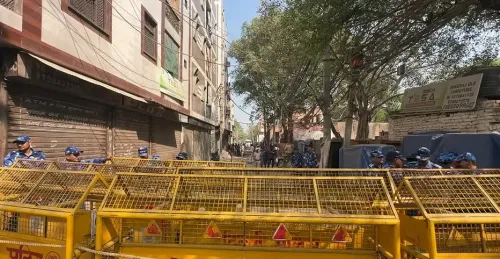
The police informed the court that continuous surveillance is being maintained, personnel have been deployed around the clock, and a dedicated police picket has been stationed directly outside the home of the victim's family.
Justice Kathpalia also directed the concerned Station House Officer (SHO) to share his personal mobile number with the petitioners to ensure immediate access to police assistance in emergencies, a notable judicial gesture underscoring the court's sensitivity to the family's vulnerability.
CCTV Cameras Installed, 250 Plus Inflammatory Posts Removed
Addressing concerns about online incitement, the police told the court that over 250 videos and social media posts deemed inflammatory or provocative had already been removed from various platforms.
The court directed that any further objectionable content flagged by the petitioners must be acted upon promptly by the SHO in accordance with the law, establishing a direct accountability mechanism between the aggrieved family and law enforcement.
CCTV cameras have been installed across the locality, and police pickets have been set up in surrounding residential blocks to monitor communal tensions and prevent recurrence of violence.
The police also confirmed that video footage and other material related to alleged threats issued to the family had been collected and were under examination by an officer of the rank of Assistant Commissioner of Police (ACP).
What Happened: The Holi Violence That Killed Tarun Kumar
The violence erupted during Holi celebrations last month in Uttam Nagar, triggered by what police described as a minor dispute over a water balloon, a flashpoint that rapidly escalated into a confrontation between two groups.
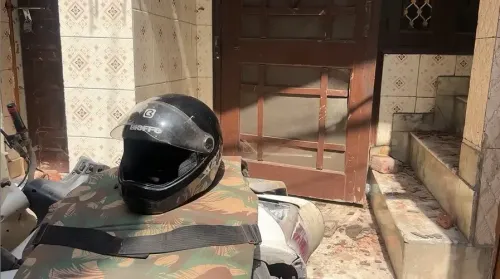
Tarun Kumar, who was returning home at the time, was allegedly intercepted near his residence and brutally assaulted with rods, sticks, bricks, and stones, sustaining fatal injuries. His death sparked outrage across Delhi and prompted multiple legal interventions.
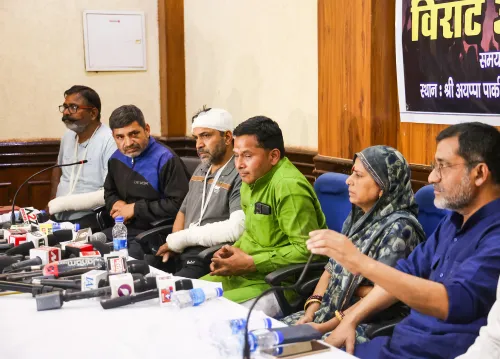
An FIR was registered at Uttam Nagar Police Station, and the petition before the Delhi High Court was filed by Laxmi Devi and others, seeking safety for the family and witnesses, and removal of communally charged content online.
Supreme Court and NHRC Also Weigh In
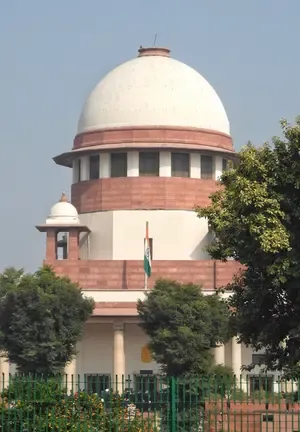
The matter had earlier reached the Supreme Court of India, which declined to entertain a plea seeking a court-monitored probe, instead granting liberty to the petitioner to approach the Delhi Police Commissioner directly.
The apex court remarked that Delhi Police is a professional force, signalling institutional deference to the police machinery while urging petitioners to exhaust administrative remedies first.
Separately, the National Human Rights Commission (NHRC) has taken cognisance of the incident, observing that the allegations, if true, prima facie indicate a violation of human rights. The NHRC has issued notices to authorities directing a thorough and impartial probe, preservation of evidence, and a formal assessment of threat perception to the victim's family.
Broader Implications: Communal Violence and Legal Accountability
The Uttam Nagar incident is not isolated. Delhi has witnessed a pattern of festival-related communal flare-ups over the past several years, often ignited by minor disputes that exploit pre-existing social fault lines. The rapid judicial intervention across three separate forums reflects growing awareness that victim families in such cases face acute intimidation risks in the aftermath of violence.
The NHRC's involvement adds an institutional layer of oversight beyond the courts, signalling that the human rights dimensions of such killings, particularly threats to witnesses and families, are receiving heightened scrutiny at the national level.
Critics argue that while judicial and quasi-judicial bodies have responded swiftly, the ground reality for families like Laxmi Devi's depends entirely on sustained police commitment and whether the assurances made in court translate into long-term protection on the streets of Uttam Nagar.
With the ACP-level review of threat material underway and the NHRC probe ongoing, the coming weeks will be critical in determining whether justice for Tarun Kumar advances meaningfully or stalls under institutional inertia.
Point of View
Victim families are forced to run from court to court simply to secure their physical safety, a right that should never require litigation. The Supreme Court's remark about not demoralising Delhi Police is well-intentioned but risks normalising a culture where institutional trust is assumed rather than earned. The real test is not what was promised in court, but whether a dedicated picket remains outside Laxmi Devi's home six months from now or quietly disappears once the headlines fade. India's justice system must move from reactive protection to proactive accountability.
NationPress
7 Oct 2026
Frequently Asked Questions
What happened in the Uttam Nagar Holi killing case?
26-year-old Tarun Kumar was fatally assaulted with rods, sticks, bricks, and stones near his residence in Uttam Nagar, Delhi, during Holi celebrations after a dispute over a water balloon escalated into group violence. An FIR was registered at Uttam Nagar Police Station and the case triggered legal action across multiple courts.
Why did the Delhi High Court close the petition filed by the victim's family?
The Delhi High Court disposed of the petition after Delhi Police assured the court of comprehensive protective measures including CCTV installation, dedicated police pickets, and removal of over 250 inflammatory social media posts. The petitioners' senior counsel stated they were satisfied with the steps taken.
What role has the NHRC played in the Uttam Nagar Holi violence case?
The National Human Rights Commission took cognisance of the incident, observing that the allegations prima facie indicate a human rights violation. It issued notices to authorities directing a thorough probe, evidence preservation, and threat assessment for the victim's family.
What did the Supreme Court say about the Uttam Nagar Holi killing?
The Supreme Court declined to entertain a plea for a court-monitored probe, remarking that Delhi Police is a professional force. It granted the petitioner liberty to approach the Delhi Police Commissioner instead.
What security measures has Delhi Police put in place for Tarun Kumar's family?
Delhi Police has deployed personnel around the petitioners' residence, installed CCTV cameras across the locality, set up police pickets in surrounding blocks, and stationed a dedicated picket directly outside the victim's family home. Over 250 inflammatory online posts have also been removed.