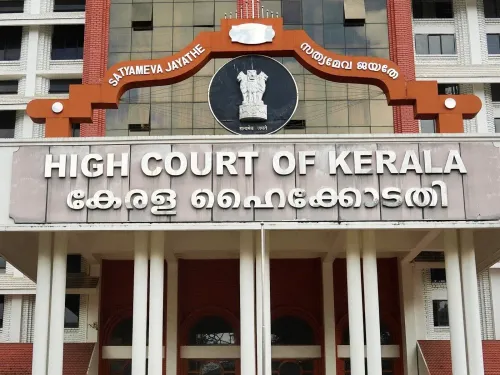
Kerala HC calls for panel on medical college harassment after student suicide

Synopsis
The Kerala High Court didn't just hear a bail plea — it delivered a sweeping indictment of medical college culture across the state. Justice Badharudeen's 'mother-in-law syndrome' framing cuts to the heart of why harassment persists: those who suffered it often become its perpetrators. The call for a state-level committee could force systemic reform where individual cases have failed.
Key Takeaways
The Kerala High Court on 1 June called for a high-level independent committee to probe faculty harassment in Kerala's medical colleges.
Badharudeen said medical colleges are 'very cruelly treating students, even PG students' — calling it a 'very, very serious matter.' The court flagged a 'mother-in-law syndrome' : a cycle where those who suffered harassment perpetuate it once in authority.
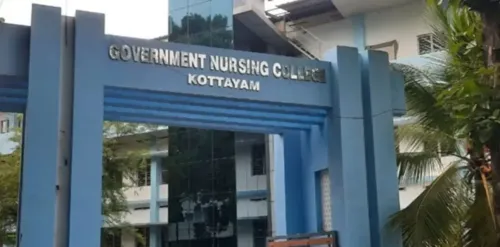
The case arose from an anticipatory bail plea by a dental college professor linked to a student's suicide in Kannur .
The matter is listed before the Kerala High Court again next week .
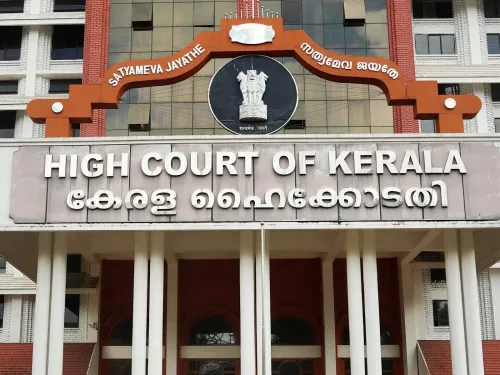
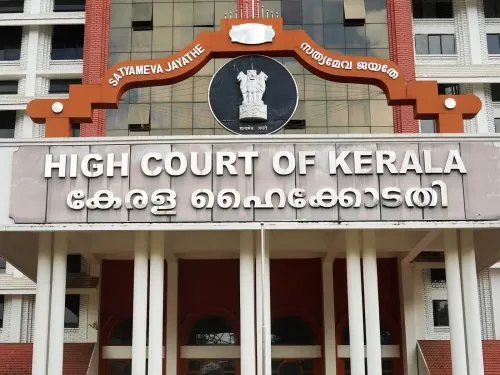
The Kerala High Court on Monday, 1 June called for the constitution of a high-level independent committee to investigate allegations of harassment by faculty members in the state's medical colleges and recommend measures to protect students. The court's intervention came during the hearing of an anticipatory bail plea filed by a dental college professor accused in a case linked to the recent suicide of a student.
What the Court Said
Justice A. Badharudeen delivered sharp observations that went well beyond the facts of the individual bail matter, characterising faculty harassment in professional colleges as a systemic crisis requiring state-level action. 'In Kerala, medical colleges are ruining students. No doubt about it. They are very cruelly treating students, even PG students. Many complaints. It is a very, very serious matter,' the judge said during proceedings.
The court noted that students frequently endure sustained harassment in silence, fearing academic consequences if they challenge teachers or institutional authorities. Justice Badharudeen suggested an independent body be set up to collect confidential feedback from students, assess the scale of the problem, and prescribe remedial steps.
The 'Mother-in-Law Syndrome' Observation
In a particularly pointed remark, the court described what it called a 'mother-in-law syndrome' within professional institutions — a pattern in which individuals who were once subjected to harassment go on to inflict the same treatment on juniors once they attain positions of authority. The court indicated this cycle of institutional behaviour needed to be broken through structural intervention, not just individual prosecutions.
Background: The Kannur Case and Wider Concerns
The court's observations follow renewed attention on student welfare after the death of a dental college student in Kannur earlier this year — a case that triggered widespread debate over alleged caste discrimination, academic harassment, and accountability gaps in higher education. Student organisations and education activists have long demanded independent grievance-redressal mechanisms and stronger oversight of professional colleges, concerns that have gone largely unaddressed at the institutional level.
Notably, this is not an isolated concern: allegations of faculty intimidation and mental health crises among students have been increasingly reported from professional colleges across India, with medical and dental institutions drawing particular scrutiny.
What Happens Next
The Kerala High Court is scheduled to take up the matter again next week. The court's suggestion that the State government constitute a high-level committee now places the onus squarely on the administration to respond. If acted upon, such a committee could mark a significant shift from reactive criminal proceedings to proactive institutional reform in Kerala's higher education sector.
Point of View
Not accidental. Yet a committee recommendation without binding timelines or independent oversight risks becoming another report that gathers dust. Kerala has seen student welfare committees mandated before; the question is enforcement, not intent. The Kannur case should be the catalyst for structural change — but only if the state government responds with more than a committee appointment.
NationPress
15 Oct 2026
Frequently Asked Questions
Why did the Kerala High Court intervene in medical college harassment cases?
The court intervened during the hearing of an anticipatory bail plea filed by a dental college professor accused in a case linked to a student's suicide. Justice A. Badharudeen expanded his observations to address what he described as a systemic pattern of faculty harassment across Kerala's medical colleges, calling it a 'very, very serious matter.'
What did the Kerala High Court recommend?
The court suggested the Kerala state government constitute an independent high-level committee to collect confidential feedback from students, study the extent of harassment in professional colleges, and recommend corrective measures. The committee would be distinct from existing institutional bodies to ensure impartiality.
What is the 'mother-in-law syndrome' mentioned by the court?
Justice Badharudeen used the term to describe a cycle in which individuals who were themselves subjected to harassment in educational institutions go on to perpetuate the same behaviour once they attain positions of authority. The court indicated this cycle needed to be broken through structural reform.
What is the Kannur dental college case?
A dental college student in Kannur died earlier this year in circumstances that sparked public debate over alleged caste discrimination, academic harassment, and accountability within higher educational institutions. The case led to a faculty member filing for anticipatory bail, which prompted the High Court's broader observations.
When will the Kerala High Court hear the matter next?
The case is scheduled to come up before the Kerala High Court again next week, when the court may consider whether the state government has responded to its suggestion of constituting a high-level committee.