Nithin Raj Death: Kerala Hartal Disrupts Life, Students Stranded
Synopsis
A 22-year-old Dalit dental student's alleged caste-driven death brought Kerala to a halt on April 28, with protesters blocking highways, shutting banks, and stranding VITEEE exam candidates — reigniting a decade-old demand for the Rohith Vemula Act and exposing the state's unresolved shutdown paradox.
Key Takeaways
Nithin Raj , a 22-year-old student of Azhikode Dental College, Kannur , died by suicide on April 10 after alleged caste-based harassment by faculty.
A statewide hartal on April 28 , organised by the 'Justice for Nithin Raj Action Council' and Dalit-Adivasi groups, disrupted normal life across Kerala .
Protesters demanded implementation of the Rohith Vemula Act , Rs 10 crore compensation for the family, and cancellation of the college's affiliation.
Students appearing for the VITEEE entrance exam and hospital patients were among those stranded due to highway blockades in Thiruvananthapuram .
Police clashes were reported in Kaniyapuram and Thampanoor ; detentions were made in Neyyattinkara .
Kozhikode remained largely unaffected, while commercial banks in several districts were forced to shut.
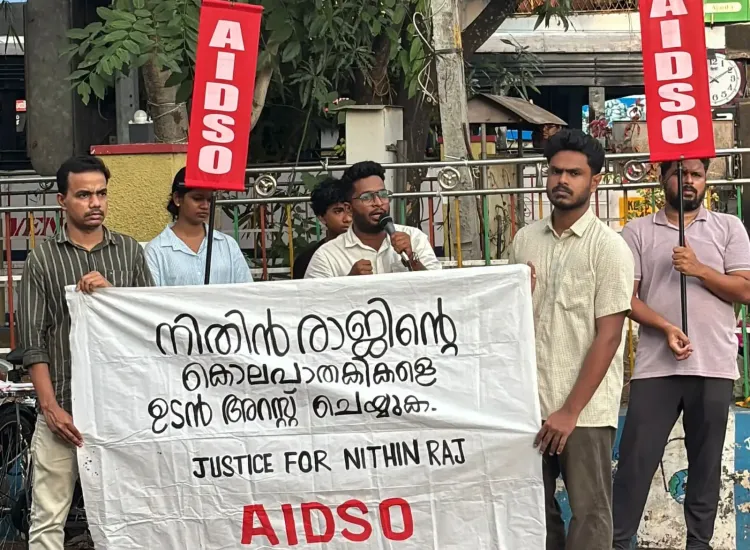
A statewide hartal demanding justice for Nithin Raj, a 22-year-old student of Azhikode Dental College in Kannur, paralysed normal life across Kerala on Tuesday, April 28, triggering traffic chaos, police clashes, and fresh scrutiny of the state's deeply entrenched shutdown culture. The protest, backed by Dalit and Adivasi organisations, came nearly three weeks after Raj's death by suicide on April 10, which his family attributes to caste-based harassment by college faculty.
Background: Who Was Nithin Raj and What Happened
Nithin Raj died after jumping from a building on the campus of Azhikode Dental College on April 10. He was 22 years old. His family and close friends have alleged that faculty members subjected him to sustained caste-based discrimination and psychological harassment in the period leading up to his death.
The case has drawn comparisons to the 2016 death of Rohith Vemula, a Dalit research scholar at the University of Hyderabad, whose institutionalised discrimination triggered a nationwide movement. This is not the first time a Dalit student's death at a professional college has galvanised protests in Kerala, but the scale of Tuesday's hartal underscores the depth of anger within Dalit and Adivasi communities in the state.
Key Demands Raised by Protesters
The hartal was organised by the 'Justice for Nithin Raj Action Council', in coordination with several Dalit and Adivasi outfits. Protesters raised three core demands: implementation of the Rohith Vemula Act, a compensation of Rs 10 crore for the victim's family, and the cancellation of Azhikode Dental College's affiliation.
Notably, the demand for a Rohith Vemula Act — a legislation that would criminalise institutional caste discrimination — has been pending at the national level for nearly a decade, with successive governments failing to act on it. Critics argue that Tuesday's protest is as much about systemic impunity as it is about one student's death.
Ground Situation: Traffic Chaos, Clashes, and Stranded Students
The hartal, which commenced at 6 a.m., caused near-total disruption along the national highway stretch from Kazhakkoottam to Kaniyapuram in Thiruvananthapuram, one of the worst-affected districts. Activists blocked vehicles, bringing traffic to a standstill.
Among those stranded were students appearing for the VIT Engineering Entrance Examination (VITEEE), who were required to report at exam centres by 9 a.m. Several candidates reportedly risked missing the high-stakes test. Patients attempting to reach hospitals also faced severe delays.
Clashes broke out between police and hartal supporters in Kaniyapuram as authorities moved to clear blockades. In Thampanoor, arguments erupted when police attempted to allow KSRTC buses to resume services. In Neyyattinkara, individuals blocking buses were detained. Vehicle blockades were also reported in Adoor, Nedumangad, Idukki, and Pazhayangadi in Kannur.
Commercial banks in several locations were reportedly forced to shut their shutters. While private vehicles were gradually allowed through following police intervention, buses remained largely off the roads across multiple districts. Two-wheelers were permitted in many areas. In a notable instance, Thiruvananthapuram police transported a woman requiring urgent medical care to a hospital in a police vehicle after she was unable to proceed through the blockade.
Kozhikode district remained relatively unaffected, with private and city buses continuing services and no major incidents reported.
The Hartal Paradox: Kerala's Enduring Political Culture
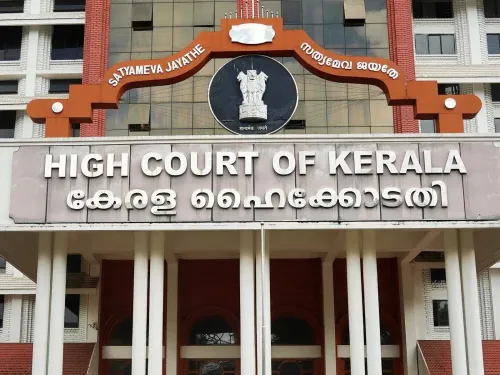
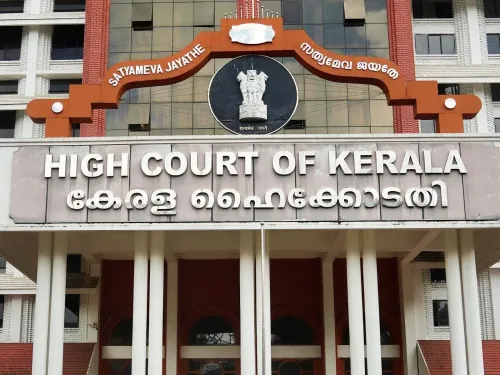
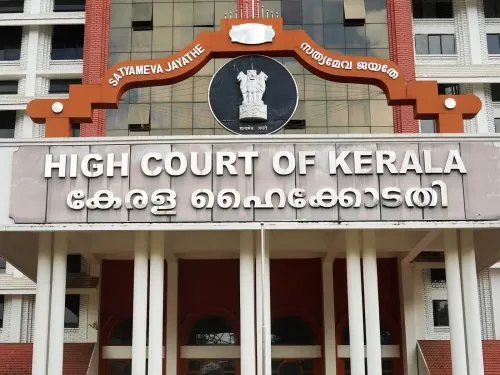
This comes amid repeated and stern observations by the Kerala High Court against disruptive hartals, which the court has consistently held to be illegal when enforced coercively. Despite judicial censure, shutdowns continue to paralyse public life in the state with striking regularity, disproportionately impacting daily wage earners, students, and patients.
Traders' bodies had announced non-cooperation with the hartal, but enforcement on the ground remained uneven, with some commercial establishments shutting under pressure while others stayed open in select areas. The episode once again exposes the contradiction at the heart of Kerala's protest politics — a state that prides itself on civic consciousness yet tolerates a culture that routinely strips ordinary citizens of mobility and livelihood.
As investigations into Nithin Raj's death continue, pressure is mounting on both the college management and state authorities to act decisively — and on the broader political establishment to finally legislate against institutional caste discrimination.
Point of View
Suggesting the mainstream Left has once again been caught flat-footed on caste. The hartal, however justified in its grief, also illustrates Kerala's inability to protest without punishing its most vulnerable citizens — daily wage earners, exam students, and hospital patients — a contradiction the state's political class has never had the courage to honestly confront.
NationPress
24 Sept 2026
Frequently Asked Questions
Who was Nithin Raj and how did he die?
Nithin Raj was a 22-year-old student at Azhikode Dental College in Kannur, Kerala, who died by suicide on April 10, 2025, after jumping from a college building. His family and friends have alleged he was subjected to persistent caste-based discrimination and harassment by faculty members prior to his death.
Why was a hartal called in Kerala on April 28?
The hartal was called by the 'Justice for Nithin Raj Action Council' along with Dalit and Adivasi organisations to demand justice for Nithin Raj. Key demands included the implementation of the Rohith Vemula Act, Rs 10 crore compensation for the victim's family, and cancellation of Azhikode Dental College's affiliation.
How did the Kerala hartal affect students and patients?
Students appearing for the VIT Engineering Entrance Examination (VITEEE) were among those stranded, with many at risk of missing their exams as centres required reporting by 9 a.m. Patients heading to hospitals also faced severe delays, though Thiruvananthapuram police assisted at least one woman in urgent need of medical care.
What is the Rohith Vemula Act and why is it being demanded?
The Rohith Vemula Act refers to proposed legislation that would criminalise institutional caste discrimination in educational institutions, named after Dalit scholar Rohith Vemula who died by suicide in 2016 at the University of Hyderabad. The act has been demanded by Dalit rights groups for nearly a decade but has not been enacted by any government at the national level.
Which areas were most affected by the Kerala hartal on April 28?
Thiruvananthapuram was one of the worst-affected districts, with blockades along the national highway from Kazhakkoottam to Kaniyapuram. Clashes were reported in Kaniyapuram and Thampanoor, while blockades also occurred in Adoor, Nedumangad, Idukki, and Pazhayangadi in Kannur. Kozhikode district remained relatively unaffected.