SC directs EC to probe bulk Form 7 deletions in UP electoral rolls

Synopsis
India's Supreme Court has stepped in to scrutinise mass Form 7 applications in Uttar Pradesh that allegedly targeted specific community voters for deletion from electoral rolls. With the ECI ordered to file an action-taken report and comparisons drawn to FIR-level action in Telangana and Karnataka, the case raises fundamental questions about the integrity of voter roll management in India's largest state ahead of future elections.
Key Takeaways
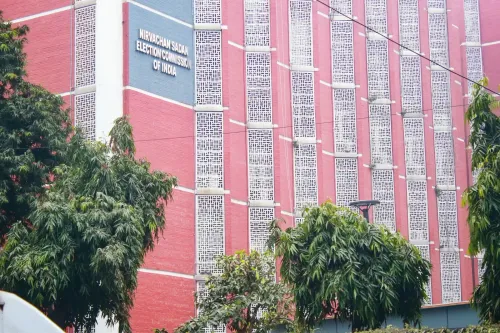
The Supreme Court on 30 October 2026 directed the ECI to examine bulk Form 7 deletion complaints in Uttar Pradesh .
Petitioners alleged applications were filed to remove voters of a specific community; the court ordered an action-taken report .
The ECI told the court that irregularities were caught during scrutiny and no voter's name was deleted on the basis of flagged forms.
Earlier claims that 85,854 Form 7 applications were auto-generated by ERONET software were rejected by the UP Chief Electoral Officer's office .
In Telangana and Karnataka , similar cases led to FIR registrations — a precedent petitioners say should apply in UP as well.
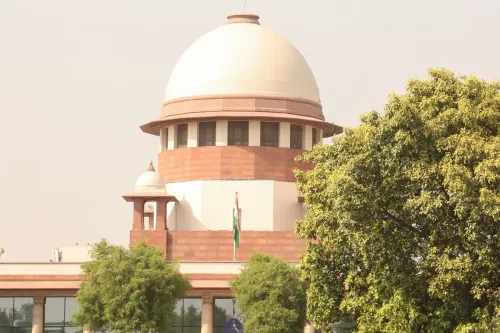
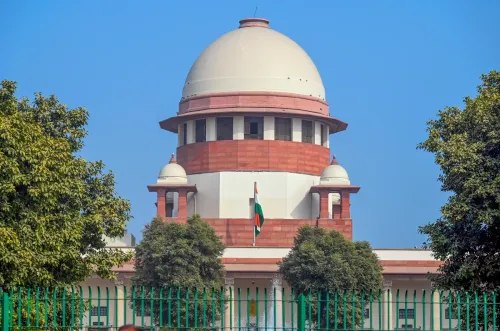
The Supreme Court of India on Friday, 30 October 2026, directed the Election Commission of India (ECI) to examine allegations of irregularities in the mass submission of Form 7 applications — which seek deletion of voters' names from electoral rolls — in Uttar Pradesh during the ongoing Special Intensive Revision (SIR) exercise. The order was passed by a bench comprising Chief Justice of India (CJI) Surya Kant and Justices Joymalya Bagchi and V. Mohana.
What the Supreme Court Ordered
The bench directed petitioners to furnish specific details of cases where alleged irregularities had not been addressed. The ECI was simultaneously directed to examine the complaints, take necessary corrective measures, and submit a formal action-taken report to the court. The court observed that wherever irregularities were established on the basis of relevant material, the poll panel must take appropriate action.
What the Petitioners Alleged
Petitioners before the court alleged that a large number of Form 7 applications were submitted in Uttar Pradesh with the alleged intent of removing voters belonging to a particular community from the electoral rolls. They drew parallels with similar proceedings in Telangana and Karnataka, where courts had reportedly directed the registration of FIRs in comparable cases. The petitioners argued that the absence of equivalent action in Uttar Pradesh had, in their view, emboldened those responsible for filing such applications.
What the Election Commission Said
Senior advocate Dama Seshadri Naidu, appearing for the ECI, submitted that while a large volume of Form 7 applications had indeed been received, scrutiny by authorities had already flagged irregularities and confirmed that no voter's name was deleted on the basis of such forms. He submitted that complaints had been examined through checks and cross-verification, following which certain allegations were found to be false. He further indicated that wherever allegations were supported by material evidence, parties could lodge formal complaints for the commission to examine and act upon.
Background: The ERONET Controversy
The proceedings follow an earlier controversy in which the office of Uttar Pradesh's Chief Electoral Officer rejected claims that 85,854 Form 7 applications were automatically generated by the ECI's own ERONET software without specifying reasons for deletion. The CEO's office maintained that notices, hearings, scrutiny, and recorded orders preceded any deletion action, and dismissed the allegations as misleading. Notably, this is not the first time the SIR exercise has come under judicial scrutiny, reflecting persistent concerns about the integrity of electoral roll revisions in large states.
What Happens Next
The Supreme Court has kept the matter pending, awaiting the ECI's action-taken report. The case is significant given Uttar Pradesh's status as India's most populous state and its outsized influence on national electoral outcomes. Any established irregularity in voter roll management could have direct implications for upcoming assembly and parliamentary elections in the state.
Point of View
Yet enforcement responses remain uneven across states. The ECI's assurance that no names were actually deleted is important, but it sidesteps the equally serious question of who filed thousands of allegedly fraudulent applications and whether any deterrent action has been taken. The contrast with Telangana and Karnataka — where FIRs were registered — is a credibility gap the commission will need to address in its action-taken report. In a state as electorally decisive as Uttar Pradesh, the perception of systemic manipulation, left unresolved, is itself a democratic harm.
NationPress
30 Oct 2026
Frequently Asked Questions
What is the Supreme Court case about Form 7 deletions in Uttar Pradesh?
The Supreme Court is examining allegations that a large number of Form 7 applications — which seek deletion of names from electoral rolls — were submitted in Uttar Pradesh during the Special Intensive Revision exercise with the alleged intent of removing voters from a specific community. The court on 30 October 2026 directed the ECI to examine complaints and submit an action-taken report.
Were any voters actually removed from Uttar Pradesh's electoral rolls?
No. Senior advocate Dama Seshadri Naidu, appearing for the ECI, told the Supreme Court that scrutiny of the bulk Form 7 applications revealed irregularities and that no voter's name was deleted on the basis of such forms.
What is the ERONET controversy linked to this case?
Claims had surfaced that 85,854 Form 7 applications in Uttar Pradesh were automatically generated by the ECI's ERONET software without specifying reasons for deletion. The Uttar Pradesh Chief Electoral Officer's office rejected these claims, maintaining that proper notices, hearings, and scrutiny preceded any deletion action.
How does the UP case compare to similar cases in Telangana and Karnataka?
In Telangana and Karnataka, courts directed the registration of FIRs in cases involving similar allegations of bulk Form 7 irregularities. Petitioners in the Supreme Court argued that the absence of comparable action in Uttar Pradesh has emboldened those responsible for filing the disputed applications.
What happens next in the Supreme Court proceedings?
The court has directed petitioners to furnish specific details of unaddressed complaints and asked the ECI to examine them, take corrective measures, and file an action-taken report. The matter remains pending before the bench of CJI Surya Kant, Justice Joymalya Bagchi, and Justice V. Mohana.