SC directs UP to release 106 under-trials granted bail but stuck in jail
Synopsis
The Supreme Court has found that 264 bail-granted under-trial prisoners in just 20 of Uttar Pradesh's 75 districts were still in jail — purely because they could not afford sureties. With 106 yet to be released and the audit incomplete, the bench has now cast the net across all 75 districts, making the state — not the prisoner — responsible for getting them out.
Key Takeaways
The Supreme Court directed Uttar Pradesh to identify and release all under-trial prisoners granted bail but still in custody due to inability to fulfil surety conditions.
264 under-trial prisoners across 20 UP districts had bail but remained jailed; 158 have since been released, with 106 still awaiting action.
The court held that DLSA assistance cannot be denied to prisoners who have engaged private lawyers — no differentiation is permissible.
Directions were extended to cover all 75 districts of Uttar Pradesh, not just the initial 20.
Trial courts were asked to modify bail conditions wherever necessary to facilitate release.
The next hearing is scheduled for 20 January 2027 .
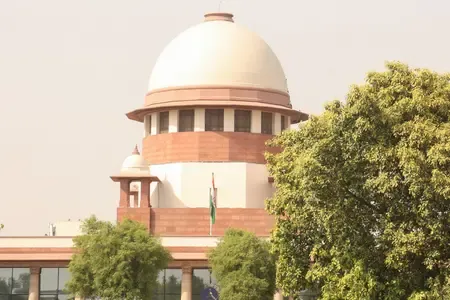
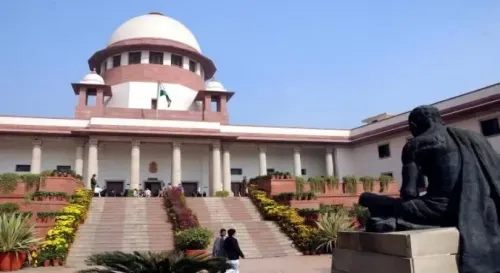
The Supreme Court of India has directed the Uttar Pradesh government to identify and facilitate the release of under-trial prisoners who have been granted bail but remain in custody because they cannot meet bail conditions, including furnishing sureties. The order, issued on 6 November 2026, covers all 75 districts of Uttar Pradesh and applies regardless of whether a prisoner is represented by a legal aid authority or a private lawyer.
What the Court Was Told
A Bench comprising Justice M.M. Sundresh and Justice Prasanna B. Varale, hearing the suo motu case titled 'In Re: Policy Strategy for Grant of Bail', was informed that 264 under-trial prisoners across 20 districts of Uttar Pradesh had secured bail but could not walk free for want of sureties and compliance with other trial court conditions. The Uttar Pradesh government told the court that 158 of those prisoners had already been released, while a decision was yet to be taken on the remaining 106.
Key Directions from the Supreme Court
The Bench directed the state government to carry out the identification exercise in consultation with the respective District Legal Services Authorities (DLSAs) and extend assistance to all eligible prisoners still behind bars. Crucially, the court clarified that legal assistance cannot be restricted to prisoners represented by the DLSAs.
'There cannot be any differentiation between the under-trial prisoners who have the assistance of the District Legal Services Authority and those who have engaged private counsel,' the Bench observed. It further noted that 'litigation cannot be adversarial in that sense,' and that the mere fact of engaging a private lawyer cannot be a basis to deny DLSA assistance.
'The onus lies on the state to make sure that these persons are released from custody,' the apex court stated.
Scope Extended to All 75 Districts
During the hearing, the court was informed that the figures of 264 prisoners covered only 20 of the 75 districts in Uttar Pradesh, and that a similar audit was required across the remaining 55 districts. The state government assured the court that necessary steps would be taken within a reasonable time. The Supreme Court's directions were made applicable to all 75 districts, ensuring no district is excluded from the exercise.
Role of Trial Courts
The Supreme Court also requested trial courts to take up cases flagged by the DLSAs and suitably modify bail conditions wherever necessary to enable release. This direction is significant because overly stringent surety requirements are widely recognised as a barrier that disproportionately affects poor and marginalised under-trial prisoners, who make up a large share of India's prison population.
What Happens Next
The matter has been posted for further hearing on 20 January 2027. The Uttar Pradesh government is expected to submit a compliance report covering progress across all 75 districts. This case is part of the Supreme Court's broader suo motu scrutiny of bail policy in India, which has repeatedly highlighted the structural inequities that keep low-income under-trials imprisoned long after courts have ordered their release.
Point of View
The bench has closed a loophole that states have quietly exploited to narrow the scope of legal aid. If compliance reporting is rigorous when the case returns in January 2027, this suo motu exercise could become a template for every overcrowded state prison in India.
NationPress
6 Nov 2026
Frequently Asked Questions
Why are bail-granted under-trial prisoners still in jail in Uttar Pradesh?
They remain in custody because they cannot afford to fulfil bail conditions, primarily furnishing sureties — financial guarantors required by trial courts. The Supreme Court on 6 November 2026 directed the UP government to assist such prisoners in meeting these conditions and secure their release.
How many under-trial prisoners are affected in Uttar Pradesh?
At least 264 under-trial prisoners across 20 districts of Uttar Pradesh had been granted bail but were still in jail as of the hearing date. Of these, 158 have been released; 106 remain in custody. The figures cover only 20 of the state's 75 districts, so the actual number could be significantly higher.
What is the Supreme Court's suo motu case on bail policy?
The case, titled 'In Re: Policy Strategy for Grant of Bail', is a suo motu proceeding initiated by the Supreme Court to examine systemic issues in India's bail framework, including the barriers that keep under-trial prisoners — especially poor ones — in jail despite court orders granting them bail.
Can a prisoner with a private lawyer get help from the District Legal Services Authority?
Yes, according to the Supreme Court's 6 November 2026 order. The court explicitly ruled that DLSA assistance cannot be restricted to prisoners represented by legal aid authorities and must extend to those with private counsel. The bench stated there 'cannot be any differentiation' between the two categories.
When will the Supreme Court next hear this matter?
The case has been listed for further hearing on 20 January 2027, by which time the Uttar Pradesh government is expected to report on compliance across all 75 districts of the state.