Amit Shah eliminates Naxalism ahead of 2026 deadline, BJP MP cites development gains
Synopsis
Home Minister Amit Shah has declared Naxalism eliminated across India — ahead of the government's own March 2026 deadline. With a coordinated offensive launched in December 2023 and tribal regions in Chhattisgarh, Jharkhand, and Bihar now reportedly on a development path, this is the Centre's boldest internal security claim in years. Independent verification remains the critical next step.
Key Takeaways
Union Home Minister Amit Shah declared Naxalism eliminated across India, ahead of the government's 31 March 2026 deadline.
Shah made the announcement in Jagdalpur, Chhattisgarh , crediting security forces for sustained counter-insurgency operations.
The renewed anti-Naxal offensive was launched on 13 December 2023 , following the BJP's return to power in Chhattisgarh.
A coordinated inter-state strategy was formalised on 24 August 2024 to eradicate Naxalism by March 2026.
BJP MP Manan Kumar Mishra said healthcare and education access has improved in tribal areas of Chhattisgarh , Jharkhand , and Bihar .
Mishra also cited India's relative fuel price stability as a government achievement amid global energy pressures.
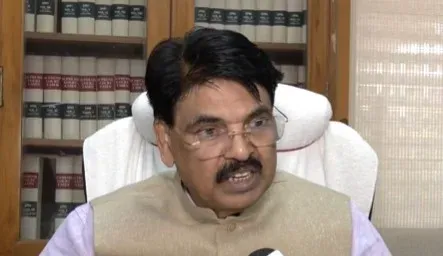
Bharatiya Janata Party (BJP) MP Manan Kumar Mishra on Wednesday, 20 May credited Union Home Minister Amit Shah with delivering major gains against Naxalism and restoring normalcy to tribal regions long paralysed by left-wing extremism. His remarks came a day after Shah declared that Naxalism has been eliminated across India — ahead of the government's self-imposed deadline of 31 March 2026.
Shah's declaration in Jagdalpur
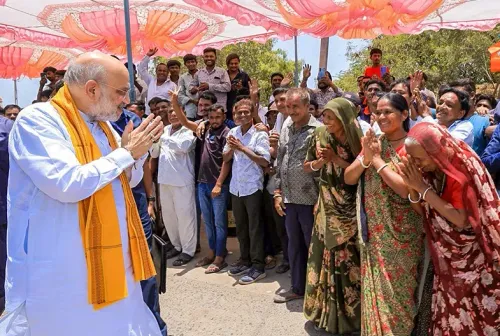
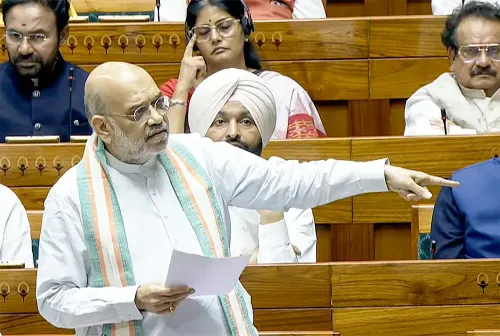
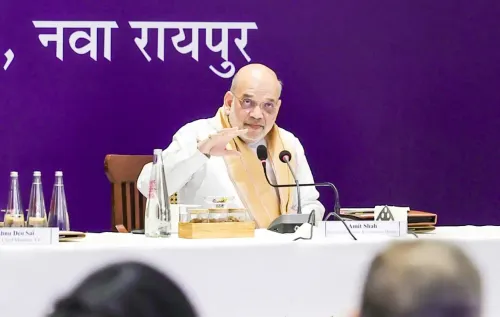
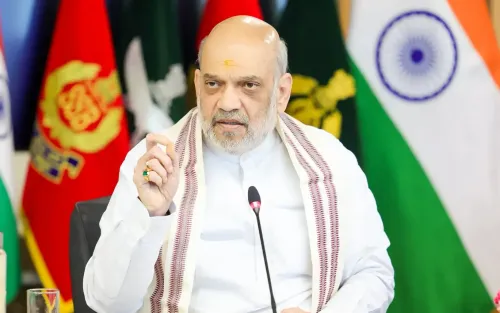
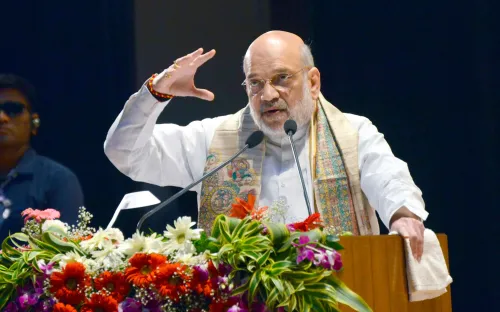
Speaking in Jagdalpur, Chhattisgarh, Home Minister Amit Shah said that Naxalism had been effectively eliminated nationwide, crediting security forces for sustained counter-insurgency operations. He described the outcome as a landmark achievement in India's internal security history. Shah identified 13 December 2023 — shortly after the BJP returned to power in Chhattisgarh — as the launch point of a sharpened offensive. A coordinated inter-state strategy was formalised on 24 August 2024, when leadership across affected states aligned on a plan to eradicate Naxalism by March 2026.
BJP MP on development in tribal areas
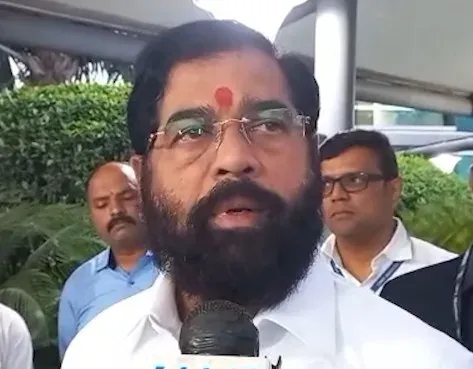
Mishra argued that Naxalism had not merely been a law-and-order problem but a structural barrier to development. 'Naxalism was hollowing out the country. It was a very serious problem. Some of our states, including parts of Chhattisgarh, Jharkhand, and Bihar, were heading towards destruction. There was no development or progress in many tribal areas,' he said. He further alleged that the Indian National Congress (Congress) had 'continuously encouraged this problem instead of working for their betterment' — a charge the Congress has not publicly responded to as of this report.
Mishra said conditions on the ground have shifted substantially. 'Under the leadership of our Home Minister Amit Shah, these affected areas are now on the path of development. Better healthcare and education facilities are being made available, and people are now living normal and peaceful lives,' he added.
India's fuel price stability amid global pressures
Mishra also addressed the global fuel price surge, framing India's relatively stable domestic prices as a policy achievement. 'This crisis is a global problem affecting the entire world. In such a situation, the Government of India and Prime Minister Narendra Modi are doing as much as possible,' he said. He noted that while many countries have seen sharp fuel price increases, India has remained comparatively stable, and urged citizens to conserve fuel and reduce unnecessary consumption.
Significance and what comes next
The government's claim of eliminating Naxalism ahead of its own deadline marks a significant political milestone, particularly for Chhattisgarh — historically the worst-affected state. Independent verification of the claim and assessments from civil society groups working in tribal areas are awaited. Notably, analysts have previously cautioned that declaring victory over insurgencies prematurely can lead to reduced vigilance. The coming months will test whether the security gains translate into durable development outcomes for tribal communities in the affected regions.
Point of View
Not an independently verified one. Past counter-insurgency campaigns in India have seen premature victory declarations followed by resurgences, particularly when development follow-through lagged security gains. The real measure will be whether tribal communities in Chhattisgarh, Jharkhand, and Bihar see sustained improvements in healthcare, education, and economic opportunity — not just reduced violence statistics. The Congress has been put on the back foot, but without a credible third-party audit of both security and development claims, the narrative remains largely the government's own.
NationPress
25 Sept 2026
Frequently Asked Questions
Has Naxalism been fully eliminated in India?
Home Minister Amit Shah declared on Tuesday that Naxalism has been eliminated across India, ahead of the government's 31 March 2026 deadline. The announcement was made in Jagdalpur, Chhattisgarh, and credited security forces for sustained counter-insurgency operations. Independent verification of this claim is yet to be publicly established.
When did the government's anti-Naxal offensive begin?
The sharpened offensive was launched on 13 December 2023, shortly after the BJP returned to power in Chhattisgarh. A coordinated inter-state strategy was formalised on 24 August 2024, aligning leadership across affected states on a plan to eradicate Naxalism by March 2026.
Which states were most affected by Naxalism?
According to BJP MP Manan Kumar Mishra, parts of Chhattisgarh, Jharkhand, and Bihar were among the worst-affected states, with tribal areas in these regions experiencing stalled development and lack of basic services for years.
What development changes are being reported in former Naxal-affected areas?
Mishra said that under Home Minister Amit Shah's leadership, affected areas are now receiving improved healthcare and education facilities, and residents are reportedly living more normal and peaceful lives. These claims have not yet been independently verified.
What did the BJP MP say about India's fuel prices?
BJP MP Manan Kumar Mishra said that while rising fuel costs are a global problem, India has remained relatively stable compared to many other countries. He attributed this to the efforts of Prime Minister Narendra Modi's government and urged citizens to conserve fuel.