Amit Shah demands answers from Bhagwant Mann on Punjab law-and-order
Synopsis
Union Home Minister Amit Shah has attacked CM Bhagwant Mann over Punjab's drug and gangster crisis, citing the daylight murder of anti-drug activist Parvinder Singh Jhota in Mansa and a Dirba poisoning case, and announcing a formal Home Ministry notice to the Punjab government.
Key Takeaways
Amit Shah publicly attacked CM Bhagwant Mann over Punjab's deteriorating law-and-order situation on October 16, 2026 .
Anti-drug activist Parvinder Singh Jhota of Mansa district was murdered in broad daylight; his father has levelled allegations against the AAP government and a local MLA.
A separate incident in Dirba involves a father allegedly driven to consume poison under pressure.
The Union Home Ministry will formally seek a report from the Punjab government on both incidents.
Shah demanded 'answers, not propaganda; results, not announcements' from the AAP government, directly referencing its unfulfilled 2022 anti-drug election promises.
Shah reiterated a BJP pledge to build a drug-free, gangster-free Punjab if the party comes to power in the state.
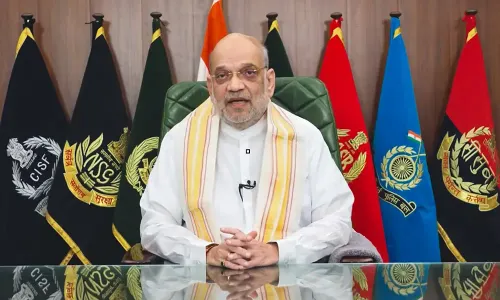
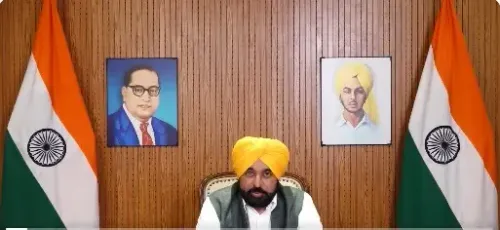
A daylight murder, a father driven to poison himself under pressure, and a state that once promised to end the drug menace in weeks — Union Home Minister Amit Shah turned that gap into a direct political challenge on Friday, October 16, 2026, targeting Punjab Chief Minister Bhagwant Mann over what he called a collapsing law-and-order situation in the state.
The two incidents that cracked Punjab's image open
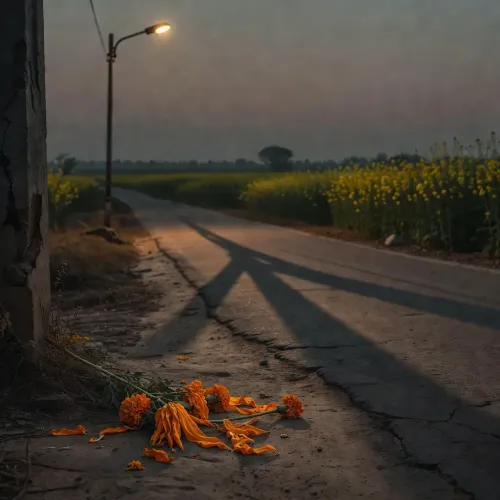
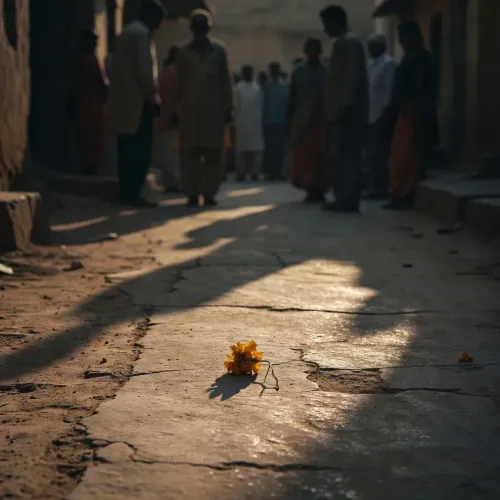
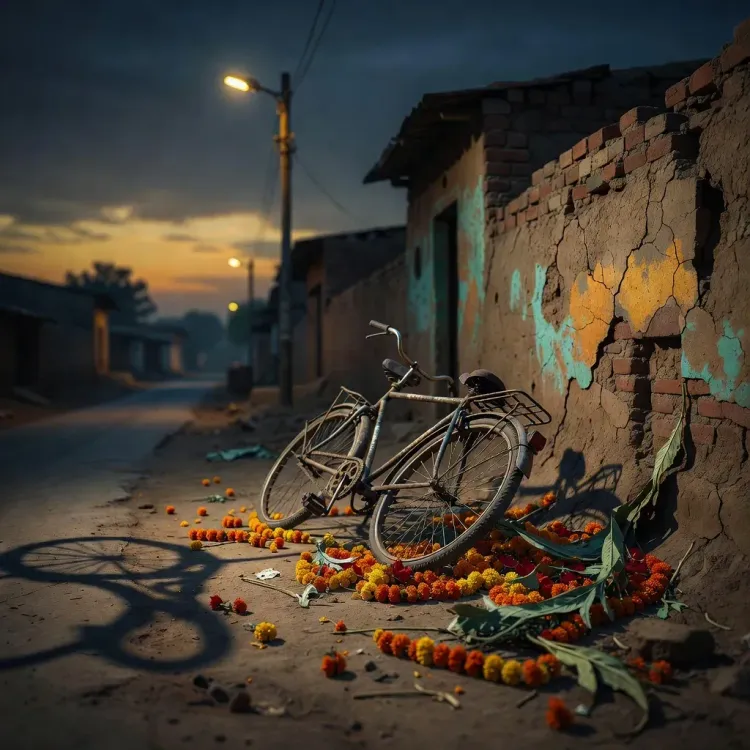
Shah's post anchors on two specific episodes. In Dirba, a father allegedly consumed poison under pressure — the post does not give his name, but the implication of institutional failure is stark. In Mansa district, Parvinder Singh Jhota, an anti-drug activist who had raised his voice against the narcotics trade, was killed in broad daylight. His father has since levelled serious allegations against the Aam Aadmi Party government and, specifically, against an AAP legislator.
Shah quotes these two cases not as isolated tragedies but as symptoms of a systemic failure. His translated Punjabi is unsparing: 'Bhagwant Mann ji, Punjab di janta nu parchar nahin, jawaab chahida hai' — 'Bhagwant Mann ji, the people of Punjab need answers, not propaganda; results, not announcements.'
Home Ministry to seek a formal report from Punjab
The most consequential line in the post is institutional, not rhetorical. Shah announces that the Union Home Ministry will formally seek a response from the Punjab government on both incidents. That step converts political criticism into an official accountability mechanism — the Centre compelling a state to explain itself in writing on an internal security matter.
This is a well-worn instrument in Centre-state relations. Successive central governments have used the Home Ministry's advisory powers to seek reports from opposition-ruled states on law-and-order deterioration. The political weight, however, lands harder when the Union Home Minister himself announces the move publicly.
A 2022 election promise versus a 2026 reality
The subtext here is the AAP's 2022 Punjab election mandate. The party swept to power on an explicit platform of eradicating the drug menace — some leaders had promised results within weeks. Four-plus years later, Shah's post is designed to hold that promise up against the current ground reality: a growing narcotics trade, expanding gangster networks, and anti-drug voices being silenced by violence.
Drug trafficking and organised crime have haunted Punjab across multiple governments since the 2010s, making them a recurring flashpoint in national politics. But the BJP has consistently used the issue to sharpen its attack on AAP — first in Delhi, now repeatedly in Punjab — framing the ruling party's record as a betrayal of its own anti-drug brand.
Shah's pledge for a BJP Punjab
Shah closes by restating a BJP electoral commitment: if the party forms a government in Punjab, it will work with 'full force' to build a nashamukht, gangsatarmukht ate surakshit Punjab — 'a Punjab free of drugs, free of gangsters, and safe for its people.' The goal, he writes, is a rule of law where no citizen is forced to live under the shadow of fear.
The next test is whether the Home Ministry's formal notice to Chandigarh produces a substantive state response — and whether the investigations into the Mansa murder and the Dirba case yield accountability before the next election cycle.
Point of View
He simultaneously frames the BJP as the institutional enforcer and the future solution. The timing is calibrated: Punjab assembly elections will be due by early 2027, and the AAP's original anti-drug identity is its most exposed flank. The murder of an anti-drug activist is a particularly potent symbol — it inverts the AAP's own founding narrative of protecting citizens who speak truth to power. Whether the Home Ministry notice produces substantive accountability or remains largely performative will determine how durable this line of attack proves.
NationPress
16 Oct 2026
Frequently Asked Questions
Who is Parvinder Singh Jhota and why was he killed?
Parvinder Singh Jhota was an anti-drug activist from Mansa district in Punjab who had been speaking out against the narcotics trade. He was killed in a daylight attack. His father has accused the AAP government and a local legislator of involvement or negligence.
What has Amit Shah demanded from the Punjab government?
Amit Shah has demanded answers on rising drug networks, gangster violence, and the protection of citizens who speak against crime. He also announced that the Union Home Ministry will formally seek a report from the Punjab government on the Mansa murder and the Dirba poisoning incident.
What is the Dirba incident mentioned by Amit Shah?
In Dirba , a father allegedly consumed poison under pressure in circumstances that Shah links to broader failures of law enforcement and public safety in Punjab. Specific details remain under investigation.
What did AAP promise on drugs when it won Punjab in 2022?
The Aam Aadmi Party won the 2022 Punjab assembly elections on an explicit platform of eradicating the drug menace and rooting out organised crime, with some leaders promising visible results within weeks of forming the government.
Can the Union Home Ministry issue notices to a state government on law and order?
Yes. The Union Home Ministry has the constitutional authority to seek reports and issue advisories to state governments on internal security and law-and-order matters. Successive central governments have exercised this power over opposition-ruled states.