Shekhawat Backs Clay Ganesh Idols, Cites Mann Ki Baat

Synopsis
Union Culture Minister Gajendra Singh Shekhawat has called on Indians to install clay Ganesha idols this Ganesh Chaturthi, describing it as worship of nature. The appeal, tagged to Mann Ki Baat, aligns with sustained official messaging on eco-friendly festivals and support for traditional potters.
Key Takeaways
Gajendra Singh Shekhawat , Union Minister of Culture and Tourism, posted the appeal on 26 July 2026 .
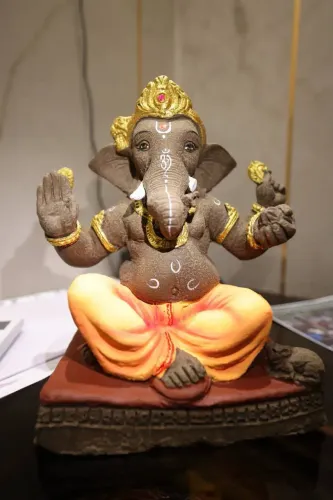
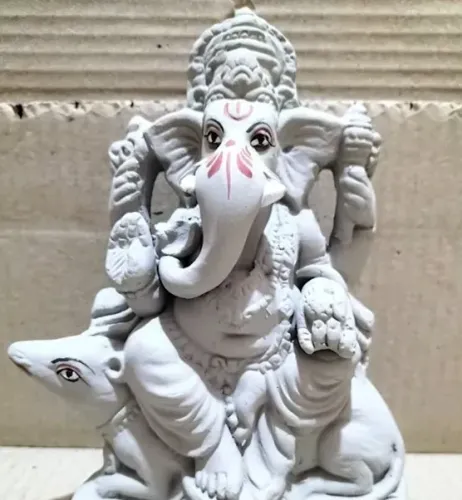
He urged citizens to install idols made from Indian soil (clay) during Ganesh Chaturthi , calling it a form of worship of nature.
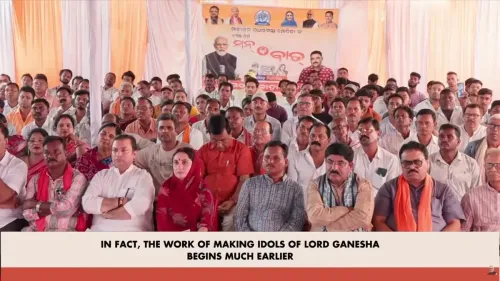
The post was tagged #MannKiBaat , linking it to Prime Minister Narendra Modi's monthly radio programme launched in October 2014 .
The appeal supports traditional potters whose livelihoods are threatened by synthetic idol production.
Clay idols are water-soluble and reduce chemical pollution in rivers and lakes during immersion.
Central and state governments have run parallel drives on eco-friendly festival practices for several years.
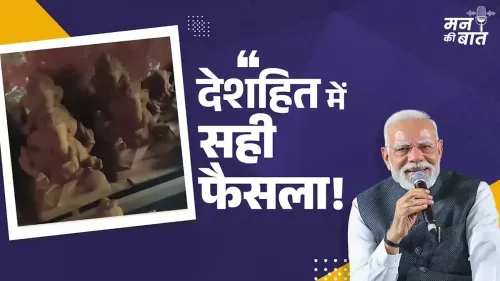
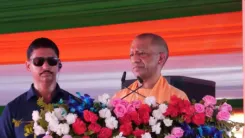
Union Culture and Tourism Minister Gajendra Singh Shekhawat on Sunday, 26 July 2026 urged citizens to install clay idols of Lord Ganesha during the upcoming Ganesh Chaturthi festival, framing the choice as an act of reverence for nature itself. The appeal, shared on his official X account, was linked to the Mann Ki Baat radio programme of Prime Minister Narendra Modi.
Context
In his post, Shekhawat wrote: 'Is baar Ganapati pooja mein desh ki mitti se bane Ganesh ji ko apne ghar mein sthapit karein' — 'This time, install a Ganesha idol made from the soil of our country in your home.' He added that such an effort 'would itself be a form of worship of nature,' tying devotional practice directly to environmental consciousness. The post carried the hashtag #MannKiBaat, indicating the message draws from or echoes themes raised in the Prime Minister's monthly radio address.
Ganesh Chaturthi is one of India's largest Hindu festivals, marked by the installation of Ganesha idols in homes and public pandals, followed by ceremonial immersion in water bodies. The use of synthetic, chemically painted idols has long been flagged as a source of river and lake pollution.
Policy Backdrop
The appeal fits within a sustained pattern of official messaging at both central and state levels encouraging a return to traditional, water-soluble clay idols over plaster-of-Paris or synthetic alternatives. Regulatory nudges on idol immersion and public awareness drives have been rolled out across multiple states in recent years, with cultural and environmental ministries often coordinating such campaigns ahead of the festival season.
Mann Ki Baat, launched by Prime Minister Modi in October 2014, has repeatedly served as a platform to amplify social and cultural themes — from water conservation to the revival of traditional crafts — that ministers and officials subsequently echo through their own channels. Shekhawat's post positions the clay-idol message within that broader official communication arc.
Stakeholders and Impact
The primary beneficiaries of a shift toward clay idols are traditional potters — artisans whose livelihoods have been squeezed by cheaper, mass-produced synthetic idols. A sustained public push by senior ministers can meaningfully redirect consumer choices during the festival season, providing both an economic boost to the potter community and a measurable reduction in chemical load on water bodies during immersion.
Hindu devotees across the country, particularly in Maharashtra, Karnataka, Andhra Pradesh, Telangana, and Goa — states where Ganesh Chaturthi is celebrated most elaborately — are the intended audience for such appeals. The framing of a clay idol as 'worship of nature' is designed to make the environmental choice feel spiritually resonant rather than merely regulatory.
What's Next
Public uptake of clay idols during the Ganesh Chaturthi 2026 season will be a key indicator of whether ministerial appeals translate into behavioural change at scale. Follow-up references in subsequent Mann Ki Baat episodes and any formal government scheme or advisory from the Ministry of Culture would signal whether this remains a social-media nudge or evolves into structured policy action. State pollution control boards are also likely to issue immersion guidelines ahead of the festival.
Point of View
Creating a multiplier effect for the Prime Minister's messaging without requiring a formal policy announcement. By framing a clay idol as 'worship of nature,' the appeal attempts to dissolve the perceived tension between tradition and environmentalism — a politically useful synthesis ahead of a major festival. The simultaneous benefit to traditional potter communities gives the message an artisan-welfare dimension that broadens its appeal beyond purely religious or ecological audiences. If the messaging gains traction, it could pressure state governments and municipal bodies to follow up with binding immersion guidelines, converting a soft cultural appeal into harder regulatory action.
NationPress
26 Jul 2026
Frequently Asked Questions
Why is Gajendra Singh Shekhawat asking people to use clay Ganesh idols?
Shekhawat says installing idols made from Indian soil during Ganesh Chaturthi is itself a form of worship of nature, aligning devotional practice with environmental protection by reducing chemical pollution from synthetic idols during river immersion.
What is Mann Ki Baat and how is it connected to this appeal?
Mann Ki Baat is Prime Minister Narendra Modi's monthly radio programme, launched in October 2014, where he discusses social and cultural themes. Shekhawat tagged his post with #MannKiBaat, indicating the clay-idol message echoes themes from that programme.
Are clay Ganesh idols better for the environment than plaster-of-Paris idols?
Yes. Clay idols are water-soluble and free of synthetic chemicals, so they dissolve naturally when immersed in water bodies, unlike plaster-of-Paris or chemically painted idols that release pollutants into rivers and lakes.
How does using clay idols help traditional potters in India?
Traditional potters have faced declining demand due to cheaper mass-produced synthetic idols. A shift toward clay idols during Ganesh Chaturthi can revive orders for artisan communities and provide a direct economic boost during the festival season.
Which states celebrate Ganesh Chaturthi most prominently in India?
Ganesh Chaturthi is celebrated most elaborately in Maharashtra, Karnataka, Andhra Pradesh, Telangana, and Goa, making these states the primary audience for official appeals on eco-friendly idol choices.