Shekhawat Chairs Medical Value Travel Stakeholder Meet
Synopsis
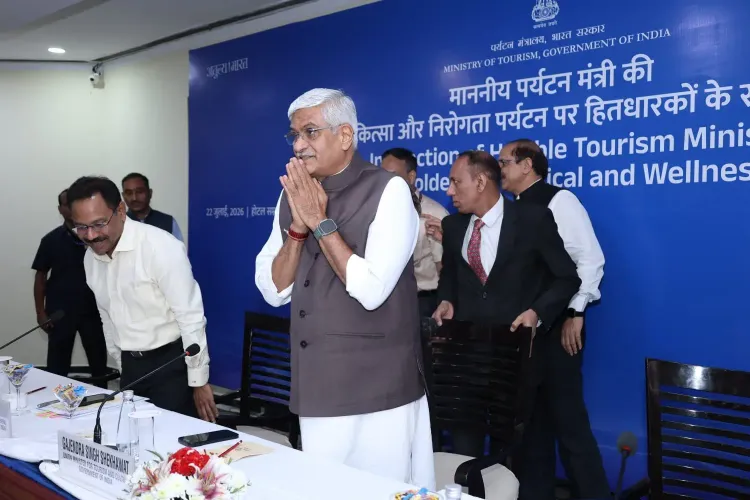
Union Culture and Tourism Minister Gajendra Singh Shekhawat on 22 July 2026 chaired a cross-sector stakeholder meeting on Medical Value Travel, focusing on visa streamlining, insurance reform, and global promotion of India's healthcare and wellness ecosystem to attract more international patients.
Key Takeaways
Gajendra Singh Shekhawat chaired a Medical Value Travel stakeholder interaction on 22 July 2026 involving hospitals, AYUSH institutions, and key ministries.
Key discussion areas were streamlined medical visa processes , improved insurance and payment mechanisms, and stronger global promotion.
India's 'Heal in India' initiative , launched in 2022 , provides the existing policy framework for inter-ministerial coordination on medical tourism.
Dedicated medical visas have existed since 2005 , but procedural and insurance bottlenecks remain ongoing challenges for the sector.
The Ministry of AYUSH , formed in 2014 , integrates traditional medicine systems such as Ayurveda and Yoga into India's medical tourism offering.
India competes with Southeast Asian destinations and aims to leverage cost advantages alongside wellness offerings to grow foreign exchange earnings from health tourism.
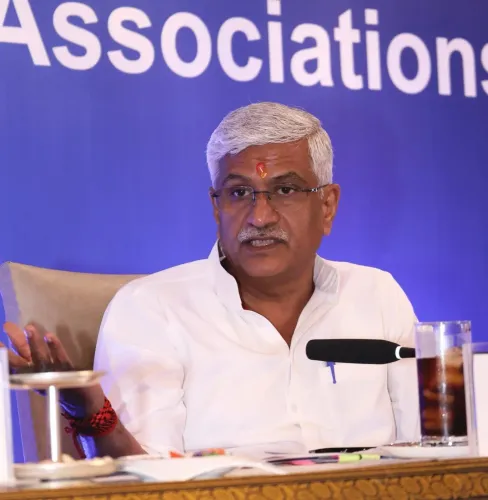
Union Culture and Tourism Minister Gajendra Singh Shekhawat on Wednesday, 22 July 2026 chaired a stakeholder interaction bringing together leading hospitals, AYUSH institutions, and representatives from key central ministries and departments to advance India's Medical Value Travel agenda. The meeting centred on concrete steps to sharpen India's global competitiveness in attracting international patients seeking affordable, high-quality healthcare and wellness services.
Context
Shekhawat described the session as a 'productive interaction' covering three priority areas: streamlined visa processes, improved insurance and payment mechanisms, and stronger global promotion of India's healthcare and wellness ecosystem. Tagging the Prime Minister's Office, Prime Minister Narendra Modi, the Ministry of Culture, and the Ministry of Tourism in his post, the minister signalled that the push cuts across multiple arms of the Union government. The minister reaffirmed a collective commitment to 'making India a preferred global destination for healing and holistic wellness.'
Policy Backdrop
India's Medical Value Travel push has a layered policy lineage. Dedicated medical visas were introduced as far back as 2005 to ease entry for patients seeking treatment, yet procedural bottlenecks and insurance gaps have persisted as recurring complaints from private hospitals and international patient facilitators. The establishment of the Ministry of AYUSH in 2014 added a formal institutional home for integrating traditional systems — Ayurveda, Yoga, Naturopathy, Unani, Siddha, and Homeopathy — into the broader medical tourism framework.
The 'Heal in India' initiative, launched in 2022, was designed to stitch together these threads by coordinating promotion across ministries and private-sector hospitals under a single umbrella. The current inter-ministerial stakeholder meeting represents a continuation of that coordination effort, with renewed focus on the friction points that deter international patients from choosing India over competing destinations in Southeast Asia.
Stakeholders and Impact
The meeting drew participants from across the Medical Value Travel ecosystem — private hospital chains, AYUSH providers, and government departments whose mandates intersect with health tourism, including those overseeing visa policy, insurance regulation, and foreign exchange. India's competitive advantage in this space rests on a combination of significantly lower procedure costs compared with Western markets and a growing portfolio of wellness offerings anchored in traditional medicine. Successive governments have linked expansion of medical tourism to service export targets and foreign exchange inflows, making the sector strategically important beyond its direct healthcare value.
International patients travelling to India for treatment span a wide geography — from Africa, South Asia, and the Middle East — and the ability to offer seamless visa processing and cashless insurance settlement is considered critical to scaling volumes. Private hospitals have long flagged insurance interoperability and payment repatriation as pain points that erode India's price advantage.
What's Next
The immediate watch-points are any revised medical visa protocols or insurance framework changes that emerge from the deliberations, along with India's participation in upcoming global health tourism forums where the country's positioning will be tested against rival destinations. With the Ministry of Tourism and Ministry of AYUSH both in the room, the groundwork for a more coordinated promotional campaign — potentially building on the 'Heal in India' brand — appears to be taking shape. Whether the meeting translates into notified policy changes or remains at the level of inter-ministerial dialogue will determine its real-world impact on patient inflows and foreign exchange earnings.
Point of View
Bringing tourism, culture, and health ministries into a single room. By personally chairing the interaction and tagging the PMO, Shekhawat is asserting the Tourism Ministry's coordinating role in a space that has historically been fragmented across departments. The emphasis on visa and insurance reform — perennial sticking points — suggests the government is aware that promotional campaigns alone will not move the needle without resolving structural friction for incoming patients. If concrete protocol changes follow, this meeting could mark a meaningful acceleration of the 'Heal in India' agenda ahead of any global health tourism rankings or forums where India seeks to improve its standing.
NationPress
23 Jul 2026
Frequently Asked Questions
What is Medical Value Travel in India?
Medical Value Travel refers to India's government-led effort to attract international patients by combining advanced, affordable medical care with wellness offerings such as Ayurveda and Yoga, with the goal of increasing foreign exchange earnings and positioning India as a global healthcare destination.
What is the 'Heal in India' initiative?
'Heal in India' is an initiative launched in 2022 to coordinate the promotion of medical tourism across central ministries and private hospitals under a unified brand, addressing visa, insurance, and promotional gaps that limit patient inflows.
What did Gajendra Singh Shekhawat discuss at the Medical Value Travel meeting?
Gajendra Singh Shekhawat led discussions on streamlining medical visa processes, improving insurance and payment mechanisms for international patients, and strengthening global promotion of India's healthcare and wellness ecosystem.
What is the Ministry of AYUSH and how does it relate to medical tourism?
The Ministry of AYUSH , established in 2014 , promotes traditional Indian medicine systems including Ayurveda, Yoga, and Naturopathy. It plays a key role in India's medical tourism framework by integrating wellness offerings with advanced medical care to attract international visitors.
How does India's medical tourism compare with Southeast Asian countries?
India competes with established Southeast Asian medical tourism destinations by offering significantly lower procedure costs and a growing portfolio of traditional wellness services. Challenges such as complex visa procedures and insurance interoperability have historically limited India's ability to fully capitalise on these advantages.