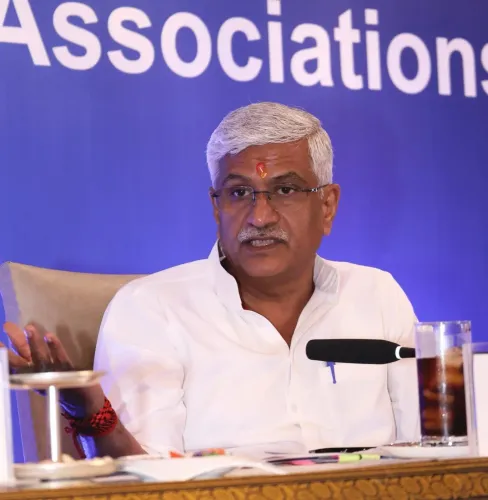
Shekhawat Backs Global Partnerships for Youth Jobs
Synopsis
Union Culture and Tourism Minister Gajendra Singh Shekhawat has publicly backed India's growing web of bilateral partnerships, saying the explicit goal is to generate employment, opportunity, and global exposure for Indian youth — linking cultural diplomacy directly to the country's demographic dividend strategy.
Key Takeaways
Gajendra Singh Shekhawat , Union Culture and Tourism Minister, on 23 May 2026 stated India is actively forging partnerships with multiple countries to benefit its youth.
The stated objectives are employment generation , expanding opportunities, and providing global exposure to young Indians.
India has signed bilateral skill and mobility agreements with countries including Germany , Japan , and Australia since 2016 .
The Skill India Mission (launched 2015 ) and the National Youth Policy 2014 form the policy backbone for such international cooperation.
The tourism and hospitality sector is a primary channel through which these partnerships are expected to generate youth employment.
Next milestones include fresh bilateral MoUs and a possible parliamentary debate on an updated National Tourism Policy .
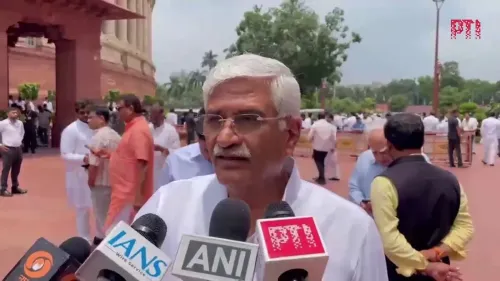
Union Culture and Tourism Minister Gajendra Singh Shekhawat on Saturday, 23 May 2026, underscored India's active pursuit of bilateral partnerships with countries across the world, framing the effort squarely around creating opportunities, employment, and global exposure for Indian youth.
Context
Posting on X, Shekhawat stated, 'Bharat bhi duniya ke alag alag deshon ke saath partnership kar raha hai' ('India too is forming partnerships with different countries across the world'). He elaborated that the goal is to ensure Indian youth receive opportunities and employment, and that their potential is allowed to flourish. He added a personal note: 'I also want the youth of the country to get global exposure.'
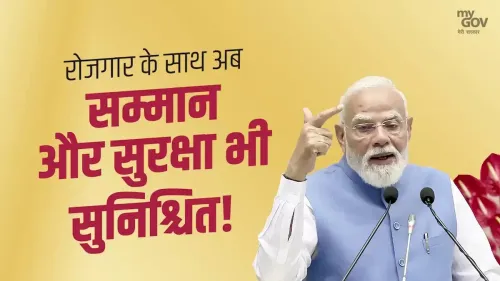
The post, accompanied by a video, signals that the Ministry of Culture and Tourism is actively positioning international tie-ups not merely as diplomatic exercises but as direct levers for youth employment and capacity-building.
Policy Backdrop
India's push for bilateral youth and skill partnerships has deep policy roots. The National Youth Policy 2014 explicitly emphasised global exposure and skill development for employability through international cooperation. From 2016 onward, India signed a series of bilateral skill and mobility agreements — including with Germany, Japan, and Australia — aimed at facilitating structured overseas training and employment for Indian workers and youth.
The Skill India Mission, launched in 2015, has been a flagship vehicle for such ambitions, linking domestic vocational training ecosystems with international demand for skilled labour. The Ministry of Tourism's role in this matrix is significant: hospitality, travel, and heritage management are among the fastest-growing sectors globally, offering scalable employment pathways for young Indians.
Successive administrations have integrated cultural diplomacy with people-to-people exchanges, treating tourism partnerships as soft-power instruments that simultaneously yield economic dividends through remittances and knowledge transfer.
Stakeholders and Impact
The primary beneficiaries of such partnerships are India's youth, particularly those entering the tourism and hospitality sector — an industry that is labour-intensive and globally mobile. Structured bilateral agreements can open pathways for certified training abroad, seasonal employment, and long-term migration with skill recognition.
For Rajasthan — Shekhawat's home state and one of India's premier tourist destinations — such partnerships carry added salience, potentially channelling investment and expertise into a state whose economy is heavily tied to domestic and inbound tourism. Broader stakeholders include hospitality businesses, vocational training institutes, and state governments that stand to benefit from enhanced international linkages.
What's Next
The next concrete markers to watch include fresh bilateral tourism or skill memoranda of understanding, likely to be announced during scheduled visits by senior ministers or during multilateral summits. A parliamentary discussion on an updated National Tourism Policy is also anticipated, which could formalise the youth-employment and global-exposure mandates that Shekhawat has now articulated publicly.
If the ministry translates this stated intent into signed agreements and measurable placement targets, it could represent a meaningful expansion of India's demographic-dividend strategy — one that uses cultural and tourism diplomacy as an employment pipeline, not just a prestige exercise.
Point of View
A framing that plays well ahead of any electoral cycle and aligns with the BJP's long-running 'demographic dividend' narrative. By invoking global exposure alongside jobs, the minister is also subtly addressing middle-class anxieties about India's youth being left behind in a competitive global economy. The integration of the Culture and Tourism ministry into this skills-and-mobility conversation is notable: it suggests the government is widening the institutional ownership of youth employment beyond the Labour and Skill Development ministries. Whether this translates into signed, measurable agreements will determine if the statement is policy signal or political positioning.
NationPress
25 Sept 2026
Frequently Asked Questions
Why is India forming partnerships with other countries for youth employment?
India is leveraging bilateral partnerships to channel its large youth population into global employment and training opportunities, particularly in sectors like tourism and hospitality where international demand is high. The approach converts India's demographic dividend into economic and soft-power gains.
What is Gajendra Singh Shekhawat's role in India's youth employment push?
As Union Minister of Culture and Tourism, Gajendra Singh Shekhawat is positioning his ministry as a vehicle for international tie-ups that generate jobs and global exposure for Indian youth, linking cultural diplomacy to employment outcomes.
Which countries has India signed skill and mobility agreements with?
India has signed bilateral skill and mobility agreements with countries including Germany , Japan , and Australia from 2016 onward, aimed at facilitating structured overseas training and employment for Indian youth.
What is the Skill India Mission and how does it relate to global partnerships?
The Skill India Mission , launched in 2015 , is a flagship programme to skill millions of Indian youth. It has been used as a framework for linking domestic vocational training with international bilateral agreements that open overseas employment pathways.
What should we expect next from India's bilateral tourism and youth partnerships?
Observers expect the next round of bilateral tourism or skill MoUs to be announced during upcoming ministerial or prime ministerial visits abroad, along with a possible parliamentary discussion on an updated National Tourism Policy that formalises youth-employment targets.