Shekhawat hails UNESCO listing of Rajatarangini, Mahabharata, Arthashastra
Synopsis
The Rajatarangini, Mahabharata, and Arthashastra have been inscribed in the UNESCO Memory of the World Asia-Pacific Regional Register. Union Culture Minister Gajendra Singh Shekhawat hailed the listing as a landmark recognition of India's civilisational and documentary heritage, linking it to PM Modi's cultural diplomacy push.
Key Takeaways
Three texts inscribed: The Rajatarangini , Mahabharata , and Arthashastra have been added to the UNESCO Memory of the World Asia-Pacific Regional Register .
Programme history: UNESCO launched the Memory of the World Programme in 1992 to protect and promote irreplaceable documentary heritage globally.
Significance of each text: The Rajatarangini is a 12th-century historiographical chronicle; the Mahabharata is one of humanity's longest epics; the Arthashastra is a seminal treatise on statecraft attributed to Kautilya, circa 3rd century BCE.
Cultural diplomacy arc: The listing continues India's pattern of securing multilateral recognition for ancient intellectual traditions, accelerated under PM Modi's government.
Next step: Asia-Pacific inscription is a recognised pathway toward potential nomination to the UNESCO Memory of the World International Register .
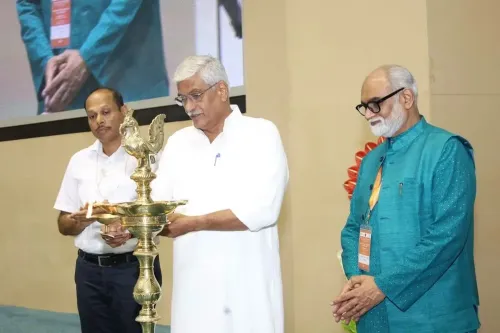
Minister's response: Union Culture and Tourism Minister Gajendra Singh Shekhawat welcomed the recognition on 5 November 2026 , crediting PM Modi's leadership.
Three of India's most consequential ancient texts — the Rajatarangini, the Mahabharata, and the Arthashastra — have been inscribed in the UNESCO Memory of the World Asia-Pacific Regional Register, a recognition that places India's documentary civilisation alongside the world's most treasured intellectual heritage. Union Culture and Tourism Minister Gajendra Singh Shekhawat welcomed the development on 5 November 2026, calling it 'a landmark recognition of India's extraordinary documentary and civilisational heritage.'
What the three texts represent — and why this listing matters
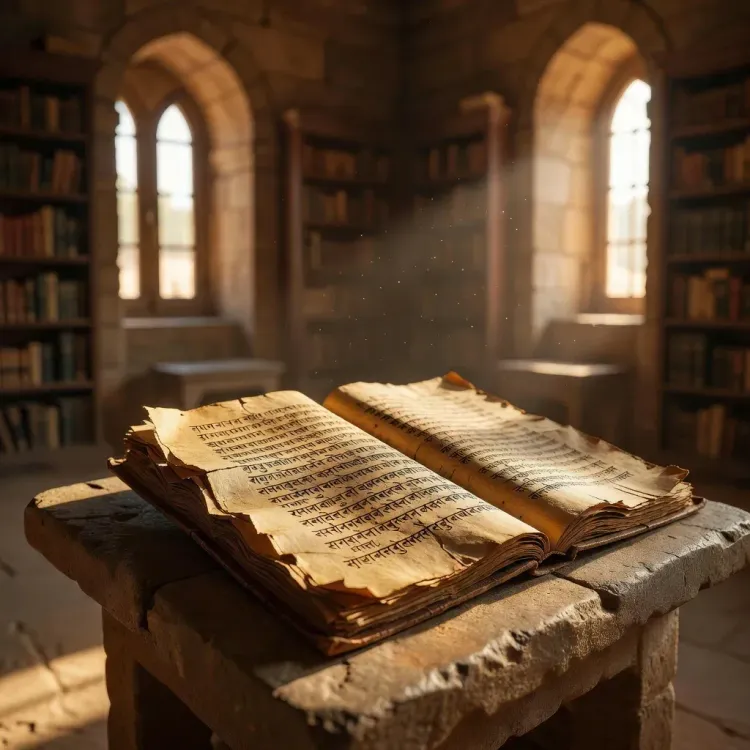
The Rajatarangini, composed by the 12th-century Kashmiri scholar Kalhana, is considered one of the subcontinent's earliest systematic works of historiography — a river-of-kings chronicle that laid the foundations of historical inquiry in Sanskrit. The Mahabharata, one of humanity's longest epic poems, is a philosophical and narrative monument that has shaped law, ethics, and literature across South and Southeast Asia for millennia. The Arthashastra, attributed to Kautilya (Chanakya) and dating to roughly the 3rd century BCE, remains a foundational text of statecraft, economics, and diplomacy — studied today in policy circles as much as in academia.
Their joint inscription in the UNESCO Memory of the World Asia-Pacific Regional Register signals formal international acknowledgement that these works constitute irreplaceable documentary heritage — not just for India, but for humanity's collective intellectual record.
India's cultural diplomacy push and the UNESCO Memory of the World programme
UNESCO launched its Memory of the World Programme in 1992 specifically to safeguard and promote documentary heritage — manuscripts, archival collections, oral traditions committed to written form — that risk loss through neglect, deterioration, or deliberate destruction. The Asia-Pacific Regional Register is a recognised stepping stone, with inscriptions eligible for consideration at the full International Register level.
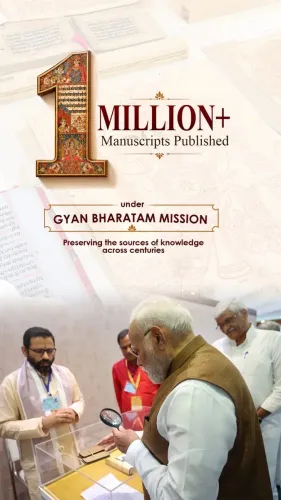
India's pursuit of such listings is part of a broader cultural diplomacy strategy that successive governments have pursued, and which has accelerated under Prime Minister Narendra Modi. From the successful UNESCO Intangible Cultural Heritage nominations of Yoga (2016) and Durga Puja (2021) to the high-profile Holographic Vedas archival project, New Delhi has consistently leveraged multilateral platforms to establish the global intellectual provenance of Indian civilisation.
Minister Shekhawat framed the latest listing squarely within that arc, stating that 'under the visionary leadership of Hon'ble PM Shri Narendra Modi Ji, India's civilisational legacy is receiving unprecedented global recognition and its rightful place on the world stage.'
Heritage scholars, Sanskrit researchers, and what comes next
For the community of Sanskrit researchers, manuscript conservationists, and heritage scholars across India and the diaspora, the Asia-Pacific inscription carries both symbolic and practical weight. It raises the international profile of these texts for digitisation funding, academic collaboration, and preservation efforts. The Asia-Pacific Regional Register listing also opens a formal pathway toward potential nomination to the UNESCO Memory of the World International Register — the highest tier of documentary recognition — a development that observers of Indian cultural diplomacy will watch closely at upcoming UNESCO executive board sessions.
Three ancient voices. One global register. India's argument that its intellectual traditions belong at the centre of world heritage — not on its margins — just got a formal, multilateral endorsement.
Point of View
Concrete win for India's cultural diplomacy, which has increasingly used multilateral heritage frameworks to assert the global intellectual provenance of Indian civilisation. It fits a deliberate pattern under the Modi government of translating soft-power ambitions into formal international recognitions — from Yoga to Durga Puja and now documentary heritage. The Asia-Pacific tier, while significant, is not the apex; the real diplomatic prize would be International Register status, and New Delhi will likely treat this listing as a launchpad for that campaign. For heritage scholars and Sanskrit researchers, the practical upshot — greater visibility, potential digitisation funding, and collaborative access — may prove as consequential as the symbolism.
NationPress
5 Nov 2026
Frequently Asked Questions
What is the UNESCO Memory of the World Asia-Pacific Regional Register?
It is a UNESCO register established under the Memory of the World Programme (launched in 1992) that recognises documentary heritage of outstanding significance to the Asia-Pacific region. Inscription acknowledges the universal value of items such as manuscripts, archival collections, and ancient texts, and can serve as a stepping stone toward the full UNESCO Memory of the World International Register.
Why are Rajatarangini, Mahabharata, and Arthashastra significant?
The Rajatarangini, written by Kashmiri scholar Kalhana in the 12th century, is one of the earliest systematic works of historiography in Sanskrit. The Mahabharata is among humanity's longest epic poems, shaping ethics, law, and literature across Asia for millennia. The Arthashastra, attributed to Kautilya around the 3rd century BCE, is a foundational treatise on statecraft, economics, and diplomacy still studied globally.
What did Culture Minister Gajendra Singh Shekhawat say about the UNESCO listing?
Minister Shekhawat called the inscription 'a landmark recognition of India's extraordinary documentary and civilisational heritage' and stated that under PM Narendra Modi's leadership, India's civilisational legacy is receiving 'unprecedented global recognition and its rightful place on the world stage.'
Could these texts be listed on the UNESCO Memory of the World International Register?
The Asia-Pacific Regional Register is a recognised pathway toward the International Register, the highest tier of UNESCO documentary recognition. Observers of Indian cultural diplomacy expect New Delhi to pursue an international nomination, potentially raised at upcoming UNESCO executive board sessions.
How does this fit India's broader cultural diplomacy strategy?
India has consistently pursued multilateral heritage nominations to establish the global intellectual provenance of its civilisation. Under PM Modi's government, this has included UNESCO Intangible Cultural Heritage nominations for Yoga in 2016 and Durga Puja in 2021. The Memory of the World listing of ancient manuscripts continues that strategic arc.