Shekhawat Marks Partition Remembrance Day, Honours 1947 Victims
Synopsis
On Partition Horrors Remembrance Day, Union Culture Minister Gajendra Singh Shekhawat honoured the millions displaced and killed in the 1947 Partition of India, calling unity the only fitting response to the tragedy and invoking India's civilisational identity as a bulwark against division.
Key Takeaways
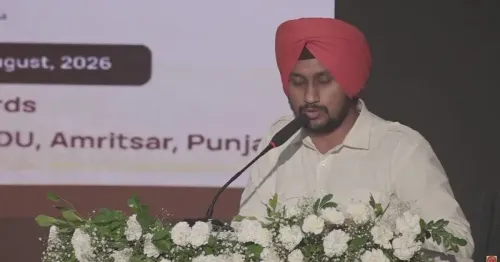
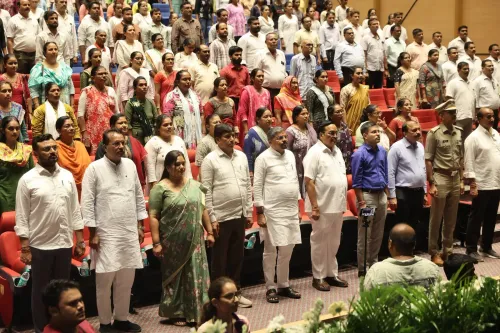
Union Culture and Tourism Minister Gajendra Singh Shekhawat posted a solemn tribute on 14 August 2026 , marking Partition Horrors Remembrance Day .
He described the 1947 Partition as a catastrophe for humanity, honouring victims who 'had done not even a needle-tip's worth of wrong.' The Government of India declared 14 August as Partition Horrors Remembrance Day in 2021 to institutionalise memory of the Partition's human cost.
The 1947 Partition displaced millions and caused between 200,000 and 2 million deaths in communal violence.
Shekhawat's message centred on national unity, arguing Indian culture 'has no place for separation.' The Ministry of Culture has integrated Partition remembrance into heritage and educational programmes as part of a broader cultural policy.
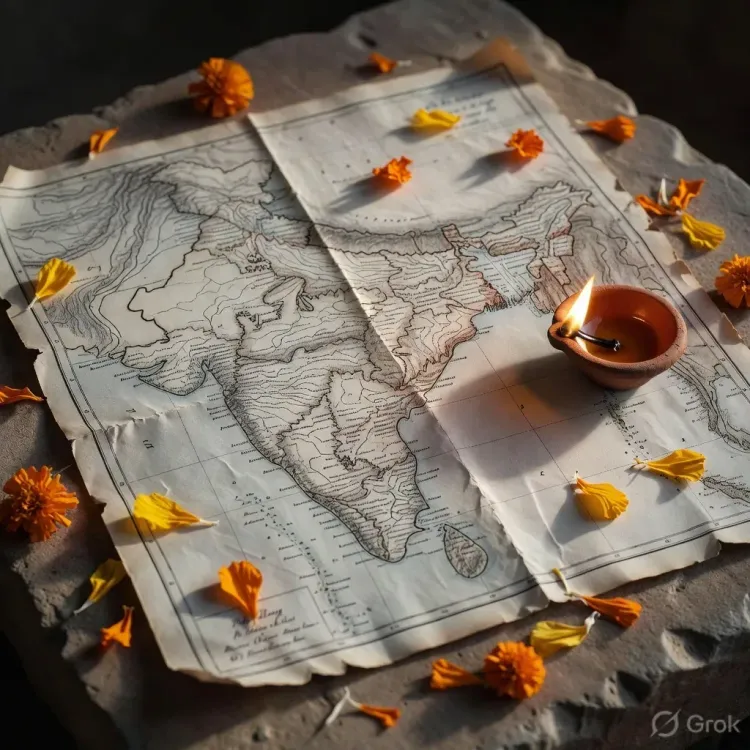
Seventy-eight years after a cartographer's line tore a subcontinent apart, the wounds of 1947 refuse to fully close. On Partition Horrors Remembrance Day, 14 August 2026, Union Culture and Tourism Minister Gajendra Singh Shekhawat paid solemn tribute to the millions who were displaced, killed, or broken by the division of British India — people who, as he put it, had done 'not even a needle-tip's worth of wrong.'
Posting in Hindi on X, Shekhawat wrote: 'Vibhajan ka dard aaj bhi gahra hai' — 'The pain of Partition runs deep even today.' He described the Partition as a catastrophe for humanity, one borne by countless Indians who were entirely innocent. His message closed with a call for unity rooted in Indian civilisational identity: 'No matter what happens, we must remain one… because our culture has no place for separation.'
A Day Carved from Collective Grief
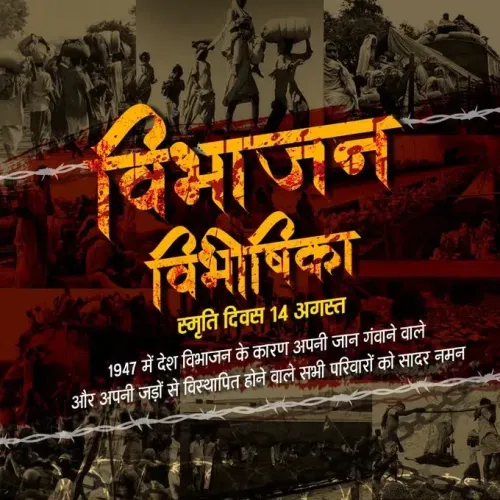
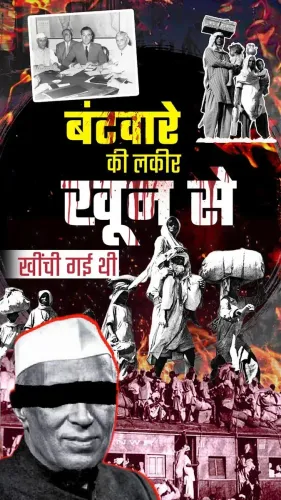
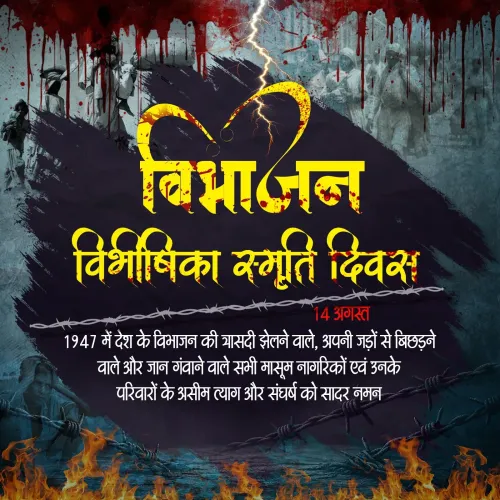
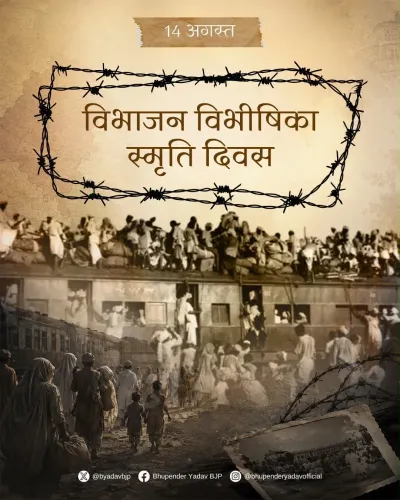
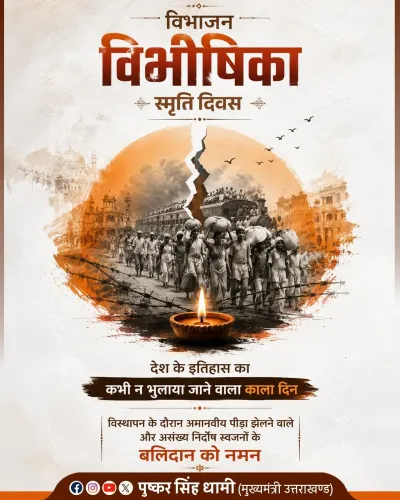
The observance itself has a specific origin. In 2021, the Government of India formally declared 14 August as Partition Horrors Remembrance Day — the eve of Independence Day — to institutionalise memory of the human cost of Partition. The date is deliberate: it sits at the exact hinge between the trauma of division and the celebration of freedom, forcing both into the same breath.
The 1947 Partition of British India into the independent states of India and Pakistan triggered one of the largest forced migrations in recorded history. Estimates of those displaced run into the millions; the death toll from the accompanying communal violence is placed by historians at between 200,000 and 2 million. Entire communities were uprooted overnight, their histories severed by a border drawn in weeks.
Culture Ministry's Role in Keeping the Memory Alive
Shekhawat's tribute is not an isolated gesture. As the minister overseeing culture, he sits at the centre of a broader government effort to embed Partition memory into India's heritage framework. The Ministry of Culture has integrated Partition remembrance into educational programmes and heritage initiatives — a policy arc that treats collective grief as a civic resource, a reminder of what division costs.
The hashtag #PartitionHorrorsRemembranceDay anchors the post to a national conversation that surfaces every 14 August, drawing in survivors' testimonies, archival photographs, and institutional events. For a minister whose portfolio spans both culture and tourism, the day connects directly to sites of Partition memory — museums, memorials, and border towns that still carry the scar.
Partition survivors and their descendants are the living archive this observance exists to honour. Their sacrifice, Shekhawat argues, is not merely historical — it is a standing instruction: 'Hamen ek rehna hai' — we must remain one.
Point of View
Positioning national unity as the only morally coherent response to the tragedy. The annual recurrence of this observance on the eve of Independence Day ensures the two moments — loss and freedom — remain inseparable in public memory.
NationPress
28 Sept 2026
Frequently Asked Questions
What is Partition Horrors Remembrance Day?
Partition Horrors Remembrance Day is observed every year on 14 August to remember the victims of the 1947 Partition of British India into India and Pakistan. The Government of India formally declared the observance in 2021 .
Why is 14 August chosen for Partition Horrors Remembrance Day?
14 August is the eve of India's Independence Day on 15 August , placing the remembrance of Partition's trauma directly alongside the celebration of freedom — a deliberate pairing to ensure both the cost and the achievement of independence are remembered together.
What did Gajendra Singh Shekhawat say on Partition Remembrance Day 2026?
Union Culture Minister Gajendra Singh Shekhawat posted a tribute in Hindi, describing the 1947 Partition as a catastrophe for humanity and honouring the millions of innocent Indians who were displaced or killed. He called for national unity, saying India's culture 'has no place for separation.'
How many people were affected by the 1947 Partition of India?
The 1947 Partition triggered one of the largest forced migrations in history, displacing millions of people. Historians estimate the death toll from accompanying communal violence at between 200,000 and 2 million .
What is the Ministry of Culture's role in Partition Remembrance Day?
The Ministry of Culture , headed by Gajendra Singh Shekhawat , has integrated Partition remembrance into India's broader heritage and educational initiatives, including exhibitions and programmes held around 14 August each year.