Shekhawat pays tribute to Odia poet Upendra Bhanja at Swapnil Odisha
Synopsis
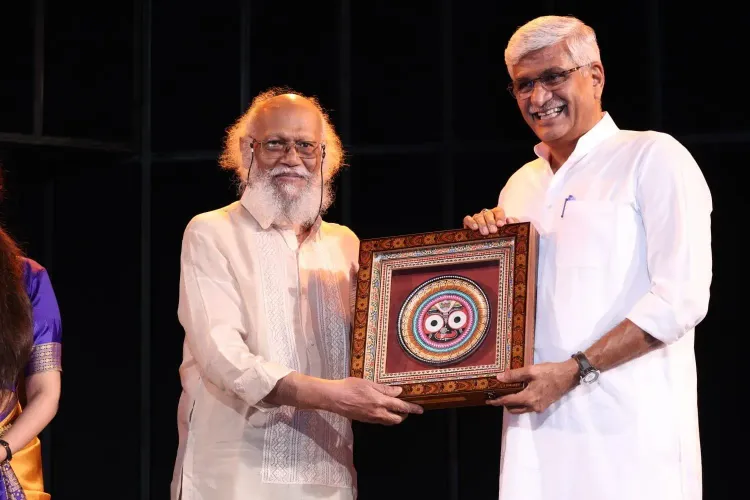
Union Culture Minister Gajendra Singh Shekhawat attended the 'Swapnil Odisha' programme in New Delhi on 19 June 2026, paying tribute to classical Odia poet Upendra Bhanja alongside scholars, artists, and Anwesha Kala Kendra founder Anwesha Brahma, celebrating India's multilingual literary heritage.
Key Takeaways
Union Culture and Tourism Minister Gajendra Singh Shekhawat attended the 'Swapnil Odisha' cultural-literary programme in New Delhi on 19 June 2026 .
The event paid literary and cultural tribute to Upendra Bhanja , a celebrated 17th–18th century Odia poet and author of Baidehisha Bilasa .
Anwesha Brahma , founder of Anwesha Kala Kendra , co-hosted the occasion alongside scholars, artists, musicians, and culture practitioners.
Odia was recognised as a classical language by the Government of India in 2014 , enabling central support for its literary research and promotion.
The event aligns with the Ministry of Culture's broader Ek Bharat Shreshtha Bharat framework of promoting regional literary traditions at the national level.
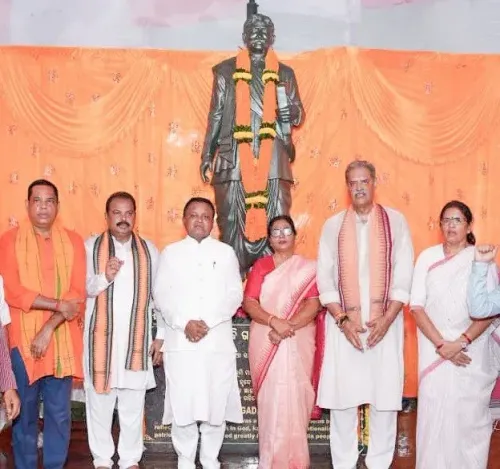
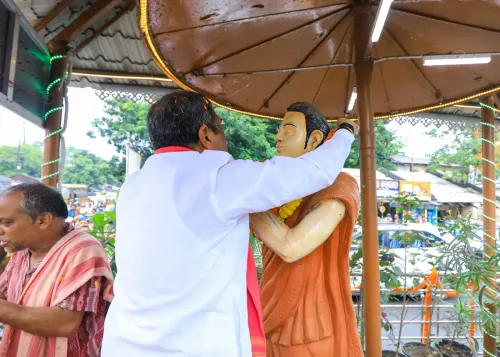
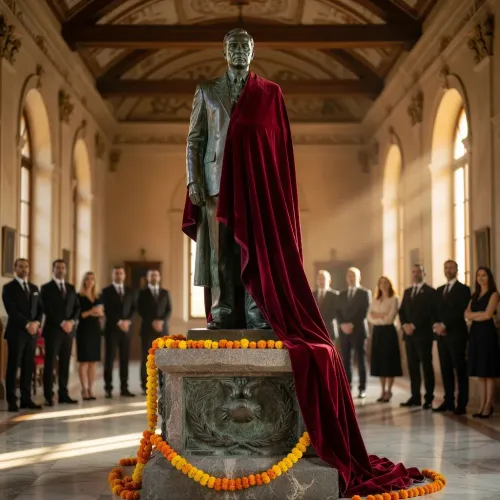
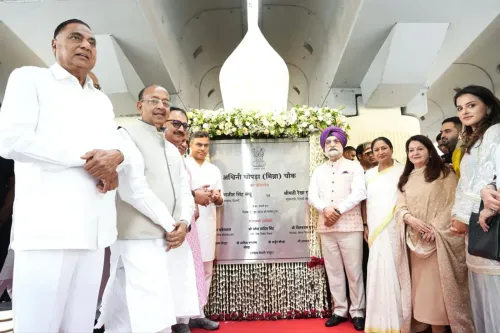
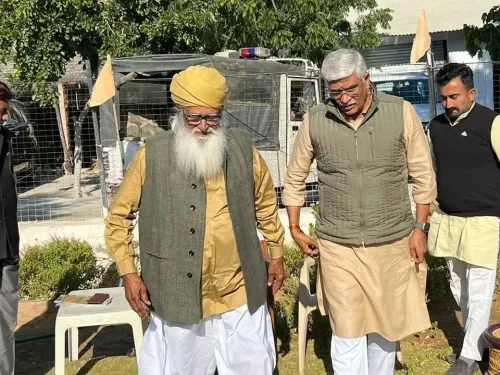
Union Culture and Tourism Minister Gajendra Singh Shekhawat paid literary and cultural tribute to classical Odia poet Upendra Bhanja at the 'Swapnil Odisha' programme held in New Delhi on 19 June 2026. The event brought together scholars, litterateurs, artists, musicians, and culture practitioners to celebrate the enduring legacy of Odia literature.
Context
Shekhawat described the occasion as a privilege, writing in Hindi that he received 'punya' (the merit of a sacred act) in paying homage to Upendra Bhanja, whom he called an 'amar nakshatra' (immortal star) of Odia literature. The tribute was offered alongside Anwesha Brahma, founder of Anwesha Kala Kendra, a Delhi-based institution that promotes performing arts, literature, and inter-regional cultural dialogue. The minister noted that meaningful conversations were held on India's rich literary and cultural heritage during the event.
Upendra Bhanja, who lived in the 17th and 18th centuries, is regarded as one of the foremost figures of classical Odia poetry. His celebrated work Baidehisha Bilasa is considered a cornerstone of the Odia literary canon. Odia was accorded the status of a classical language by the Government of India in 2014, enabling dedicated central support for research and promotion of texts from this tradition.
Policy Backdrop
The Ministry of Culture has, since 2015, organised state-focused literary and cultural programmes under the Ek Bharat Shreshtha Bharat framework, which aims to highlight regional literary traditions across the country. Events of this nature complement the work of the Sahitya Akademi and the classical-language research centres established to preserve and propagate India's pre-modern literary heritage.
Delhi-based tributes to pre-modern poets from non-Hindi linguistic traditions have become a recurring feature of central cultural policy. These programmes are designed to integrate state-level heritage into a broader, multilingual narrative of Indian civilisation — one that presents the country's literary canon as regionally rooted rather than centred on any single language.
Stakeholders and Impact
The 'Swapnil Odisha' programme drew participation from Odia litterateurs, regional language scholars, and cultural organisations, with Anwesha Kala Kendra playing a central organising role. For the Odia cultural community in Delhi and beyond, ministerial participation of this level lends institutional visibility to a literary tradition that, despite its classical status, remains less widely known outside Odisha.
The presence of the Union Culture Minister signals the central government's continued investment in recognising India's classical languages and their literary figures on a national stage. Such events also serve as platforms for dialogue between the ministry, regional cultural bodies, and independent arts organisations.
What's Next
The ministry's engagement with Odia heritage through events like 'Swapnil Odisha' may point toward further initiatives, including ministry-supported publications or digital archives dedicated to Upendra Bhanja and other classical Odia authors. Cultural observers will watch whether similar tributes to pre-modern regional poets are incorporated into the annual Sanskriti Mahotsav calendar in the coming months.
Point of View
Lending political weight to what might otherwise remain a niche cultural gathering. The tribute to Upendra Bhanja fits a recognisable pattern: honoring pre-modern regional poets at ministerial level reinforces the government's multilingual cultural nationalism without entering contested linguistic politics. For the Odia community, it is a signal that classical status granted in 2014 continues to translate into visible institutional support. Whether this momentum leads to concrete archival or publication outcomes will be the real measure of the ministry's commitment.
NationPress
19 Sept 2026
Frequently Asked Questions
Who is Upendra Bhanja and why is he significant?
Upendra Bhanja was a celebrated Odia poet of the 17th and 18th centuries, widely regarded as one of the greatest figures in classical Odia literature. His work 'Baidehisha Bilasa' is considered a landmark in the Odia literary tradition.
What is the 'Swapnil Odisha' programme?
'Swapnil Odisha' is a cultural-literary programme held in New Delhi to showcase Odia heritage and honour classical Odia poets, bringing together scholars, artists, and cultural practitioners.
What is Anwesha Kala Kendra?
Anwesha Kala Kendra is a Delhi-based cultural institution founded by Anwesha Brahma that promotes performing arts, literature, and inter-regional cultural dialogue, with a focus on Indian classical traditions.
When did Odia get classical language status?
The Government of India accorded Odia the status of a classical language in 2014, enabling dedicated central funding and support for research and promotion of Odia texts and literary heritage.
What is the Ek Bharat Shreshtha Bharat framework?
Ek Bharat Shreshtha Bharat is a central government initiative launched in 2015 that promotes cultural and literary exchanges between Indian states, including programmes that highlight regional linguistic and literary traditions at the national level.