Shekhawat joins BJP's Guru Ravidas 650th birth event in Jodhpur
Synopsis
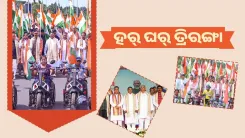
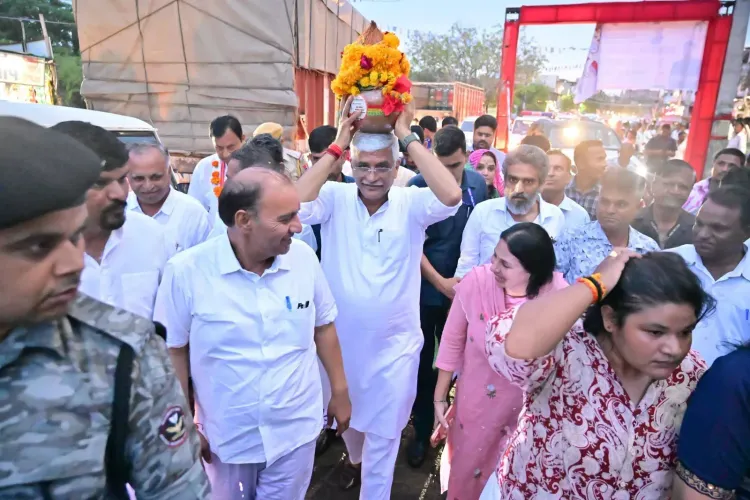
Union Culture Minister Gajendra Singh Shekhawat participated in BJP's Guru Ravidas 650th Prakatya Varsh Kalash Vandan Rath Yatra and Samarasta Sankalp Abhiyan in Jodhpur on 10 August 2026, calling on attendees to embrace the saint's message of equality and social harmony.
Key Takeaways
Union Culture and Tourism Minister Gajendra Singh Shekhawat attended the event in Jodhpur on 10 August 2026 .
The occasion marks the 650th Prakatya Varsh (birth commemoration year) of Bhakti saint Guru Ravidas Maharaj .
BJP organised a Kalash Vandan Rath Yatra and a Samarasta Sankalp Abhiyan (social harmony pledge campaign) for the occasion.
Shekhawat called on attendees to internalise Guru Ravidas's ideals of equality, harmony, and human welfare .
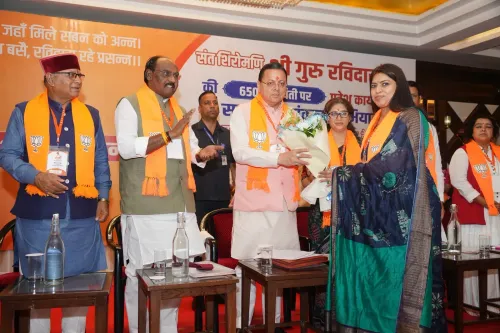
Senior local BJP leaders including former MP Rajendra Gehlot and District President Rajendra Paliwal were present, alongside former SC Commission Vice-Chairman Vikesh Kholia .
The event reflects BJP's broader pattern of cultural outreach to Scheduled Caste communities in Rajasthan.
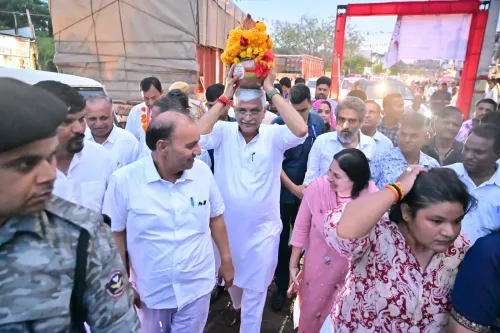
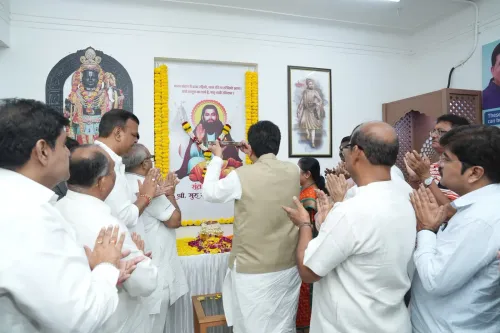
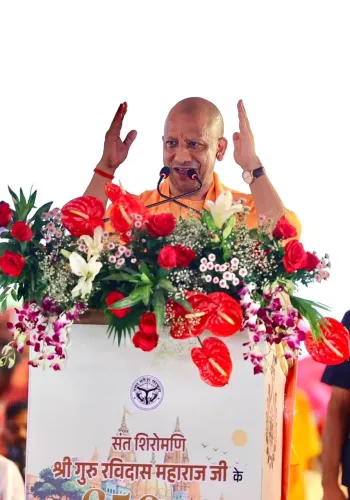
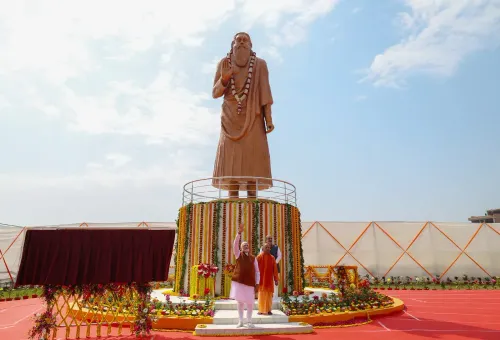
On a Monday morning in Jodhpur, Union Culture and Tourism Minister Gajendra Singh Shekhawat joined a BJP-organised procession and pledge ceremony honouring the 650th Prakatya Varsh — the birth commemoration year — of Sant Shiromani Guru Ravidas Maharaj, the revered 15th-century Bhakti saint whose message of equality still resonates across millions of homes in India.
Shekhawat participated in the Kalash Vandan Rath Yatra (sacred-vessel salutation chariot procession) and the 'Samarasta Sankalp Abhiyan' — a 'social harmony pledge campaign' — on 10 August 2026, calling on those gathered to internalise Guru Ravidas's ideals of equality, harmony, and human welfare.
Guru Ravidas and the message Shekhawat invoked
Guru Ravidas, born in the Varanasi region in the 15th century, was among the foremost voices of the Bhakti movement — a poet-saint who challenged caste hierarchy through devotional verse and preached that the divine resides in every human being regardless of birth. His teachings remain a living tradition, especially among Scheduled Caste communities across north and western India. Shekhawat's address urged attendees to carry that spirit of samrasta — social harmony — into their daily lives.
BJP's Jodhpur leadership turns out in force
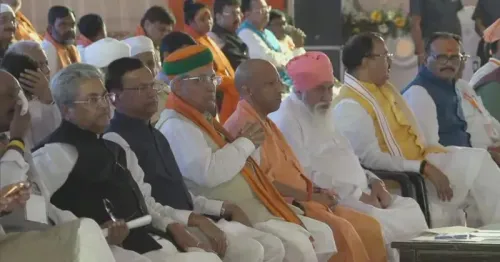
The ceremony drew a notable gathering of local BJP figures. Former MP Rajendra Gehlot, BJP District President Rajendra Paliwal, and District In-charge Veermadev Singh were present, alongside former JDA Chairman Dr. Mahendra Singh Rathore, former Vice-Chairman of the Scheduled Caste Commission Vikesh Kholia, Mahesh Chauhan, and Rajeev Barasa. The breadth of the turnout — spanning elected representatives, party organisers, and a former SC Commission official — underlined the event's dual character as both cultural commemoration and community outreach.
BJP's pattern of Bhakti-saint outreach in Rajasthan
This event fits a deliberate pattern. The BJP has periodically anchored large-format ceremonies around Bhakti saints — Ravidas, Kabir, Mirabai — framing their messages of social equality as consonant with the party's own samrasta plank. In Rajasthan, where Scheduled Caste voters form a significant share of the electorate, such programmes serve as a visible bridge between cultural commemoration and political presence. A Union minister's participation elevates the local event to the national register, lending it both symbolic weight and media visibility.
Jodhpur is Shekhawat's own Lok Sabha constituency — making his attendance less a visit and more a homecoming, one that doubles as grassroots mobilisation on familiar ground.
Point of View
Such high-visibility cultural events — especially those anchored by a Union minister — serve as soft mobilisation tools that operate well below the threshold of overtly political rallies. The 650th birth-year framing gives the outreach a rare, time-bound urgency that amplifies its reach.
NationPress
10 Aug 2026
Frequently Asked Questions
Who is Guru Ravidas and why is he significant?
Guru Ravidas was a 15th-century Bhakti poet-saint from the Varanasi region who preached social equality, devotion, and human welfare, and is especially revered among Scheduled Caste communities across India.
What is the Samarasta Sankalp Abhiyan?
The Samarasta Sankalp Abhiyan is a 'social harmony pledge campaign' organised by the BJP in Jodhpur as part of the Guru Ravidas 650th birth-year celebrations, urging participants to commit to the saint's ideals of equality.
What is the Kalash Vandan Rath Yatra?
The Kalash Vandan Rath Yatra is a sacred-vessel salutation chariot procession organised by the BJP in Jodhpur to mark the 650th Prakatya Varsh of Guru Ravidas Maharaj.
Why did Gajendra Singh Shekhawat attend this event in Jodhpur?
Shekhawat is the Union Culture and Tourism Minister and also the Lok Sabha MP from Jodhpur, making the city his home constituency; he participated in the BJP-organised event and called on attendees to embrace Guru Ravidas's message of equality and harmony.
What is BJP's broader outreach to Dalit communities in Rajasthan?
The BJP has periodically organised events honouring Bhakti saints such as Ravidas and Kabir to highlight messages of social equality, forming part of the party's cultural and political outreach to Scheduled Caste voters in states including Rajasthan.