140,468 Afghan nationals deported from Pakistan's Punjab amid mass expulsion drive
Synopsis
Pakistan has deported over 140,468 Afghan nationals from Punjab alone — part of a broader operation that has now removed 2.68 million Afghans in total. With Amnesty International warning of 'unlawful expulsions' and the UNHCR calling for dignity in returns, the crisis is exposing a widening gap between state enforcement and international refugee law.
Key Takeaways
140,468 Afghan nationals have been deported from Pakistan's Punjab province as of 10 August .
Pakistan's total Afghan deportations have reached 2.68 million nationwide.
Deportees are detained in holding centres and handed to Afghan authorities at the Torkham border .
Taliban Deputy Spokesman Hamdullah Fitrat reported 1,537 individuals returned from Pakistan and Iran in a single day on Sunday.
Amnesty International on 20 June called for an end to what it termed unlawful expulsions, citing arbitrary arrests and family separations.
The UNHCR and IOM have urged that all returns be conducted in a safe and dignified manner.
Over 140,468 Afghan nationals residing illegally in Pakistan's Punjab province have been deported to Afghanistan, local media reported on Monday, 10 August. The removals were carried out by the Foreign National Security Cell of Punjab's Home Department as part of a continuing campaign targeting undocumented foreign residents.
How the Deportations Are Being Carried Out
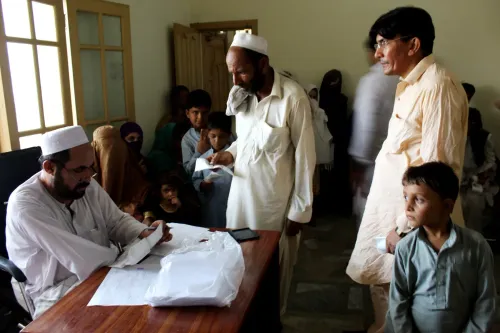
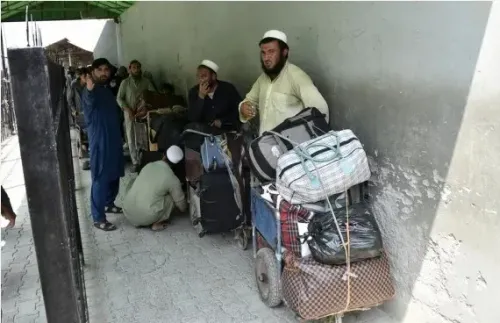
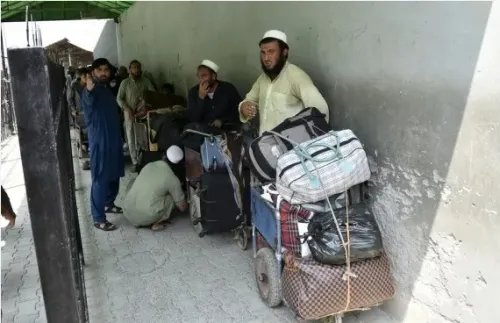
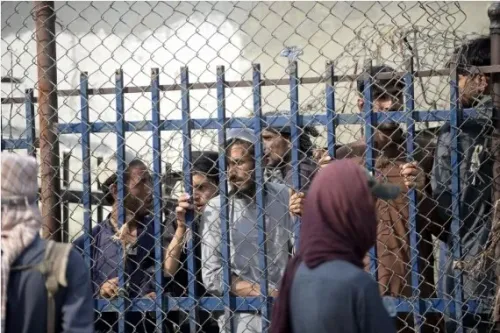
According to reports citing Pakistan's daily Dawn, authorities have been conducting checks in residential areas and markets across Punjab to identify Afghans living without valid visas. Those detained are shifted to holding centres, where documentation is completed before they are handed over to Afghan authorities at the Torkham border. Punjab's Home Department spokesperson confirmed that Afghan nationals without valid visas are considered to be in the country illegally and are subject to removal.
Scale of the Broader Expulsion
The Punjab figure is part of a far larger national operation. A cumulative total of 2.68 million Afghan nationals have been deported from Pakistan so far, according to official figures. The scale places Pakistan among the most active countries in expelling Afghan refugees — a trend that international agencies say is accelerating across the region. The United Nations High Commissioner for Refugees (UNHCR) and the International Organisation for Migration (IOM) have repeatedly called for returns to be conducted in a safe and dignified manner, urging greater international support for those being sent back.
Taliban Data on Daily Returns
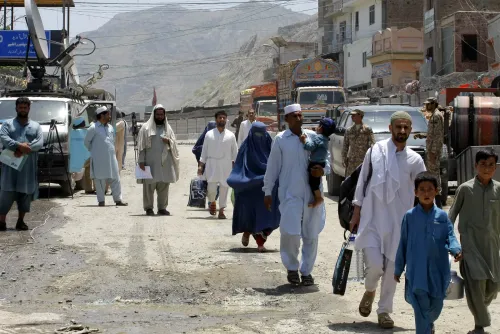
On Sunday, Taliban Deputy Spokesman Hamdullah Fitrat shared a daily operational report from the High Commission for Addressing Returnees' Issues, stating that 307 Afghan families, comprising 1,537 individuals, returned from Pakistan and Iran in a single day. In the report shared on X, Fitrat detailed that 235 families — 1,235 people — returned through the Torkham crossing, while 25 families (141 individuals) came through Spin Boldak and 39 families (129 individuals) through the Silk Bridge crossing in Nimroz province. A further 8 families (32 individuals) returned via the Islam Qala crossing. The same report noted that 310 families (1,964 individuals) were relocated to various Afghan provinces, 294 families received financial assistance, and 261 SIM cards were distributed to returnees.
Human Rights Concerns
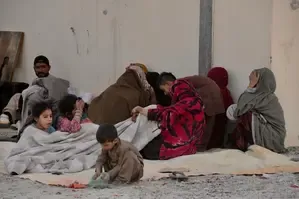
Rights groups have raised serious alarms over the manner of these expulsions. On 20 June, Amnesty International urged the international community to halt what it described as unlawful expulsions of Afghan refugees. In a post on X, the organisation said: 'Millions of Afghan refugees are being expelled across the globe, and that number keeps climbing day by day. In host countries, they are facing arbitrary arrests and family separations; upon return, they are facing human rights violations amidst one of the most severe humanitarian crises in the world.' It added: 'The unlawful expulsions of Afghan people must stop, and people with international protection needs must be safeguarded as per international human rights law.' The group highlighted that Afghan refugees face arbitrary detention and family separations in host nations, and risk further rights violations upon returning to Afghanistan.
What Comes Next
With Pakistan's deportation campaign showing no signs of slowing and the Taliban government logging returns daily, pressure on international agencies to scale up reception support inside Afghanistan is intensifying. The UNHCR and IOM have called for greater funding and coordination, but concrete commitments from the global community remain limited. How Afghanistan absorbs millions of returnees amid an acute humanitarian crisis will be a defining test of international refugee law in the months ahead.
Point of View
Holding centres, market sweeps, and border handovers, point to a systematic state apparatus, not ad hoc enforcement. What is largely absent from official Pakistani framing is any engagement with UNHCR's 'safe and dignified return' standard, which requires non-refoulement protections that Afghanistan, under Taliban rule, cannot credibly guarantee. Amnesty International's warning about rights violations upon return is not hypothetical; it is documented. The international community's response, largely limited to statements, suggests that Afghan refugee protection has become a low-priority diplomatic issue precisely when it most urgently requires attention.
NationPress
10 Aug 2026
Frequently Asked Questions
How many Afghan nationals have been deported from Pakistan's Punjab?
A total of 140,468 Afghan nationals have been deported from Pakistan's Punjab province as part of an ongoing crackdown on undocumented foreign residents. The deportations are being conducted by the Foreign National Security Cell of Punjab's Home Department.
How many Afghans has Pakistan deported in total?
Pakistan has deported a cumulative total of 2.68 million Afghan nationals so far, according to official figures. Punjab's latest deportations are part of this much larger national operation targeting Afghans living without valid visas.
What process is followed before deportation?
Afghans found without valid visas are arrested during checks in residential areas and markets, then moved to holding centres where documentation is completed. They are subsequently handed over to Afghan authorities at the Torkham border crossing.
What have international human rights organisations said about the deportations?
Amnesty International, on 20 June, urged the international community to halt what it called unlawful expulsions, warning that Afghan refugees face arbitrary arrests and family separations in host countries and human rights violations upon return. The UNHCR and IOM have also called for returns to be conducted in a safe and dignified manner.
What is the situation for Afghan returnees inside Afghanistan?
According to Taliban data shared by Deputy Spokesman Hamdullah Fitrat, 310 families were relocated to various Afghan provinces in a single day, with 294 families receiving financial assistance. However, rights groups warn that returnees face a severe humanitarian crisis and potential human rights violations under Taliban rule.