Shekhawat joins digital empowerment workshop for women artisans at FDDI
Synopsis
Union Culture and Tourism Minister Gajendra Singh Shekhawat participated in a digital empowerment workshop at FDDI on 26 July 2026, engaging with women artisans from self-help groups on new e-commerce opportunities through a Flipkart-RGAVP-PWIF collaboration.
Key Takeaways
Union Minister Gajendra Singh Shekhawat attended a digital empowerment workshop at FDDI on 26 July 2026 .
The event was organised in partnership with Flipkart , RGAVP , and PWIF .
The workshop targeted women artisans from Mahila Swayam Sahayata Samoohs (women's self-help groups).
Discussions centred on connecting artisans to digital marketplaces and new e-commerce opportunities.
The initiative aligns with the National Rural Livelihoods Mission and Digital India programme frameworks.
Rajasthan hosts a large network of SHGs and artisan clusters, making it a key site for such convergence efforts.
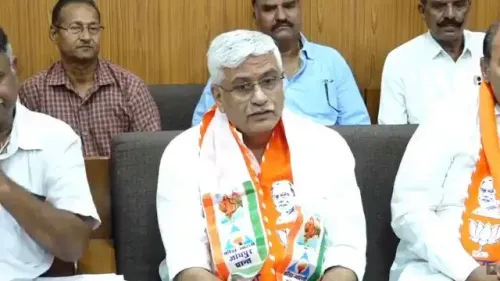
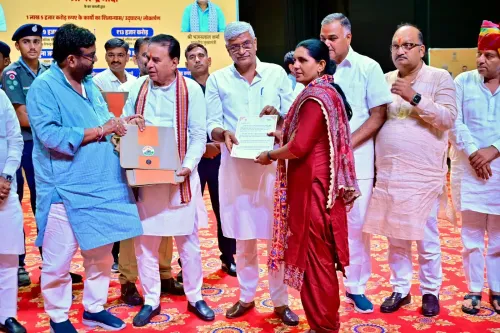
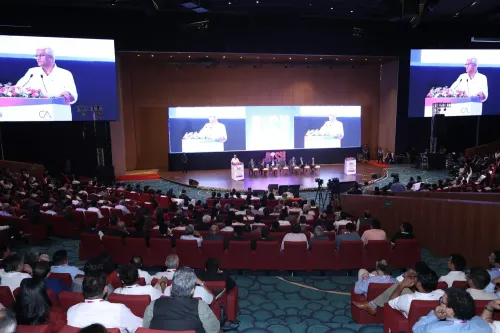
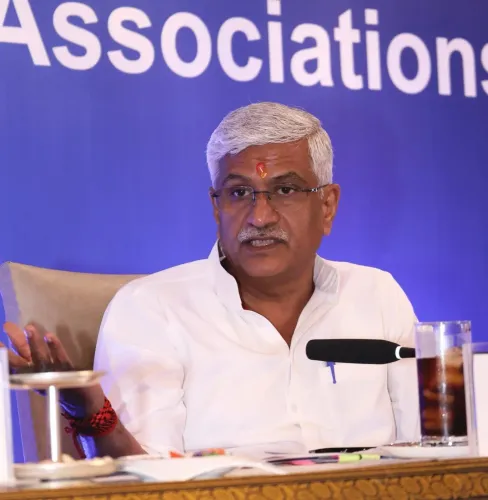
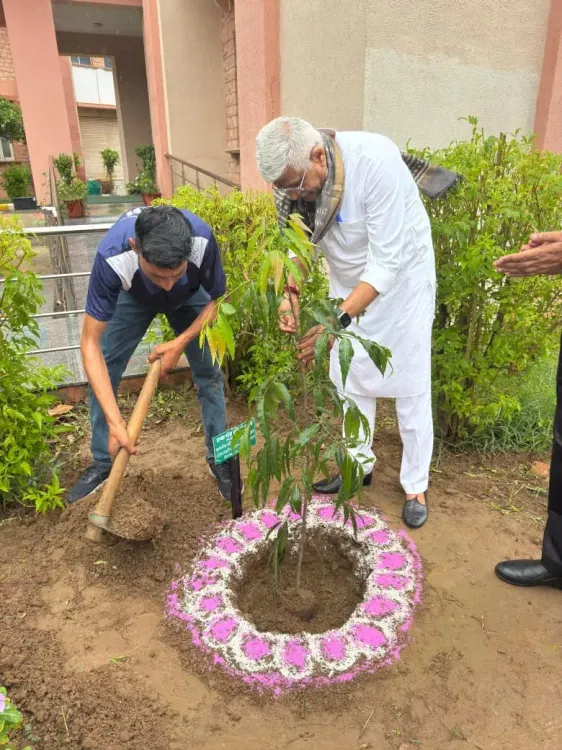
Union Culture and Tourism Minister Gajendra Singh Shekhawat participated in a digital empowerment workshop organised at the Footwear Design and Development Institute (FDDI) on Sunday, 26 July 2026, in collaboration with Flipkart, Rajasthan Grameen Aajeevika Vikas Parishad (RGAVP), and PWIF, aimed at connecting women artisans from self-help groups to digital marketplaces.
Context
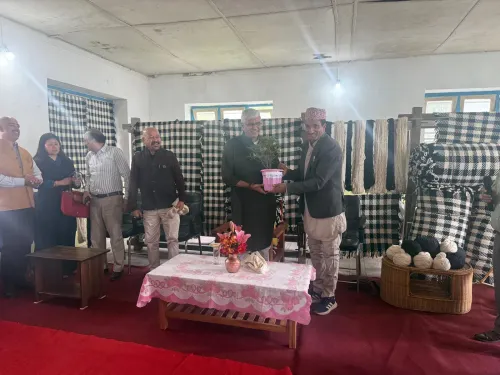
Shekhawat shared his participation on X, writing: 'aaj FDDI mein Flipkart, RGAVP evam PWIF ke sahyog se hamari bahnon ke liye aayojit digital sashaktikaran karyashala mein sahbhagi bana' ('Today I participated in a digital empowerment workshop organised at FDDI with the support of Flipkart, RGAVP, and PWIF for our sisters'). He added that he held conversations with women artisans from self-help groups about new opportunities to connect with the digital marketplace.
The workshop brought together women members of Mahila Swayam Sahayata Samoohs (women's self-help groups), giving them direct exposure to e-commerce onboarding processes and digital selling tools. The minister's presence signals a convergence of cultural welfare priorities with digital inclusion goals.
Policy Backdrop
The event sits within a well-established policy framework. The National Rural Livelihoods Mission (NRLM), launched in 2011, has been the backbone of India's effort to organise rural women into self-help groups and link them to sustainable income sources. RGAVP is Rajasthan's nodal agency for implementing NRLM, overseeing a large network of women's collectives across the state.
The Digital India programme, announced in 2015, added a market-access dimension to these livelihood missions by promoting e-commerce integration for artisans and small producers. Flipkart has partnered with government bodies in multiple states to onboard rural sellers, particularly those from handloom and handicraft clusters, onto its platform.
FDDI, an autonomous institute under the Ministry of Commerce and Industry, has historically focused on skill development in leather and footwear, but its infrastructure has increasingly been used as a venue for broader artisan-sector capacity-building workshops.
Stakeholders and Impact
The primary beneficiaries are women artisans from Rajasthan's self-help groups, who gain practical knowledge about listing products, managing digital payments, and accessing a national consumer base through e-commerce platforms. Rajasthan hosts one of the country's densest networks of artisan clusters, making it a critical site for such convergence programmes.
For Flipkart, partnerships of this nature expand the supply side of its marketplace while fulfilling corporate social responsibility commitments around rural inclusion. For RGAVP, the collaboration offers a channel to translate SHG economic activity into measurable market outcomes.
What's Next
Workshops of this nature often precede formal memoranda of understanding between state agencies, central ministries, and private platforms. Analysts will watch whether this event leads to a structured onboarding programme or a scaled rollout of digital literacy camps across Rajasthan's artisan districts. The initiative may also surface in parliamentary discussions on artisan welfare and digital inclusion under upcoming budget or policy review cycles.
Point of View
Not just heritage preservation. The three-way collaboration between a central skill institute, a state rural agency, and a private e-commerce giant reflects a model the government has been quietly scaling across craft-dense states. For Rajasthan, with its dense SHG networks and globally recognised craft traditions, the stakes are particularly high: successful e-commerce integration could meaningfully raise artisan incomes ahead of state-level political cycles. The event also reinforces the BJP's sustained messaging around women's economic empowerment as a core governance deliverable.
NationPress
26 Jul 2026
Frequently Asked Questions
What is the FDDI digital empowerment workshop for women artisans?
The workshop, held at the Footwear Design and Development Institute on 26 July 2026, was organised by Flipkart, RGAVP, and PWIF to train women artisans from self-help groups on accessing digital marketplaces and e-commerce platforms.
Who is Gajendra Singh Shekhawat?
Gajendra Singh Shekhawat is the Union Minister of Culture and Tourism, a senior BJP leader, and the Lok Sabha MP from Jodhpur, Rajasthan.
How is Flipkart involved in rural women's empowerment in India?
Flipkart has partnered with central and state government bodies to onboard rural artisans and small sellers onto its e-commerce platform, helping them access a national consumer base and improve their incomes.
What is the National Rural Livelihoods Mission?
The National Rural Livelihoods Mission, launched in 2011, is a central government programme that organises rural women into self-help groups and links them to financial services and market opportunities to support sustainable livelihoods.