Shekhawat attends digital empowerment workshop for women at FDDI

Synopsis
Union Culture and Tourism Minister Gajendra Singh Shekhawat participated in a live digital empowerment workshop for women at the Footwear Design and Development Institute (FDDI) on 26 July 2026, streaming the session publicly to extend its reach beyond on-site trainees.
Key Takeaways
Union Minister Gajendra Singh Shekhawat joined a live digital empowerment workshop for women at FDDI on 26 July 2026 .
The session was broadcast live on social media, widening access beyond the physical venue.
FDDI is an autonomous institute under the Ministry of Commerce and Industry , focused on footwear design, technology, and leather-sector management.
The event aligns with the Digital India and Skill India missions, both launched in 2015 , which target digital literacy and vocational upskilling for women.
Inter-ministerial participation in skilling events at sector-specific institutes has become a recurring feature of Central government outreach on women's economic inclusion.
Scaling of similar workshops to other autonomous institutes and parliamentary scrutiny of outcomes are anticipated next steps.
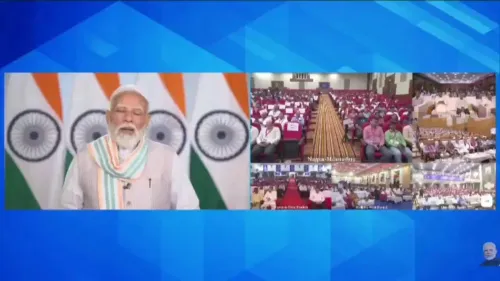
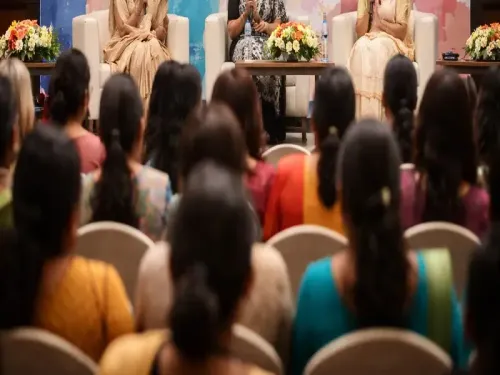
Union Culture and Tourism Minister Gajendra Singh Shekhawat joined a live digital empowerment workshop for women at the Footwear Design and Development Institute (FDDI) on Sunday, 26 July 2026, with the session broadcast live on social media for a wider audience.
Context
Shekhawat shared the live broadcast link on X (formerly Twitter), announcing: 'FDDI mein mahilaon ke liye digital sashaktikaran karyashala' — a digital empowerment workshop for women at FDDI. The event was streamed publicly, signalling an intent to extend its reach beyond the immediate audience of women trainees and students at the institute.
FDDI is an autonomous institute under the Ministry of Commerce and Industry, offering education and training in footwear design, technology, and leather-sector management. The minister's participation from an allied portfolio underlines the inter-ministerial coordination that has become a recurring feature of government-led skilling events.
Policy Backdrop
The workshop fits within two flagship Central government frameworks. The Digital India programme, launched in 2015, expanded digital literacy initiatives to citizens with a specific focus on women and underserved communities. The Skill India Mission, also launched in 2015, mandated vocational and digital upskilling across sector-specific institutes, including bodies like FDDI.
Central ministries have periodically organised digital literacy workshops inside vocational and design institutes to advance gender inclusion in skill ecosystems. Events of this nature are often live-streamed and led by ministers from allied portfolios — a pattern that reinforces government messaging around technology access in traditional manufacturing and design sectors.
Stakeholders and Impact
The primary beneficiaries of the workshop are women trainees and students at FDDI, who stand to gain practical digital skills applicable to the footwear and leather industries. Broader digital literacy, including the use of online platforms for commerce, design tools, and communication, is increasingly seen as essential for economic participation in these sectors.
The live broadcast format extended the workshop's potential reach to women beyond the physical venue, a model that has gained traction since the expansion of low-cost mobile internet access across India. For the leather and footwear sector — a significant employment base for women in states such as Uttar Pradesh, Tamil Nadu, and West Bengal — digital upskilling carries direct economic implications.
What's Next
Observers will watch for any government announcements on scaling similar workshops to other autonomous institutes under various ministries. Follow-up parliamentary questions on measurable outcomes — enrolment numbers, certifications issued, and post-training employment data — from digital empowerment programmes at institutes like FDDI are a likely avenue of legislative scrutiny.
If the model of inter-ministerial participation in skilling events is formalised, it could set a precedent for broader coordination between the Ministry of Culture and Tourism and technical institutes under other portfolios, particularly those with a strong women-workforce presence.
Point of View
Where women constitute a significant share of the workforce, digital upskilling carries tangible economic stakes that go beyond optics. The key policy question remains whether one-off workshop formats translate into measurable, sustained gains in digital capability for women in these industries.
NationPress
25 Oct 2026
Frequently Asked Questions
What is the FDDI digital empowerment workshop for women about?
The workshop at the Footwear Design and Development Institute (FDDI) focuses on building digital skills among women trainees and students, covering tools and platforms relevant to the footwear and leather design sectors. It was broadcast live on 26 July 2026.
Why is Culture Minister Shekhawat involved in an FDDI event?
FDDI falls under the Ministry of Commerce and Industry, not Culture and Tourism. Shekhawat's participation reflects inter-ministerial coordination on women's skilling initiatives, a pattern seen across Central government outreach events on digital literacy.
What is FDDI and what does it do?
FDDI, or the Footwear Design and Development Institute, is an autonomous body under the Ministry of Commerce and Industry. It provides education and training in footwear design, leather technology, and management, and has campuses across several Indian states.
How does this workshop connect to Digital India and Skill India?
Both the Digital India programme and the Skill India Mission, launched in 2015, include targeted digital literacy and vocational training components for women. Workshops at institutes like FDDI are part of this broader policy ecosystem.
Will similar digital empowerment workshops be held at other institutes?
No formal announcement has been made, but the government has a pattern of scaling successful workshop models to other autonomous institutes. Parliamentary questions on outcomes of such programmes are expected to follow.