Shekhawat hails Modi's '12-year vision', Vaccine Maitri legacy
Synopsis
Union Culture and Tourism Minister Gajendra Singh Shekhawat used X to flag a '12-year vision' under PM Narendra Modi, citing Vaccine Maitri as proof of India's transformation into a 'Vishwa Bandhu'. The post links pandemic-era vaccine outreach to a broader soft-power narrative as the Modi government marks twelve years in office.
Key Takeaways
Union Minister Gajendra Singh Shekhawat posted on X on 4 June 2026 invoking a '12-year vision' under PM Narendra Modi.
The post credits Vaccine Maitri with positioning India as a 'Vishwa Bandhu' or friend of the world.
Vaccine Maitri was launched in January 2021, supplying Covishield and Covaxin to over 100 countries.
The initiative was anchored in India's Neighbourhood First and Act East policies.
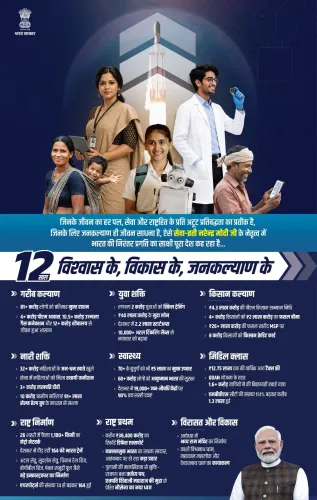
The messaging coincides with twelve years of the Modi government, first sworn in in May 2014.
Future G20 and WHO engagements will test the durability of the 'Vishwa Bandhu' framing.
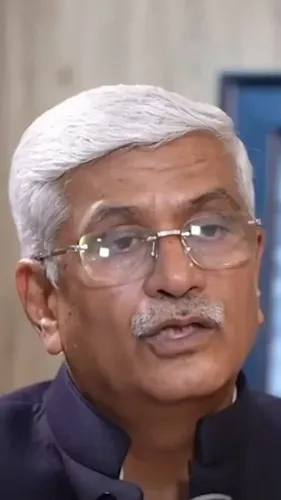
Union Culture and Tourism Minister Gajendra Singh Shekhawat on 4 June 2026 posted on X to spotlight what he described as a 12-year vision under Prime Minister Narendra Modi, crediting it with transforming India from a vaccine supplier to a self-styled Vishwa Bandhu (friend of the world). The Jodhpur Lok Sabha MP linked the country's pandemic-era outreach to a broader narrative of India as a provider of global public goods.
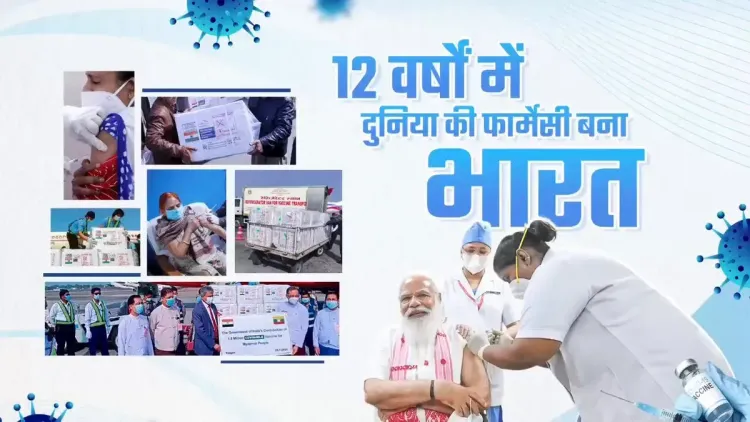
In his post, written in Hindi, Shekhawat said: '12-year vision: From Vaccine Maitri, India has become Vishwa Bandhu! Under the leadership of Prime Minister Shri Narendra Modi ji, India has shown the world that its progress is not only for itself, but also for humanity.' The message was accompanied by a video.
Context
The post arrives as the ruling dispensation marks twelve years since the Modi government first took office in May 2014. Senior ministers have been amplifying milestone-driven messaging across portfolios, with foreign policy and humanitarian outreach featuring prominently in the talking points.
Shekhawat's framing leans on the term Vishwa Bandhu, a phrase the Prime Minister and senior leaders have used in recent years to describe India's diplomatic posture as a partner to multiple blocs rather than an aligned power. Vaccine Maitri is presented in that messaging as an early, concrete example of the doctrine in action.
Policy backdrop
The Vaccine Maitri programme was launched in January 2021, when India began exporting Covishield and Covaxin doses to neighbouring countries and the Global South. The rollout was anchored in New Delhi's Neighbourhood First and Act East policies, and over its course Indian-made doses reached more than 100 countries through grants, commercial supplies and the COVAX facility.
The initiative was paused during India's devastating second wave in April-May 2021 before resuming later that year. It has since been folded into a wider narrative that includes India's pharmaceutical export base, its push for technology transfer in vaccines, and its advocacy at multilateral health forums.
Stakeholders and impact
The principal beneficiaries of the outreach were recipient nations across South Asia, Africa, Latin America and parts of Southeast Asia, many of which depended on Indian supplies in the early months of 2021. For Indian pharmaceutical exporters, the episode reinforced the country's positioning as the 'pharmacy of the world', with manufacturing scale that few peers can match.
Domestically, the Vaccine Maitri story has become a recurring reference point in ruling-party communication on foreign policy, used to project continuity between humanitarian outreach and strategic influence. Opposition voices have at times questioned the timing of exports relative to domestic vaccination needs, though Shekhawat's post does not engage with that debate.
What's next
Attention now turns to India's positioning at upcoming G20 and World Health Organisation health ministerial engagements, where New Delhi has consistently pushed for equitable access to medicines, vaccines and diagnostics. Fresh announcements on pharma export partnerships or vaccine technology transfer arrangements would extend the Vaccine Maitri template into the post-pandemic phase.
For the government's messaging machinery, the minister's post is part of a coordinated effort to bundle individual schemes into a longer arc of governance. Whether the Vishwa Bandhu framing translates into durable diplomatic capital will depend on how India follows through on commitments in global health, climate and development finance over the coming year.
Point of View
Longer governance arc as the Modi government marks twelve years in office. Vaccine Maitri is a useful anchor because it is concrete, internationally documented and emotionally resonant, allowing the 'Vishwa Bandhu' label to feel earned rather than aspirational. The real test, however, lies ahead: sustaining this soft-power narrative requires fresh deliverables in global health, climate finance and Global South partnerships. Without those, the 12-year framing risks reading as retrospective branding rather than a forward strategy.
NationPress
19 Sept 2026
Frequently Asked Questions
What is Vaccine Maitri?
Vaccine Maitri is India's COVID-19 vaccine diplomacy initiative launched in January 2021 to supply Covishield and Covaxin doses to neighbouring countries and the Global South through grants, commercial sales and the COVAX facility.
What did Gajendra Singh Shekhawat post about Modi's 12-year vision?
Shekhawat posted on X on 4 June 2026 that under PM Narendra Modi's leadership, India had moved from Vaccine Maitri to becoming a 'Vishwa Bandhu', arguing that the country's progress serves humanity and not only itself.
How many countries received vaccines under Vaccine Maitri?
Indian-made COVID-19 vaccines reached more than 100 countries under the Vaccine Maitri programme, spanning South Asia, Africa, Latin America and parts of Southeast Asia.
What does 'Vishwa Bandhu' mean in Indian foreign policy?
'Vishwa Bandhu' literally means 'friend of the world' and is used by Indian leaders to describe a diplomatic posture of being a partner to multiple blocs rather than an aligned power, projecting India as a provider of global public goods.
Which constituency does Gajendra Singh Shekhawat represent?
Gajendra Singh Shekhawat is the BJP Lok Sabha MP from Jodhpur in Rajasthan and currently serves as the Union Minister of Culture and Tourism.