Shekhawat Meets Youth Fellows on Culture and Tourism
Synopsis
Union Culture and Tourism Minister Gajendra Singh Shekhawat hosted MP LEAD Fellowship youth at his New Delhi office on 12 August 2026, with Rajya Sabha MP Dr. Ajit Gopchade in attendance, praising the generation's grasp of culture's role in development.
Key Takeaways
Union Culture and Tourism Minister Gajendra Singh Shekhawat held a youth dialogue on 12 August 2026 at his official residence-office in New Delhi .
The session was conducted under the MP LEAD Fellowship programme, which embeds young professionals in parliamentary offices.
Ajit Gopchade was present at the event in a special capacity.
Shekhawat praised the youth for understanding the link between culture and development, and for their curiosity about tourism.
The Ministry of Culture and Tourism has consistently positioned heritage and tourism as economic development tools, a framing reinforced by this dialogue.
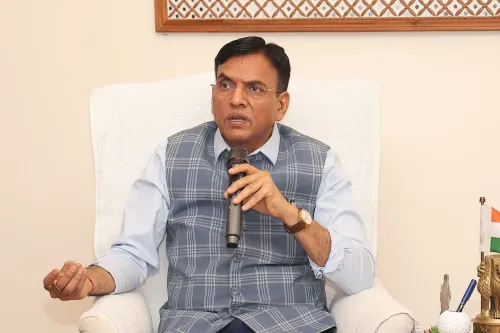
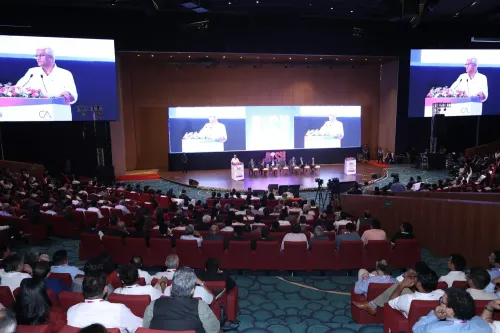
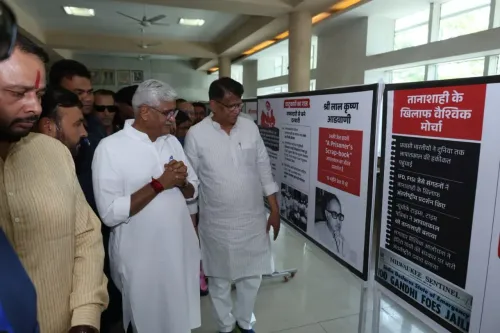
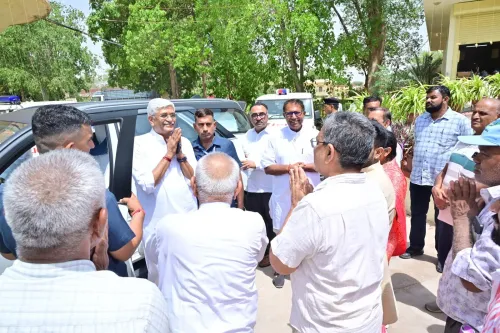
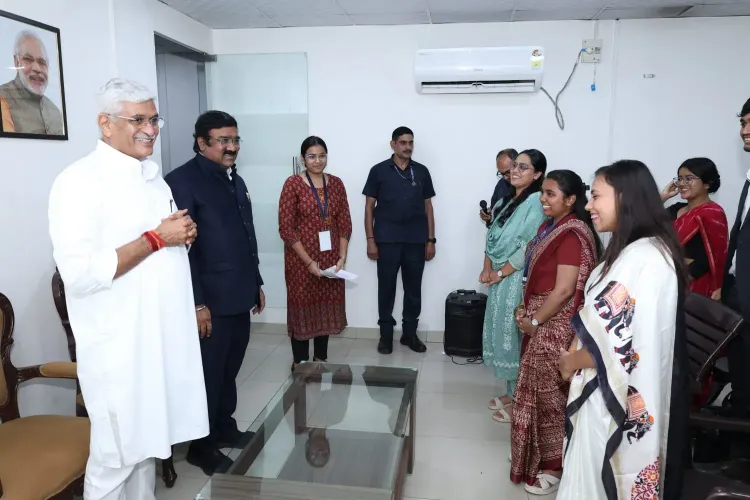
India's youngest policy thinkers got a direct line to the Cabinet on Wednesday, 12 August 2026 — and Union Culture and Tourism Minister Gajendra Singh Shekhawat came away impressed. At his official residence-cum-office in New Delhi, Shekhawat hosted a dialogue with young fellows under the MP LEAD Fellowship programme, joined by Rajya Sabha MP Dr. Ajit Gopchade in a special capacity.
Sharing the moment on X, Shekhawat wrote: 'भारत की नई पीढ़ी विकास में संस्कृति की महत्ता को बखूबी समझती है' — 'India's new generation understands well the importance of culture in development.' He noted that the youth brought both a logical perspective and a genuine curiosity about subjects like tourism, calling the exchange 'a wonderful meeting inspired by new ideas that will be remembered.'
Culture meets development: what the young fellows brought to the table
The Minister's framing was deliberate. By opening with the line about culture's role in development — not just heritage preservation — Shekhawat signalled a broader policy lens: tourism as an economic engine, and cultural literacy as the fuel. The Ministry of Culture and Tourism has increasingly positioned India's heritage network as a driver of local livelihoods, and conversations like this one feed directly into that narrative.
Dr. Ajit Gopchade, the Rajya Sabha MP whose presence the minister specifically acknowledged, lent the session a cross-chamber, cross-constituency dimension — a reminder that youth outreach on culture and tourism is not confined to any single region's political agenda.
MP LEAD Fellowship and the push for youth-led policy thinking
The MP LEAD Fellowship is a parliamentary fellowship initiative designed to embed young professionals in the offices of sitting Members of Parliament, giving them exposure to governance, policy research, and legislative processes. Sessions like today's — where fellows get direct face time with a Union Minister — represent the programme's highest-value proposition: unmediated dialogue between emerging voices and decision-makers.
Shekhawat's enthusiasm was unambiguous. The meeting, he said, would stay with him — a rare personal note from a minister who tends to speak in policy terms. That warmth matters: it signals that the Ministry is not just tolerating youth input but actively soliciting it as the government shapes its next phase of cultural and tourism policy.
Whether this dialogue translates into concrete programme inputs — a fellowship report, a policy brief, a follow-up consultation — will be the real test of its impact. For now, the message from New Delhi is clear: India's cultural future is being discussed with the generation that will live it.
Point of View
And recruiting youth voices to legitimise that shift. Shekhawat's personal warmth toward the fellows — unusual in ministerial communications — suggests the government sees youth-facing outreach as politically as well as policy-relevant ahead of future electoral cycles. The presence of a Rajya Sabha MP signals an effort to build cross-chamber consensus around the culture-tourism-economy triangle. Whether the MP LEAD Fellowship produces actionable policy inputs or remains a goodwill exercise will determine its long-term credibility.
NationPress
12 Aug 2026
Frequently Asked Questions
What is the MP LEAD Fellowship in India?
The MP LEAD Fellowship is a parliamentary fellowship that places young professionals in the offices of sitting Members of Parliament, giving them hands-on exposure to governance and policy processes.
Who is Gajendra Singh Shekhawat?
Gajendra Singh Shekhawat is the Union Minister of Culture and Tourism, a senior BJP leader, and a Lok Sabha MP representing Jodhpur, Rajasthan.
Who is Dr. Ajit Gopchade?
Dr. Ajit Gopchade is a Rajya Sabha MP who was present in a special capacity at the MP LEAD Fellowship youth dialogue hosted by Minister Shekhawat on 12 August 2026.
What did Shekhawat say about Indian youth and culture?
Shekhawat said India's new generation understands the importance of culture in development and brings both a logical perspective and genuine curiosity about tourism, calling the meeting 'wonderful and memorable.'
Where was the MP LEAD Fellowship youth dialogue held?
The dialogue was held at Minister Shekhawat's official government residence-office in New Delhi on 12 August 2026 .