Pralhad Joshi Reviews Onion Buffer Stock, Disposal Strategy

Synopsis
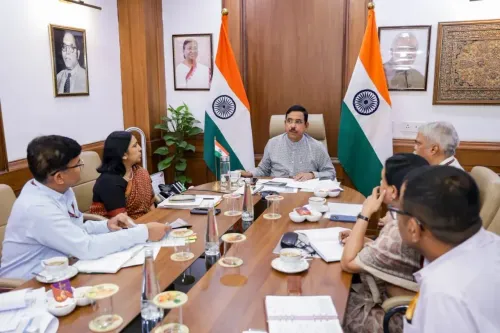
Union Consumer Affairs Minister Pralhad Joshi chaired a review of onion buffer stock procurement, storage, and disposal on 12 August 2026, directing close monitoring and coordinated action to keep retail onion prices stable for consumers.
Key Takeaways
Pralhad Joshi chaired a meeting with the Secretary, Department of Consumer Affairs on 12 August 2026 to review onion stock operations.
The meeting covered procurement, storage levels, disposal strategy, and current market conditions.
Joshi directed 'close monitoring and coordinated action' to strengthen market stability.
The Department of Consumer Affairs has maintained onion buffer stocks via agencies like NAFED since the early 2010s to counter seasonal price spikes.
The Jago Grahak Jago consumer awareness campaign is part of the department's outreach strategy alongside the supply-side intervention.
Festival season and monsoon-related supply pressures make the timing of stock releases the critical variable to watch.
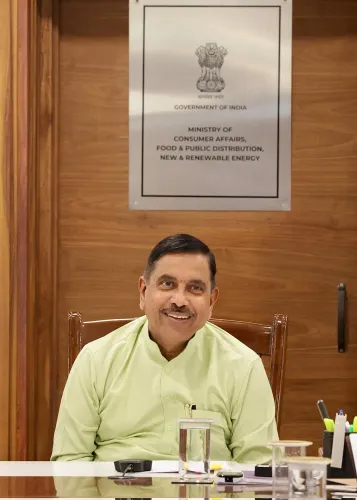
Onions — the vegetable that has toppled governments and emptied kitchen budgets — are back under the government's direct watch. Union Consumer Affairs Minister Pralhad Joshi on Wednesday, 12 August 2026 chaired a high-level review meeting with the Secretary of the Department of Consumer Affairs to assess procurement operations, storage levels, and the disposal strategy for onion buffer stocks.
What the review covered
The meeting deliberated on current market conditions and the government's approach to releasing stocks in a manner that keeps retail prices in check. Joshi emphasised 'close monitoring and coordinated action to strengthen market stability,' according to his post, tagging the department's consumer awareness handle @jagograhakjago — a signal that price transparency and consumer outreach are part of the communication strategy.
India's onion buffer: a decades-old pressure valve
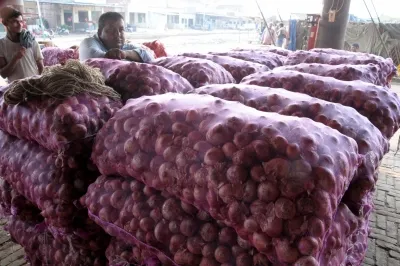
The Department of Consumer Affairs has maintained onion buffer stocks through procurement agencies such as NAFED since the early 2010s, building a playbook that governments of all stripes have reached for during price emergencies. The logic is straightforward: buy in bulk when prices are low, store strategically, release into the market when retail prices spike — particularly ahead of festivals or when the monsoon disrupts supply chains.
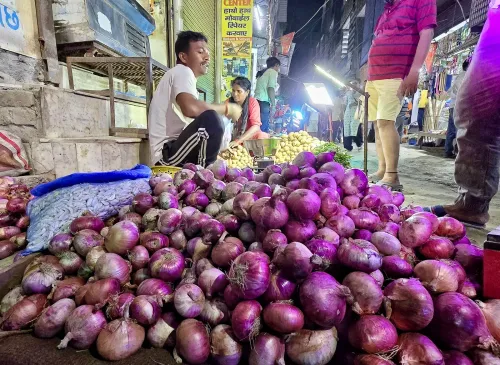
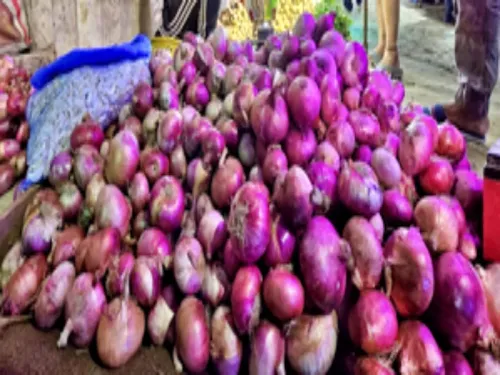
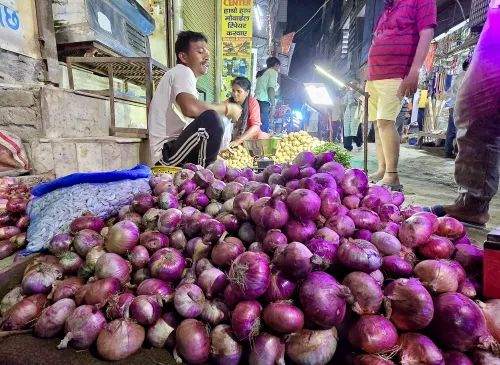
Onion prices are acutely sensitive to weather patterns, export policy shifts, and seasonal harvest cycles. A single bad crop season in key growing states like Maharashtra and Karnataka can send wholesale prices surging within weeks, triggering immediate political pressure on the ruling party.
Disposal strategy: the critical variable
The focus on a 'disposal strategy' is the operative phrase here. Procuring and storing onions is only half the intervention — releasing them at the right time, in the right quantities, and through the right channels determines whether the buffer actually holds retail prices down. A poorly timed or poorly distributed release can leave consumers paying peak prices while government stock sits in warehouses.
The Jago Grahak Jago campaign, the department's flagship consumer awareness initiative, provides a direct communication channel to inform buyers about price trends and availability — adding a demand-side layer to the supply-side intervention being reviewed.
With festival season approaching and monsoon supply dynamics still in play, the government's next move on stock releases — and the retail price data that follows — will be the real test of whether this review translates into stability at the vegetable counter.
Point of View
And Joshi's decision to chair a formal review — rather than delegate — signals that the government is treating any potential price surge as a high-priority risk ahead of the festival season. The emphasis on a 'disposal strategy' rather than just procurement suggests the buffer stock is already in place and the question is now one of market timing. This fits a broader pattern where the ruling party uses visible ministerial action on essential commodities to pre-empt voter anger over food inflation. The real measure of this intervention will be retail price data in the weeks ahead.
NationPress
27 Sept 2026
Frequently Asked Questions
Why is the government holding onion buffer stocks?
The government procures and stores onions through agencies like NAFED to release them into the market when retail prices spike, particularly during monsoon supply disruptions or ahead of festival seasons when demand rises.
What did Pralhad Joshi's onion review meeting decide?
The meeting reviewed procurement operations, storage levels, and a disposal strategy for existing onion buffer stocks. Joshi directed close monitoring and coordinated action to ensure stable retail prices, though specific stock volumes or release timelines were not disclosed.
What is NAFED's role in onion price control?
NAFED, the National Agricultural Cooperative Marketing Federation, is one of the key government agencies used to procure onions in bulk at farm level and store them for strategic market releases to moderate retail prices.
What is Jago Grahak Jago?
'Jago Grahak Jago' is a consumer awareness campaign run by the Department of Consumer Affairs to inform citizens about their rights, market prices, and fair trade practices.
Why do onion prices fluctuate so much in India?
Onion prices in India are highly sensitive to monsoon rainfall, harvest cycles in key growing states like Maharashtra and Karnataka, and export policy changes — any disruption can cause retail prices to surge sharply within weeks.