Shekhawat rallies India behind Har Ghar Tiranga on eve of Independence Day
Synopsis
Union Culture and Tourism Minister Gajendra Singh Shekhawat on 14 August 2026 called for a tricolour in every home and every heart, amplifying the Har Ghar Tiranga campaign — first launched in 2022 under Azadi Ka Amrit Mahotsav — on the eve of Independence Day.
Key Takeaways
Gajendra Singh Shekhawat , Union Culture and Tourism Minister, posted the Har Ghar Tiranga rallying call on 14 August 2026 .
The slogan — 'A tricolour in every home, a tricolour in every heart' — was shared with a video and the hashtag #HarGharTiranga .
Har Ghar Tiranga was launched in 2022 as part of Azadi Ka Amrit Mahotsav , marking 75 years of Indian independence.
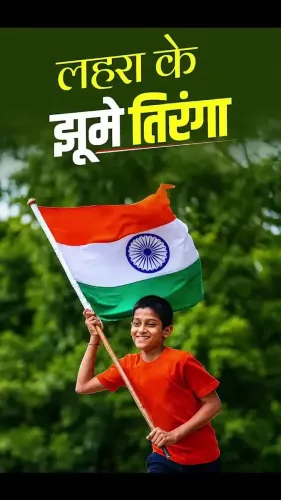
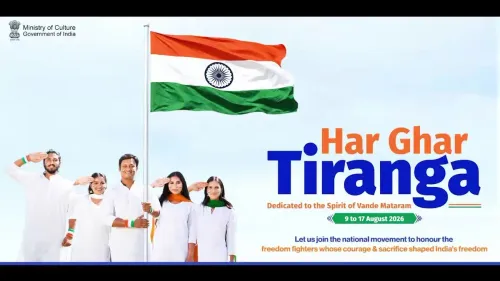
The campaign is run by the Ministry of Culture and encourages citizens to hoist the national flag in private homes and premises.
The post comes during the peak activation window — the 48 hours before Independence Day on 15 August .
On the eve of Independence Day, Union Culture and Tourism Minister Gajendra Singh Shekhawat called on every Indian household to hoist the tricolour, amplifying the government's annual Har Ghar Tiranga campaign with a sharp, two-line rallying cry on 14 August 2026.
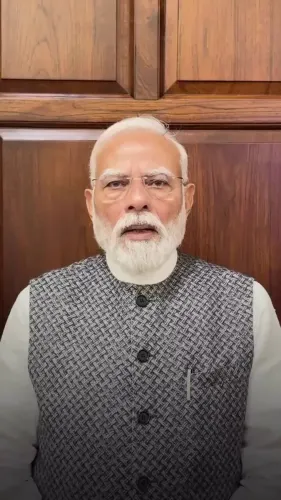
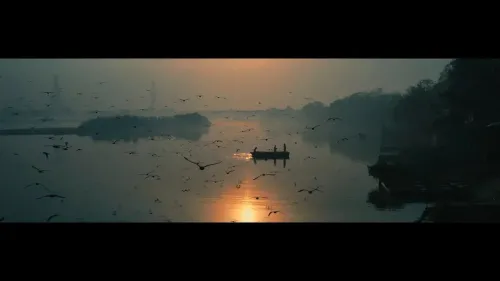
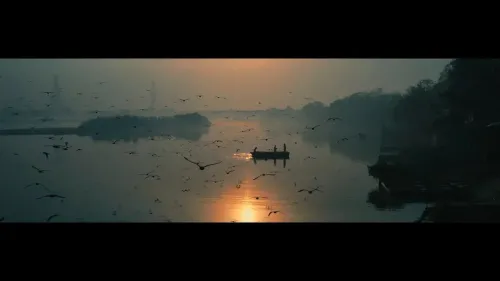
Posting on X, Shekhawat wrote: 'Har ghar Tiranga, har dil Tiranga!' — 'A tricolour in every home, a tricolour in every heart' — alongside the campaign's official hashtag #HarGharTiranga, accompanied by a video.
A campaign born from Azadi Ka Amrit Mahotsav
Har Ghar Tiranga was first launched in 2022 under the Azadi Ka Amrit Mahotsav umbrella, which marked 75 years of Indian independence. The Ministry of Culture conceived it as a citizen-participation drive — moving the tricolour from institutional flagpoles into private homes, balconies, and storefronts across the country.
As the minister responsible for the campaign, Shekhawat has become its most prominent public voice. His post lands exactly when the drive is at its peak: the 48-hour window before 15 August, when flag installations are most visible and civic energy runs highest.
Symbol, scale, and the ministry's wider push
The campaign sits inside a broader Ministry of Culture strategy to anchor national identity in everyday civic life — not just in state ceremonies. By urging citizens to physically place the flag in their homes, the government frames patriotism as an active, participatory gesture rather than a passive one.
Public reporting on household flag installations and Independence Day events across the country will give the clearest measure of how widely the call has been answered this year.
Four years on from its launch, Har Ghar Tiranga has become a fixture of the August calendar — and Shekhawat's post is the ministry's loudest signal yet that the 2026 edition is fully under way. The tricolour, it seems, is not just a flag. It is the government's chosen metaphor for belonging.
Point of View
The question is no longer whether the campaign runs, but how deeply it has embedded itself in ordinary Indian households beyond urban centres.
NationPress
14 Aug 2026
Frequently Asked Questions
What is the Har Ghar Tiranga campaign?
Har Ghar Tiranga is a nationwide government campaign urging Indian households to hoist the national tricolour, particularly around Independence Day. It was launched in 2022 by the Ministry of Culture as part of Azadi Ka Amrit Mahotsav, which celebrated 75 years of Indian independence.
Who launched Har Ghar Tiranga?
The campaign was launched in 2022 under the Azadi Ka Amrit Mahotsav initiative, with the Ministry of Culture as the nodal ministry. Union Culture and Tourism Minister Gajendra Singh Shekhawat is currently its most prominent public advocate.
When did Gajendra Singh Shekhawat post about Har Ghar Tiranga in 2026?
Shekhawat posted on 14 August 2026 — the eve of Independence Day — calling for a tricolour in every home and every heart, along with a video and the hashtag #HarGharTiranga.
What does 'Har Ghar Tiranga, Har Dil Tiranga' mean?
The phrase translates from Hindi as 'A tricolour in every home, a tricolour in every heart.' It is the central slogan of the Ministry of Culture's Har Ghar Tiranga campaign.
What is Azadi Ka Amrit Mahotsav?
Azadi Ka Amrit Mahotsav was a government-led national celebration marking 75 years of Indian independence. It ran from 2021 to 2023 and served as the platform under which Har Ghar Tiranga was first introduced in 2022.