Ashish Shelar dares Rahul Gandhi to explain Congress' stand on electoral roll SIR
Synopsis
Maharashtra BJP minister Ashish Shelar turned the tables on Rahul Gandhi over the SIR electoral roll controversy — pointing to 12 instances of Congress overseeing the same process when in power. The charge: Congress is manufacturing public doubt about a mechanism it once accepted, while keeping an estimated three crore ineligible voters on the rolls.
Key Takeaways
Maharashtra Cultural Affairs Minister Ashish Shelar on 17 November 2026 challenged Rahul Gandhi to explain Congress' position on the Special Intensive Revision (SIR) of electoral rolls.
Shelar alleged that Congress conducted the SIR process 12 times during its own tenure without raising any objections.
He questioned why Gandhi, as Leader of the Opposition , had not raised the issue in Parliament rather than filing a Supreme Court petition.
Shelar accused Congress of trying to protect approximately three crore ineligible or illegal voters from being removed from electoral rolls.
He challenged Congress to answer six specific questions publicly, countering the 39 questions Congress had posed about the SIR process.
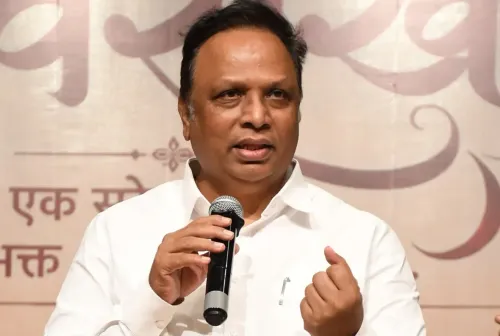
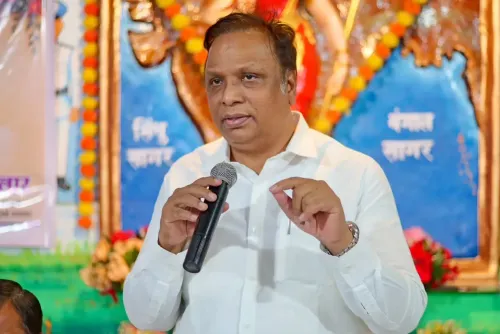
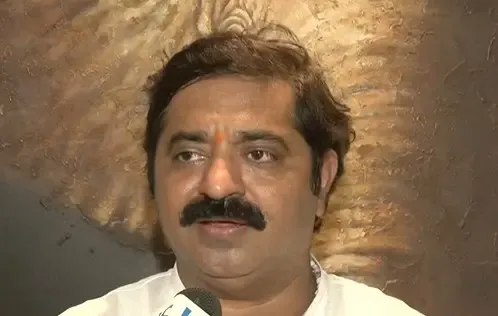
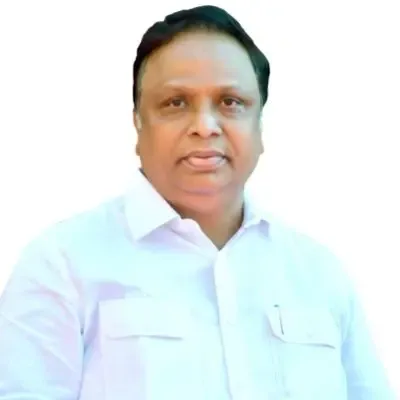
Maharashtra Cultural Affairs Minister and senior Bharatiya Janata Party (BJP) leader Ashish Shelar on Tuesday, 17 November 2026, challenged Leader of Opposition in Lok Sabha Rahul Gandhi to publicly explain the Congress party's position on the Special Intensive Revision (SIR) of electoral rolls, accusing the opposition of manufacturing confusion and suspicion around a process that Congress itself oversaw multiple times when in power.
Shelar's Central Charge
Minister Shelar alleged that Congress and Rahul Gandhi are 'deliberately attempting to create an atmosphere of doubt and suspicion' around the SIR exercise, even as the party has filed a petition in the Supreme Court challenging the process. He questioned why Congress chose to approach the courts rather than raise its objections on the floor of Parliament, where Gandhi holds the constitutionally significant position of Leader of the Opposition.
'While filing a petition in the Supreme Court is their right, why have they not raised these very questions in the Parliament?' Shelar said, addressing reporters in Mumbai.
The 12-Times Argument
Central to Shelar's counter-offensive is a historical challenge: he claimed that the SIR process was conducted 12 times during Congress-led governments, yet no objections were raised at that time. 'During its tenure in power, the Congress oversaw the SIR process not once or twice, but 12 times. Why did it not raise the questions and suggestions being put forward today back then? If the process was acceptable then, how has the very same process suddenly become unacceptable now?' he asked.
He further pressed Congress to disclose how many times its own Booth Level Officers (BLOs) had raised demands, filed complaints, or submitted suggestions about the SIR process at various levels of the election machinery — and how many voters its Booth Level Agent-2 (BLA-2) representatives had informed about their appeal rights.
Constitutional and Appointment Questions
Shelar broadened his attack to include Congress's historical record on electoral laws and institutional appointments. He asked Gandhi to clarify how many amendments Congress made to the Representation of the People Act and the Indian Constitution's voter-eligibility provisions during its years in government. He also questioned the process by which Chief Election Commissioners were appointed under Congress-led administrations, alleging those appointments were made through Cabinet decisions or on the government's recommendations — without the multi-member committee that Congress now appears to advocate.
Allegation of Protecting Ineligible Voters
In a pointed accusation, Shelar alleged that by opposing the SIR, Congress and Gandhi were effectively working to keep the names of approximately three crore illegal or ineligible voters on the electoral rolls. He asked directly whether Congress's position was that non-Indian citizens and ineligible voters should not have their names removed. 'Creating unnecessary confusion among the public is equally unjustified,' he said, while acknowledging that the legal dispute would be settled in court.
Six Questions, A Public Demand
Shelar concluded by challenging Rahul Gandhi and Congress leaders in Maharashtra to answer the six specific questions he raised — mirroring the 39 questions Congress had reportedly put to the Election Commission about the SIR process. 'The legal battle will be fought in court, but questions raised by the people must be answered before the people,' he asserted. The escalating war of words reflects deepening tensions ahead of what analysts expect to be a contentious electoral roll revision cycle.
Point of View
While rhetorically potent, does not by itself validate the current SIR's methodology; a practice repeated by one party does not automatically make it immune from legal challenge by another. The deeper issue — whether the SIR process as currently designed adequately safeguards legitimate voters from wrongful deletion — has not been addressed by either side. The Supreme Court petition, not the press conference, is where that answer will ultimately matter.
NationPress
17 Nov 2026
Frequently Asked Questions
What is the Special Intensive Revision (SIR) of electoral rolls?
The Special Intensive Revision (SIR) is a periodic exercise conducted by the Election Commission of India to update and clean up electoral rolls — adding eligible voters and removing ineligible or deceased ones. It has reportedly been conducted 12 times during Congress-led governments and is now at the centre of a political and legal dispute.
Why is Rahul Gandhi opposing the SIR process?
Congress, led by Rahul Gandhi, has reportedly filed a petition in the Supreme Court raising 39 questions about the SIR process, alleging it could lead to wrongful deletions of voter names. Gandhi and the party argue the process lacks adequate safeguards and is being conducted in a manner that could disenfranchise legitimate voters.
What six questions has Ashish Shelar posed to Congress?
Shelar has not publicly listed the six questions in a numbered format, but they broadly cover: why Congress did not raise objections during its own 12 SIR exercises; how many voters Congress's BLA-2 representatives informed about their rights; what amendments Congress made to electoral laws during its tenure; how Election Commissioners were appointed under Congress governments; and whether Congress's current stance implies ineligible voters should stay on rolls.
How does the SIR process allow voters to appeal?
According to Shelar, voters and political parties' Booth Level Agent-2 (BLA-2) representatives are given the opportunity to raise objections and seek hearings during the SIR process. Voters can avail themselves of up to four opportunities for appeals or hearings under the existing framework.
What happens next in the Congress-BJP dispute over electoral rolls?
The Congress petition before the Supreme Court is expected to proceed through the judicial process. Meanwhile, the BJP has mounted a public counter-offensive, with Shelar demanding that Gandhi answer the party's historical record questions openly. The outcome of the Supreme Court case could set parameters for how the SIR is conducted going forward.