Ashish Shelar calls Rahul Gandhi's MPSC protest remarks 'childish'
Synopsis
Maharashtra Minister Ashish Shelar publicly dismissed Rahul Gandhi's celebration of the MPSC chairperson going on leave as a student victory, calling the remarks 'childish' and invoking Ambedkar's 'grammar of anarchy' to argue that street politics is unconstitutional when democratic avenues exist. The exchange sharpens the BJP-Congress fault line over Maharashtra's high-stakes competitive exam protests.
Key Takeaways
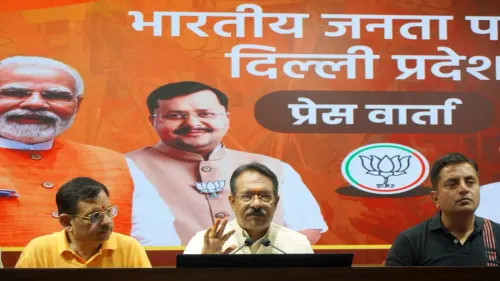
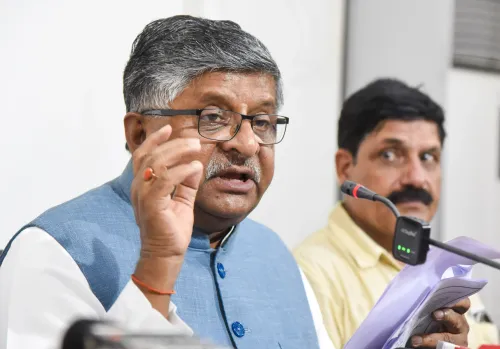
Maharashtra Minister Ashish Shelar on 12 October called Rahul Gandhi's MPSC protest remarks “childish” at the Mumbai Press Club .
Shelar rejected Gandhi's framing that the MPSC chairperson going on leave was a student Satyagraha victory, asserting the ruling alliance also stood by aspirants.
He urged Gandhi to use Parliament floor debates or Supreme Court petitions rather than street demonstrations to raise issues.
Ambedkar's 25 November 1949 Constituent Assembly address and the “grammar of anarchy” warning to argue against civil disobedience when democratic avenues are available.
Legal matters related to the MPSC are currently pending before courts; Shelar stressed all parties must await judicial verdicts.
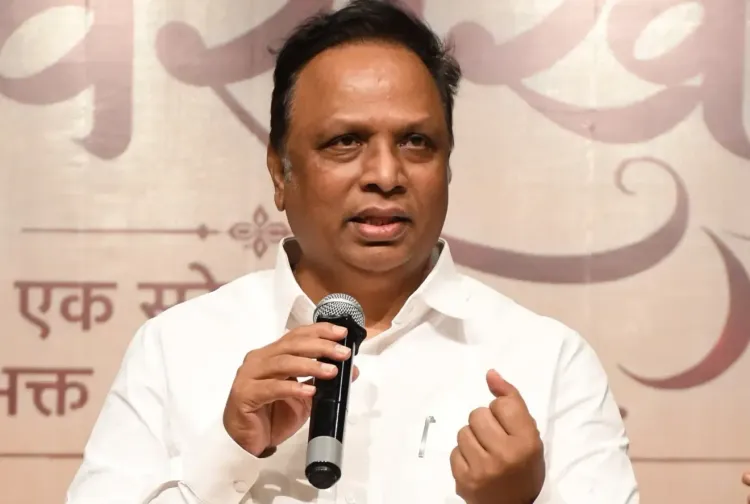
Maharashtra Minister and senior Bharatiya Janata Party (BJP) leader Ashish Shelar on Monday, 12 October launched a sharp broadside against Leader of the Opposition in the Lok Sabha, Rahul Gandhi, branding his comments on the Maharashtra Public Service Commission (MPSC) student protests as “childish” and accusing the Opposition of pursuing unconstitutional street politics.
What Shelar Said at the Mumbai Press Club
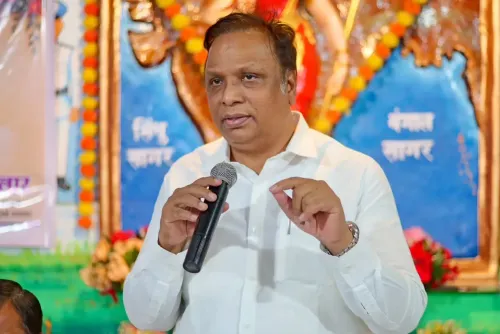
Speaking directly to reporters at the Mumbai Press Club, Shelar firmly rejected Gandhi's claim that the MPSC chairperson's decision to go on leave amounted to a victory for protesting students and their Satyagraha. “Gandhi’s comments are childish. We were also with the students; thus, it is also our victory,” Shelar declared, arguing that resolving candidate grievances was a collective priority, not a partisan achievement.
The minister contended that the Maharashtra government and its ruling alliance had stood consistently by the agitating aspirants, and that credit could not be claimed unilaterally by the Opposition.
Constitutional Avenues vs Street Politics
Shelar urged political leaders to respect established institutional procedures rather than incite public unrest. He argued that as Leader of the Opposition, Gandhi should channel concerns through legitimate mechanisms — floor debates in Parliament, legal petitions before the Supreme Court, or judicial review — rather than by staging street demonstrations.
Noting that legal matters related to MPSC are currently pending before courts, Shelar stressed that all parties must await judicial verdicts. Creating widespread agitation and “storming streets,” he warned, poses a serious threat to national stability and governance.
Shelar Invokes Ambedkar's 'Grammar of Anarchy'
To underscore his argument, Shelar invoked B. R. Ambedkar's historic final address to the Constituent Assembly on 25 November 1949. He recalled Ambedkar's stark warning about the “grammar of anarchy” — the danger of abandoning constitutional methods in favour of civil disobedience once democratic avenues are available.
Drawing a contrast with his own party's history, Shelar cited the BJP's decades in opposition, noting that while the party led major national movements over issues such as the Ram Temple, Jammu and Kashmir, and student rights, it consistently operated within institutional frameworks without “storming Parliament or invading the Prime Minister’s official residence.”
On Accusations of Authoritarianism
Addressing Opposition allegations of authoritarianism under Prime Minister Narendra Modi's government, Shelar pointed to large-scale public demonstrations — including sustained farmer protests — as proof that democratic freedoms remain active in India. He reiterated that political rivalries must be resolved through democratic dialogue, court rulings, and parliamentary debate, rather than by undermining public institutions.
Background: The MPSC Protest
The dispute centres on student protests against the MPSC over examination-related grievances, which gained fresh political momentum after the commission chairperson proceeded on leave. Rahul Gandhi had framed that development as a vindication of the students' Satyagraha — a characterisation Shelar's remarks were directly aimed at countering. This comes amid a broader pattern of the ruling alliance and the Opposition trading barbs over who genuinely champions Maharashtra's competitive examination aspirants.
Point of View
The BJP reclaims constitutional legitimacy on an issue — student protest and public service examinations — where the Opposition has been gaining ground. The 'grammar of anarchy' framing is a high-stakes rhetorical gambit, but it cuts both ways: using Ambedkar to deflect accountability for exam-process failures risks appearing tone-deaf to the genuine grievances driving MPSC aspirants onto the streets. The real question Maharashtra's ruling alliance has yet to answer is not whether protests are constitutional, but why the MPSC crisis reached a point where a chairperson going on leave could be read as a political concession at all.
NationPress
12 Oct 2026
Frequently Asked Questions
What did Ashish Shelar say about Rahul Gandhi's MPSC remarks?
Maharashtra Minister Ashish Shelar called Rahul Gandhi's remarks on the MPSC student protests “childish,” rejecting Gandhi's claim that the MPSC chairperson going on leave was a victory for the students' Satyagraha. Shelar argued that the ruling alliance also supported the agitating aspirants and that credit could not be claimed solely by the Opposition.
What is the MPSC protest about?
The Maharashtra Public Service Commission (MPSC) protest involves students agitating over examination-related grievances. The controversy intensified after the MPSC chairperson went on leave, which Rahul Gandhi described as a vindication of the students' Satyagraha, a claim the Maharashtra government disputes.
Why did Shelar invoke B. R. Ambedkar in his remarks?
Shelar cited Ambedkar's final address to the Constituent Assembly on 25 November 1949, specifically the warning about the 'grammar of anarchy' — the danger of resorting to civil disobedience when democratic avenues like Parliament and courts are available. He used the reference to argue that street protests by the Opposition are unconstitutional given existing legal and legislative mechanisms.
What legal avenues did Shelar recommend for raising MPSC issues?
Shelar urged Rahul Gandhi to raise MPSC-related concerns through floor debates in Parliament, legal petitions before the Supreme Court, or judicial review proceedings. He noted that legal matters are currently pending before courts and stressed that all parties should await judicial verdicts rather than provoking public unrest.
How has the BJP responded to accusations of authoritarianism under the Modi government?
Shelar pushed back against such accusations by pointing to large-scale public demonstrations — including sustained farmer protests — as evidence that democratic freedoms remain intact in India. He maintained that the government's record shows it does not suppress legitimate dissent expressed through constitutional means.