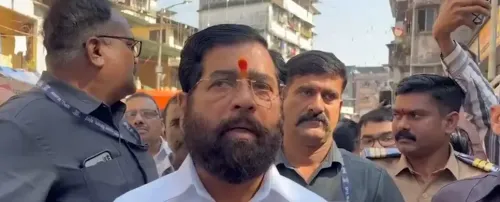
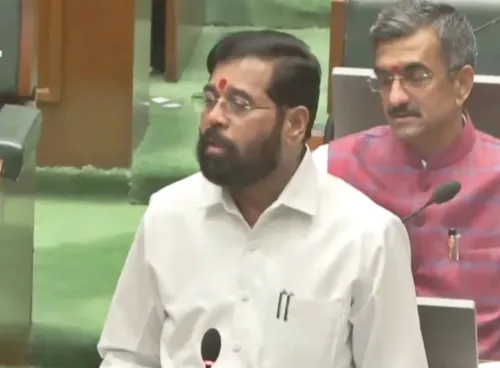
Eknath Shinde vows rights, dignity for Maharashtra's denotified tribes
Synopsis
Maharashtra Deputy CM Eknath Shinde used a landmark convention marking the 1952 repeal of the Criminal Tribes Act to announce a nationwide movement uniting 52 denotified and nomadic tribes — promising not charity but constitutional rights, with fresh pledges on documentation, welfare, and a state-hosted cultural conclave.
Key Takeaways
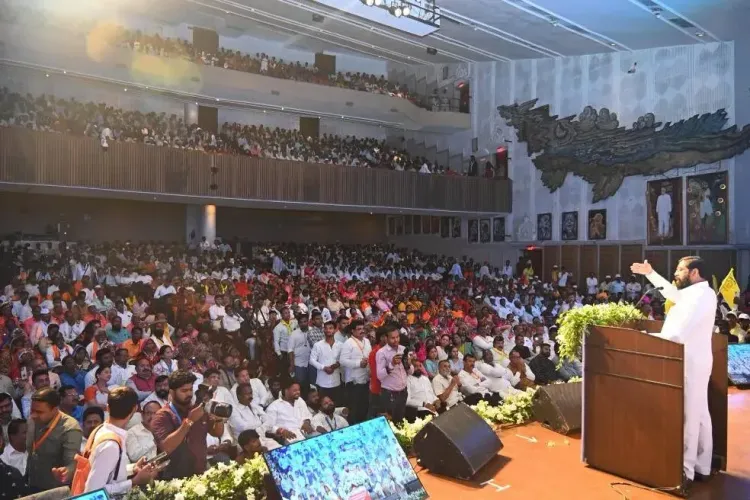
Eknath Shinde addressed the Shiv Sena DNT Rights, Justice, and Development Convention 2026 in Mumbai on 31 August 2026 .
He announced a nationwide movement to unite 52 nomadic and denotified tribes to assert their constitutional rights.
The government pledged to resolve documentation hurdles — caste certificates, voter IDs, ration cards — and improve access to housing, healthcare, and education.
Key youth initiatives include free competitive exam coaching, scholarships, health insurance, startup support , and skill development.
The state will host a large-scale cultural conclave to preserve and promote the traditional art and heritage of nomadic communities.
Shinde reaffirmed continuation of the Ladki Bahin Yojana and strengthening of the Vasantrao Naik Vimukta Jati and Nomadic Tribes Development Corporation .
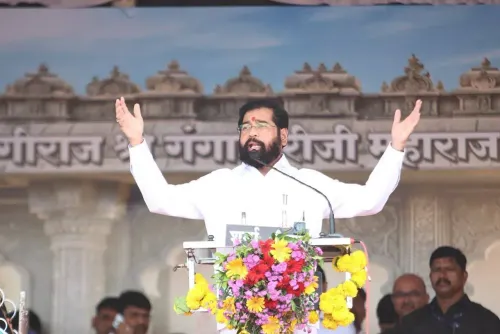
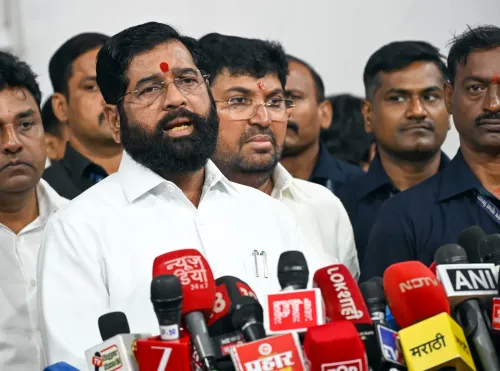
Maharashtra Deputy Chief Minister Eknath Shinde on Monday, 31 August 2026, declared that denotified and nomadic communities do not need sympathy — they need their constitutional rights, dignity, and justice. Speaking at the Shiv Sena Nomadic and Denotified Tribes (DNT) Rights, Justice, and Development Convention 2026 in Mumbai, Shinde pledged the state government's full commitment to ensuring these communities lead a stable, worry-free life.
A Historic Day for Denotified Communities
Shinde recalled the dark legacy of the British-era Criminal Tribes Act, under which working-class nomadic communities were unjustly branded as 'born criminals.' He noted that on 31 August 1952, these communities were finally freed from that stigma — making the date a milestone of freedom, self-respect, and struggle.
'The demand is not for favour but for fundamental rights and dignity,' Shinde said, invoking the historic significance of the occasion. He announced that a nationwide movement will be launched by uniting 52 nomadic and denotified tribes across the country.
Key Pledges and Government Initiatives
Acknowledging persistent administrative hurdles faced by these communities — including difficulties obtaining caste certificates, voter IDs, ration cards, and other identity documents — Shinde committed the government's full support to resolving these issues. He also pledged improved access to housing, healthcare, education, and employment.
Among the initiatives highlighted for the youth: free competitive exam coaching, educational scholarships, health insurance, financial assistance for self-employment, skill development programmes, and startup support. Shinde further committed to strengthening the Vasantrao Naik Vimukta Jati and Nomadic Tribes Development Corporation and its schemes.
Cultural Preservation and Economic Recognition
To celebrate the traditional art, handicrafts, and cultural heritage of nomadic tribes, Shinde announced that the state will host a large-scale cultural conclave to provide artists with a prominent platform and financial encouragement. He also acknowledged the community's historical contributions to the rural economy.
A Call for Unity and Transformation
Invoking B.R. Ambedkar's rallying cry — 'Educate, Agitate, Organise' — Shinde urged the 52 communities to maintain unified strength. 'Individual fingers point in different directions, but when clenched into a fist, they create formidable strength,' he said.
Shinde stressed that the convention's goal was not merely a show of strength but tangible transformation on the ground, encouraging the youth to become 'change-makers' in education, entrepreneurship, and leadership. He also reaffirmed the continuation of welfare schemes such as the Ladki Bahin Yojana, asserting that the development of farmers, workers, and underprivileged sections remains the government's top priority.
With a nationwide movement in the works and fresh commitments on documentation, welfare, and cultural recognition, the denotified and nomadic communities of Maharashtra will be watching closely to see how these pledges translate into policy action.
Point of View
Yet caste certificate delays and identity-proof gaps remain endemic. The real test is whether the Vasantrao Naik Corporation gets a meaningful budget upgrade or remains a symbolic body. A nationwide movement uniting 52 communities sounds ambitious, but without a clear legislative or administrative roadmap, it risks being convention rhetoric rather than a constitutional commitment.
NationPress
15 Oct 2026
Frequently Asked Questions
What did Eknath Shinde announce for denotified tribes at the convention?
Deputy Chief Minister Eknath Shinde announced a nationwide movement uniting 52 nomadic and denotified tribes to secure their constitutional rights, alongside pledges on free coaching, scholarships, health insurance, startup support, and a large-scale cultural conclave. He also committed to strengthening the Vasantrao Naik Vimukta Jati and Nomadic Tribes Development Corporation.
Why is 31 August significant for denotified communities in India?
On 31 August 1952, denotified and nomadic communities were formally freed from the stigma of the British-era Criminal Tribes Act, which had branded them as 'born criminals.' The date is observed as a milestone of freedom, self-respect, and struggle for these communities.
What is the Criminal Tribes Act and how did it affect nomadic communities?
The Criminal Tribes Act was a British colonial law that unjustly classified certain working-class nomadic communities as hereditary criminals. It led to systemic discrimination, surveillance, and denial of rights that continued to affect these groups long after Independence, until the Act's repeal in 1952.
Which welfare schemes did Shinde reaffirm for denotified tribes?
Shinde reaffirmed the continuation of the Ladki Bahin Yojana and pledged enhanced capacity under the Vasantrao Naik Vimukta Jati and Nomadic Tribes Development Corporation. He also highlighted free competitive exam coaching, educational scholarships, health insurance, and financial assistance for self-employment.
Who are the denotified and nomadic tribes in Maharashtra?
Denotified tribes (DNTs) are communities that were listed under the British Criminal Tribes Act and later 'denotified' after Independence. Nomadic tribes are communities with a tradition of moving from place to place for their livelihoods. Maharashtra has a significant population of such communities, historically marginalised in access to documentation, housing, and government services.