Shiv Sena backs delimitation bill; Shinde rallies all 15 MPs
Synopsis
Eknath Shinde has locked in all 15 Shiv Sena MPs behind the delimitation bill, a measure that would reportedly expand the Lok Sabha from 543 to 815 seats and lift Maharashtra's tally from 48 to 72. For the NDA, every allied vote counts as the constitutional amendment heads to a special session on 30 November.
Key Takeaways
The Shiv Sena Parliamentary Party unanimously backed the delimitation bill in Mumbai on 28 November 2026 .
Eknath Shinde directed all 15 MPs ( 13 Lok Sabha, two Rajya Sabha) to reach Delhi by Sunday.
The move would pave the way for 33 per cent women's reservation and expand the Lok Sabha from 543 to 815 seats, per details shared at the meeting.
Maharashtra's Lok Sabha seats would reportedly rise from 48 to 72 .
Special sittings are set for 30 November (Lok Sabha) and 2 December (Rajya Sabha).
Shinde said constituency numbers have been frozen since 1976 , with MPs representing 20 to 25 lakh citizens each.
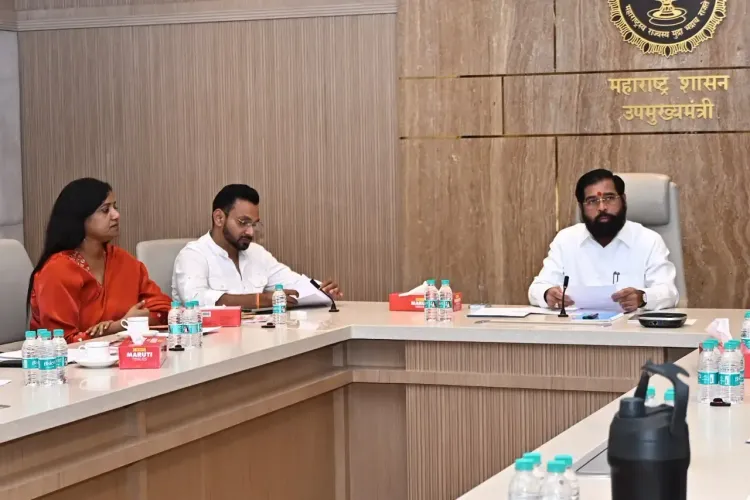
The Shiv Sena Parliamentary Party on Saturday, 28 November 2026, unanimously passed a resolution in Mumbai backing the upcoming Delimitation bill linked to women's reservation. Party chief leader and Maharashtra Deputy Chief Minister Eknath Shinde directed all 15 party MPs to travel to Delhi on Sunday to support what he called a “historic move”. The legislation is set to be tabled during Parliament's special session.
Key Developments at Nandanvan Meeting
The meeting was held at Shinde's official Nandanvan residence in Mumbai and chaired by the Deputy CM himself. All 15 Shiv Sena MPs took part, either in person or virtually.
MPs Shrikant Shinde, Shrirang Appa Barne, Sandipan Bhumre, Naresh Mhaske, Ravindra Waikar, Dhairyasheel Mane, Omraje Nimbalkar, Nagesh Patil Ashtikar, Sanjay Deshmukh, Sanjay Jadhav, Bhausaheb Wakchaure and Jyoti Waghmare attended in person. Union Minister Prataprao Jadhav, MP Milind Deora and MP Sanjay Dina Patil joined via video conference.
Copies of the resolution will be sent to Lok Sabha Speaker Om Birla, Prime Minister Narendra Modi, Union Parliamentary Affairs Minister Kiren Rijiju, Union Law Minister Arjun Ram Meghwal, and senior leaders of the National Democratic Alliance (NDA).
What the Bill Proposes
Special sittings are scheduled for 30 November in the Lok Sabha and 2 December in the Rajya Sabha, where the Union government plans to introduce constitutional amendment and delimitation legislation.
According to details outlined at the meeting, the move would pave the way for 33 per cent reservation for women and expand the Lok Sabha's total strength by 50 per cent, from 543 to 815 seats. Maharashtra's share would reportedly rise from 48 to 72 seats, which Shinde said would strengthen the state's voice in Delhi.
Shinde's Case for Delimitation
Shinde noted that constituency numbers have been frozen since 1976, leaving each MP to represent roughly 20 to 25 lakh citizens today. He argued that redrawing constituencies is necessary to uphold “one person, one vote, one value”, ensure fair representation and support balanced development across rural and urban areas.
He added that smaller constituencies would make MPs more accessible to voters, and that the constitutional amendment would drive political transformation and strengthen democracy.
The NDA and Political Context
Invoking founder Balasaheb Thackeray's principle of prioritising national interest within the Shiv Sena–BJP alliance, Shinde said “Nation First” remains the party's guiding stance, and underlined its place within the NDA.
Citing economic growth under Modi, including a seven per cent GDP growth rate that he said drew praise from US President Donald Trump, Shinde said all 15 MPs (13 in the Lok Sabha and two in the Rajya Sabha) would vote in favour of the bill in both Houses. He framed the vote as strengthening Modi's hands as India moves toward becoming an economic superpower.
Notably, a constitutional amendment requires a special majority in both Houses, making every allied vote significant. All eyes now turn to the Lok Sabha sitting on 30 November, where the bill's first parliamentary test will unfold.
Point of View
And he is selling the bill as much on that as on women's reservation. That framing exposes the fault line the Centre must manage — states that gain seats will cheer, while states with slower population growth, notably in the South, have long feared losing relative weight. The arithmetic also deserves scrutiny: a 50 per cent rise on 543 is not precisely 815, and the formula behind the final number will matter. Shinde's loyalty play also sharpens his contest with the rival Thackeray camp over who owns Balasaheb's legacy.
NationPress
28 Nov 2026
Frequently Asked Questions
Why is the Shiv Sena supporting the delimitation bill?
The Shiv Sena says the bill will enable 33 per cent women's reservation, ensure fair representation and raise Maharashtra's Lok Sabha seats from 48 to 72. Eknath Shinde described it as a “historic move” aligned with the party's “Nation First” stance.
How many Lok Sabha seats will there be after delimitation?
According to details shared at the Shiv Sena meeting, Lok Sabha strength would expand from 543 to 815 seats, described as a 50 per cent increase.
When will the delimitation bill be introduced in Parliament?
Special sittings are scheduled for 30 November 2026 in the Lok Sabha and 2 December 2026 in the Rajya Sabha, where the Union government plans to introduce the constitutional amendment and delimitation legislation.
How many Shiv Sena MPs will vote for the bill?
All 15 Shiv Sena MPs — 13 in the Lok Sabha and two in the Rajya Sabha — will vote in favour, according to Eknath Shinde. They have been directed to reach Delhi by Sunday.
Why are Lok Sabha constituencies being redrawn now?
Constituency numbers have been frozen since 1976, and Shinde said each MP now represents around 20 to 25 lakh citizens. He argued redrawing is needed to uphold “one person, one vote, one value”.