Shivakumar orders zero-tolerance on corruption for Bengaluru's 5 new police chiefs
Synopsis
Karnataka CM Shivakumar summoned Bengaluru's five newly appointed police chiefs to Vidhana Soudha and issued a pointed warning: zero tolerance on corruption, no real estate dealings through police stations, and visible results within a month. With 1.5 crore residents and two lakh foreign nationals, Bengaluru's policing overhaul is as much about global reputation as it is about local safety.
Key Takeaways
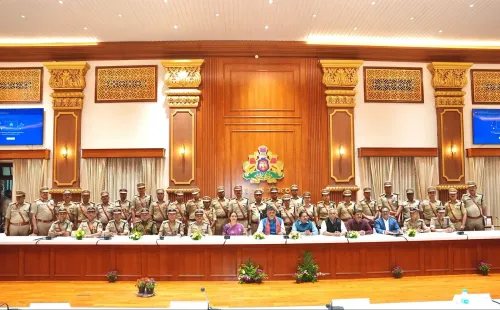
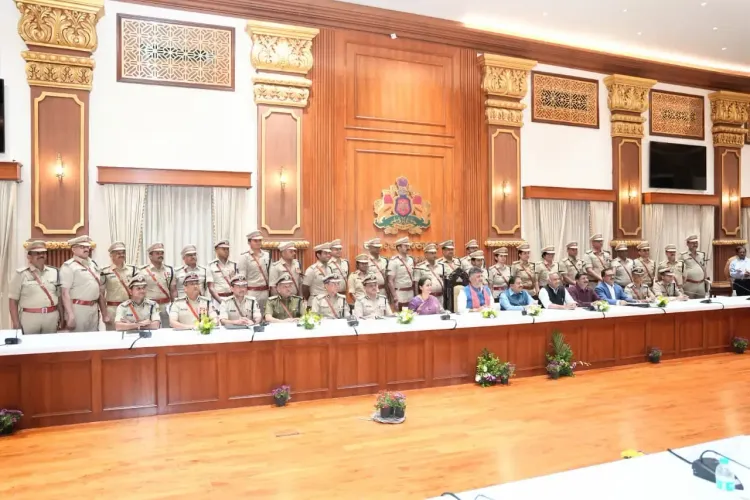
Shivakumar met newly appointed police chiefs of Bengaluru's five commissionerates on 20 November 2026 at Vidhana Soudha .
Officers were directed to adopt a zero-tolerance approach to corruption and prevent real estate rackets from operating through police stations.
Bengaluru's population has grown from 20 lakh to approximately 1.5 crore , prompting the expansion to five commissionerates with hundreds of new posts .
A dedicated anti-rowdy squad under an ADGP-rank officer has been established to tackle organised crime.
Officers were given a one-month deadline to demonstrate visible results on crime control, patrolling, and anti-corruption measures.
Parameshwara and Home Minister Priyank Kharge also addressed the meeting, calling the restructuring a historic step for Bengaluru's policing.
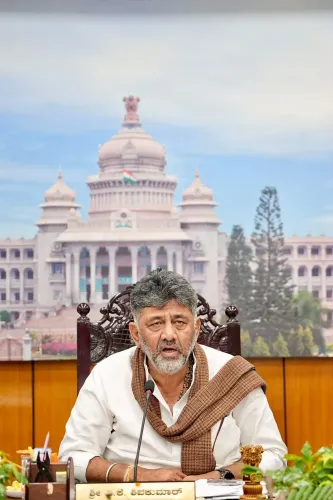
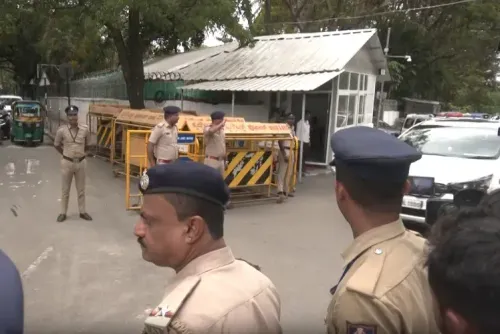
Karnataka Chief Minister D.K. Shivakumar on Friday, 20 November 2026, held a high-level meeting with newly appointed senior police officers heading Bengaluru's five police commissionerates, directing them to enforce a zero-tolerance policy on corruption, dismantle real estate rackets operating through police stations, and maintain firm law and order across the city. The meeting was held at 'Sangama', the renovated auditorium of Vidhana Soudha.
Key Directives from the Chief Minister
Shivakumar called on officers to work as 'Team Bengaluru', stressing that meeting public expectations was a shared responsibility. He pointed out that when Bengaluru's police commissionerate system was first established, the city's population stood at around 20 lakh; it has since grown to approximately 1.5 crore. The expansion to five commissionerates, he said, was designed to match this scale of growth.
'The government expects accountability from you. An efficient policing system in Bengaluru should send a strong message across the state. We have appointed officers based on their performance and given everyone a great opportunity. Learn quickly from past mistakes and ensure that peace is maintained,' Shivakumar said.
He set a clear one-month deadline, asking officers to deliver visible results on crime control, night patrolling, and anti-corruption measures within that timeframe.
Real Estate Rackets, Drugs and Rowdyism in Focus
The Chief Minister was particularly pointed about the nexus between police stations and real estate dealings, warning senior officers that such practices would not be tolerated. He reiterated that rowdies must fear the police and that the khaki uniform must command respect. A dedicated anti-rowdy squad and commissionerate under an officer of Additional Director General of Police (ADGP) rank has already been established, he noted.
Shivakumar reaffirmed the government's commitment to building a drug-free Karnataka, warning that police personnel found involved in drug rackets or extortion would face strict action. He also urged heightened vigilance against cybercrime, online fraud, and economic offences, calling for coordinated use of technology to tackle these threats.
Bengaluru's Global Stakes Underline the Urgency
Highlighting the city's international profile, Shivakumar noted that nearly two lakh foreign nationals were working across various sectors in Bengaluru. Traffic-related issues, he observed, had at times made global headlines — underscoring the reputational stakes for effective policing. The creation of hundreds of new posts and the expansion of jurisdiction into new areas were framed as steps to match the city's rapid growth with adequate policing capacity.
He also directed police to actively monitor social media for fake news and hate speech, and to act swiftly against any attempts to create social unrest.
What Deputy CM and Home Minister Said
Deputy Chief Minister G. Parameshwara, drawing on his eight years of experience heading the Home Department, described the five-commissionerate structure as a historic decision for Bengaluru's policing system. He called on officers to crack down on drug trafficking, rowdyism, and crimes against women, stressing the need to create an environment where women and children could live without fear. He also linked effective law and order directly to investment attraction, saying political stability and policing credibility were essential to protect the city's global reputation.
Home Minister Priyank Kharge said the government's priority was an effective, responsive, and people-centric policing system. He said discussions with senior officers focused on ensuring the smooth functioning of the new police structure and improving public safety city-wide.
What Comes Next
With a one-month performance window now set by the Chief Minister, Bengaluru's new police leadership faces an early accountability test. How quickly the restructured commissionerates translate political mandates into ground-level outcomes — particularly on drug control, cybercrime, and real estate nexus — will shape both public trust and future policy decisions for the state's most consequential city.
Point of View
Neither of which is solved by a stern address at Vidhana Soudha. The directive to monitor social media for 'fake news and hate speech' also deserves scrutiny: without clear legal guardrails, it could slide from public order management into chilling legitimate speech. The test of this overhaul lies not in the reorganisation chart, but in whether officer accountability — transfers, rewards, disciplinary action — is actually tied to the metrics Shivakumar announced today.
NationPress
20 Nov 2026
Frequently Asked Questions
Why did CM Shivakumar meet Bengaluru's new police chiefs?
Chief Minister D.K. Shivakumar met the newly appointed heads of Bengaluru's five police commissionerates on 20 November 2026 to issue operational directives, including a zero-tolerance stance on corruption, action against real estate rackets linked to police stations, and improved law and order management. Officers were given a one-month window to show visible results.
What are Bengaluru's five police commissionerates?
Bengaluru has been restructured into five police commissionerates to manage the city's law and order, each headed by a Police Commissioner reporting under a Chief Commissioner. The expansion — which also added hundreds of new posts and extended jurisdiction to new areas — was driven by the city's population growth from 20 lakh to approximately 1.5 crore.
What specific issues did Shivakumar warn the police about?
Shivakumar warned against corruption at all levels, real estate dealings through police stations, involvement in drug rackets or extortion, and failure to control rowdyism. He also called for vigilance against cybercrime, online fraud, fake news on social media, and hate speech that could cause social unrest.
What role did Deputy CM Parameshwara and Home Minister Kharge play at the meeting?
Deputy CM G. Parameshwara, citing eight years of experience in the Home Department, described the five-commissionerate structure as a historic decision and directed officers to tackle drug trafficking, rowdyism, and crimes against women. Home Minister Priyank Kharge said the government's goal was an effective, responsive, and people-centric policing system for Bengaluru.
How does Bengaluru's police restructuring connect to the city's investment climate?
Deputy CM Parameshwara explicitly linked effective law and order to investment attraction, noting that peace and political stability are prerequisites for Bengaluru to retain its global business reputation. With nearly two lakh foreign nationals working in the city, the stakes for credible policing extend well beyond local crime statistics.