Shivraj Chairs Prep Meet for 'Khet Bachao Abhiyan' from Oct 22
Synopsis
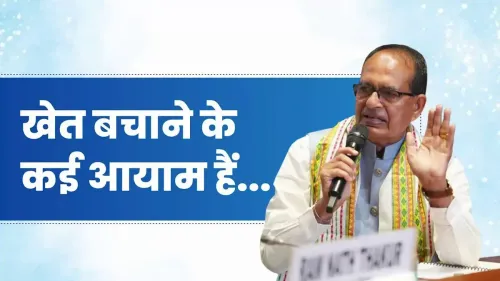
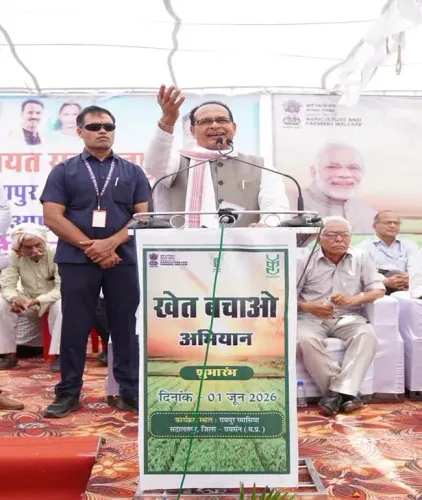
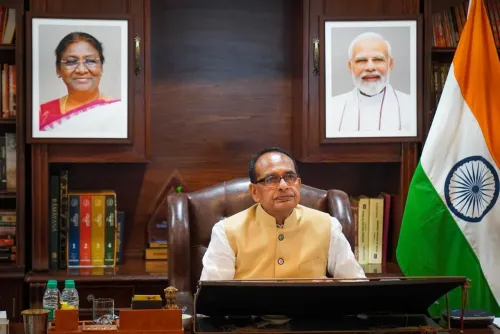
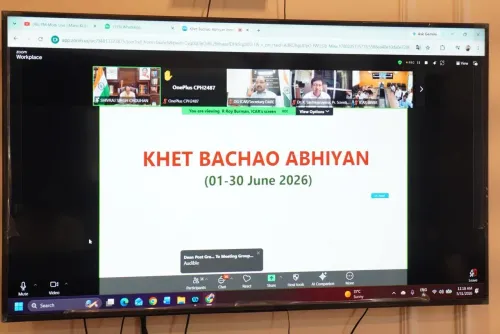
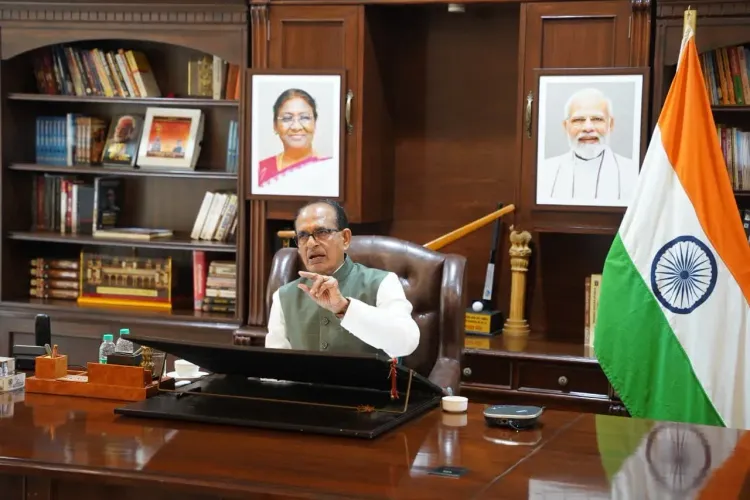
Union Agriculture Minister Shivraj Singh Chouhan on 17 October 2026 chaired a video conference with state ministers, ICAR bodies, KVKs, and agricultural universities to review preparations for the 'Khet Bachao Abhiyan', a nationwide soil-health and sustainable-farming awareness drive launching 22 October.
Key Takeaways
Khet Bachao Abhiyan launches nationwide on 22 October 2026 , focusing on soil health, balanced fertiliser use, and sustainable farming.
Union Agriculture Minister Shivraj Singh Chouhan chaired a video conference on 17 October to review campaign preparations.
The review meeting included state agriculture ministers, ICAR institutions, Krishi Vigyan Kendras , agricultural universities, and senior central and state officials.
The campaign extends the legacy of the Soil Health Card Scheme (2015) , shifting from diagnosis to active behavioural change among farmers.
Chouhan called on scientists, officers, elected representatives, and farmers to convert the campaign into a jan-andolan (people's movement).
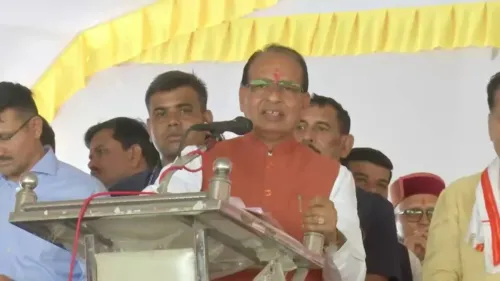
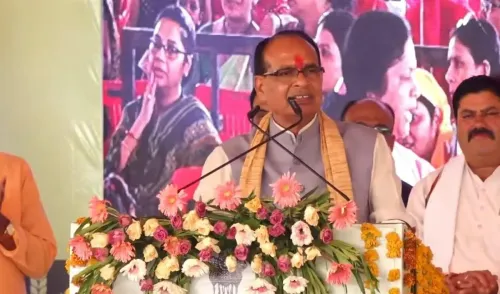
India's farm fields are losing their fertility — quietly, steadily, at a scale that threatens the country's food future. Union Agriculture Minister Shivraj Singh Chouhan moved to confront that crisis head-on on Saturday, 17 October 2026, chairing a nationwide video conference to review preparations for the 'Khet Bachao Abhiyan' (Save the Fields Campaign), set to launch across India from 22 October.
Chouhan convened state agriculture ministers, senior central and state government officials, scientists from ICAR institutions, faculty from agricultural universities, and coordinators from Krishi Vigyan Kendras (KVKs) spread across every district of the country. The scale of the consultation — cutting across research bodies, extension networks, and elected representatives simultaneously — signals the Ministry's intent to treat soil health not as a technical footnote but as a national mobilisation.
What the 'Khet Bachao Abhiyan' aims to fix
Posting in Hindi, Chouhan described the campaign as 'an important initiative to make farmers aware of soil health conservation, the balanced and judicious use of fertilisers, and sustainable agricultural practices.' The framing is deliberate: decades of heavy, unbalanced fertiliser use — particularly nitrogen-heavy urea — have degraded soil micronutrient profiles in large parts of India, cutting long-term yields even as input costs climb.
The campaign builds on the foundation laid by the Soil Health Card Scheme, launched in 2015, which issued nutrient-profile cards to farmers to guide precise fertiliser application. Where that scheme was diagnostic, 'Khet Bachao Abhiyan' is explicitly behavioural — pushing farmers to actually change how, and how much, they apply inputs on their fields.
ICAR, KVKs, and the last-mile machinery
The architecture of the campaign rests on ICAR, India's apex agricultural research body, and its network of Krishi Vigyan Kendras — district-level farm science centres that run on-field demonstrations and technology transfer directly with cultivators. Agricultural universities add scientific credibility and localised research. Routing the campaign through this existing extension infrastructure is designed to ensure messages reach farmers in their own language and on their own plots, not just in ministry circulars.
Chouhan's closing appeal went beyond officials: 'Sabhi vaigyanikon, adhikariyon, janpratinidhiyon aur kisan bhai-behno se aagraha hai ki is abhiyan ko jan-andolan banane mein yogdan den' — urging every scientist, officer, elected representative, and farming family to help turn the campaign into a people's movement. That language — jan-andolan, a mass movement — is a political signal as much as an operational one.
Why scale and speed matter here
Successive governments have run extension drives combining ICAR science with state machinery to address soil degradation, but adoption has remained patchy. What distinguishes this push is the compressed runway: a formal launch in five days, a pre-launch review that assembled virtually every rung of the agricultural chain in a single call, and a minister personally anchoring the effort. Whether farmer awareness translates into changed field practices — balanced NPK ratios, micro-nutrient supplementation, organic matter return — will be the real metric to watch as the campaign rolls out from 22 October onward.
Point of View
Which can amplify reach but also blurs accountability for measurable outcomes. With the campaign's metrics — farmer adoption rates, fertiliser balance data — still undefined publicly, the coming weeks will test whether this mobilisation produces durable behavioural change or remains a high-profile awareness cycle. The compressed five-day ramp from review to launch suggests the Ministry is prioritising visibility, making independent assessment of ground-level impact all the more important.
NationPress
17 Oct 2026
Frequently Asked Questions
What is the Khet Bachao Abhiyan?
The 'Khet Bachao Abhiyan' (Save the Fields Campaign) is a nationwide initiative announced by the Union Agriculture Ministry to make farmers aware of soil health conservation, balanced fertiliser use, and sustainable agricultural practices. It is scheduled to launch on 22 October 2026.
When does Khet Bachao Abhiyan start?
The campaign is set to begin on 22 October 2026 across India.
Who is organising the Khet Bachao Abhiyan?
The campaign is being led by the Union Ministry of Agriculture and Farmers Welfare under Minister Shivraj Singh Chouhan , in coordination with state agriculture departments, ICAR institutions, Krishi Vigyan Kendras, and agricultural universities.
What is the role of ICAR and Krishi Vigyan Kendras in this campaign?
ICAR (Indian Council of Agricultural Research) is India's apex body for agricultural research and education. Its district-level farm science centres, the Krishi Vigyan Kendras (KVKs) , conduct on-field demonstrations and direct technology transfer to farmers — making them the primary last-mile delivery channel for the campaign.
How does Khet Bachao Abhiyan relate to the Soil Health Card Scheme?
The Soil Health Card Scheme , launched in 2015 , tested farmers' soil and issued nutrient-profile cards to guide fertiliser application. The new 'Khet Bachao Abhiyan' builds on that diagnostic foundation, now focusing on changing actual farming behaviour — promoting balanced and judicious fertiliser use in practice.