Shivraj lays foundation for 36 PMGSY-IV roads in Sehore
Synopsis
Union Agriculture and Rural Development Minister Shivraj Singh Chouhan inaugurated 36 rural roads totalling 106.37 km at a cost of over ₹82.76 crore in Sehore district, Madhya Pradesh, under PMGSY-IV on 27 September 2026, promising last-mile connectivity to every village and hamlet.
Key Takeaways
36 roads spanning 106.37 kilometres had their foundation stones laid in Sehore district on 27 September 2026 .
Total sanctioned cost exceeds ₹82.76 crore under Pradhan Mantri Gram Sadak Yojana-IV .
The ceremony was held at Bordi, Ichhawar in Sehore district, Madhya Pradesh .
PMGSY , launched in 2000 , aims to provide all-weather road connectivity to eligible rural habitations; PMGSY-III focused on upgradation from 2019 onwards.
Chouhan pledged to leave no stone unturned to improve connectivity for 'every village, every hamlet, and every settlement.' Madhya Pradesh is among the top recipient states for PMGSY allocations historically.
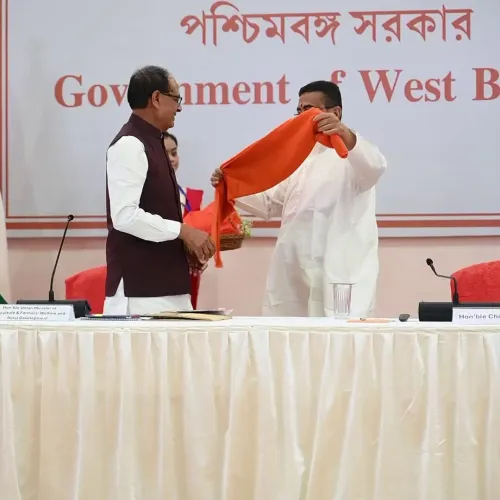
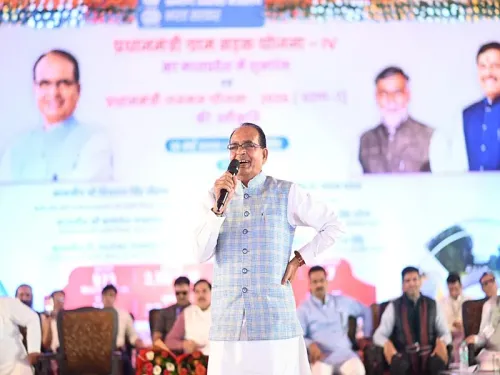
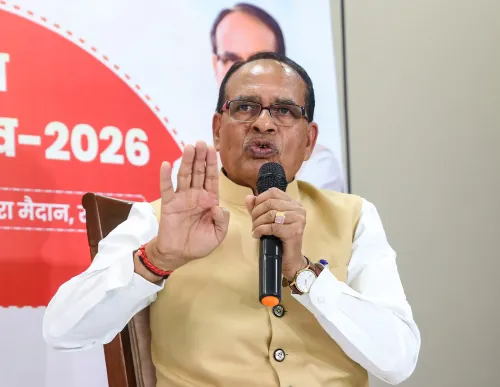
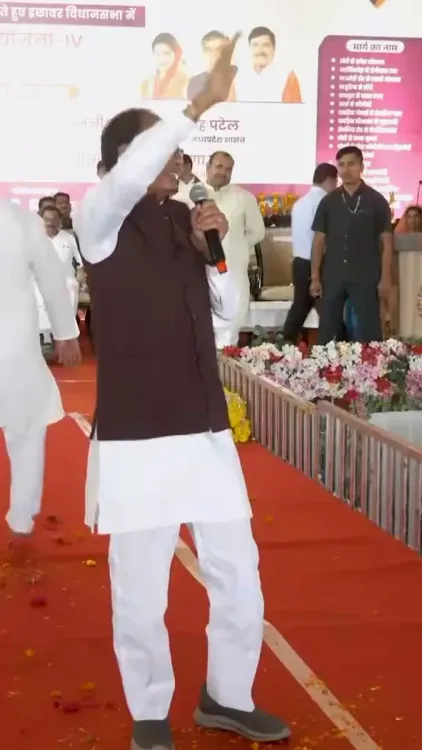
Thirty-six new roads, 106.37 kilometres of fresh connectivity, and a price tag of over ₹82.76 crore — Union Agriculture and Rural Development Minister Shivraj Singh Chouhan laid the foundation stones for all of them in a single ceremony at Bordi, Ichhawar, Sehore district on Sunday, 27 September 2026, under the Pradhan Mantri Gram Sadak Yojana-IV.
Posting on X, Chouhan framed the occasion as a direct promise to the last mile of rural India: 'हर गांव, हर मजरे और हर टोले की सड़क कनेक्टिविटी बेहतर हो, इसके लिए कोई कसर नहीं छोड़ेंगे' — 'We will leave no stone unturned to improve road connectivity for every village, every hamlet, and every settlement.'
What PMGSY-IV means for Sehore's villages
PMGSY, launched in 2000, set out to give every eligible rural habitation an all-weather road — the kind that does not wash away in July or turn to dust by April. The programme has moved through successive phases: PMGSY-III, approved in 2019, focused on upgrading and consolidating roads already built under earlier phases. The current PMGSY-IV round continues that expansion, targeting habitations still waiting for reliable surface links.
Sehore, a district in the Malwa-Nimar belt of Madhya Pradesh, sits close to the state capital Bhopal but contains large swathes of rural and tribal settlements where connectivity has historically lagged. The 36 roads sanctioned on Sunday — averaging nearly three kilometres apiece — are designed to thread these dispersed habitations into the main road grid. For farmers, that means quicker access to mandis; for children, all-weather routes to school; for patients, reliable ambulance corridors.
Chouhan's double role — and what it signals
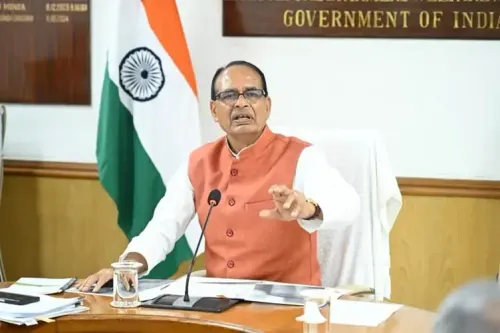
Chouhan's presence at an Ichhawar ceremony carries layered weight. As a four-term Chief Minister of Madhya Pradesh, he built much of his political identity on rural infrastructure and farmer welfare — and the same constituency now falls under his Union ministerial brief. The Rural Development Ministry oversees PMGSY's central funding and monitoring, giving Chouhan direct administrative levers that his predecessors in the state capital once wielded independently.
Madhya Pradesh has historically ranked among the top recipients of PMGSY allocations, and the new phase adds to a cumulative network that has already transformed large parts of the state's hinterland over two and a half decades. Sunday's ₹82.76 crore outlay for a single district block gives a sense of the scale at which the programme is now operating.
The road from here
Foundation-stone ceremonies are the beginning, not the end. The real metric — construction milestones, quality audits, and utilisation certificates — will determine whether the 106.37-km network is road-ready before the next monsoon tests it. Chouhan's ministry has flagged implementation tracking as a priority, and the next Union Budget session and parliamentary reviews will be the moments to watch for supplementary allocations or mid-course corrections.
Twenty-six years after PMGSY was first announced, rural India is still counting the gaps. One district, 36 roads, one Sunday afternoon — the infrastructure deficit narrows, village by village.
Point of View
He maintains a direct connect with the constituency that made him a four-term Chief Minister. PMGSY-IV represents the latest evolution of a 26-year programme that successive governments have expanded but never fully completed — signalling that rural road connectivity remains an unfinished and electorally potent agenda. The scale of Sunday's outlay also reflects a shift in rural development funding: central ministries are increasingly front-loading visible ground-level projects ahead of state-level political cycles. Whether implementation matches the foundation-stone fanfare will be the real test of this phase's ambition.
NationPress
27 Sept 2026
Frequently Asked Questions
How many roads were inaugurated by Shivraj Singh Chouhan in Sehore?
Union Minister Shivraj Singh Chouhan laid the foundation stones for 36 roads totalling 106.37 kilometres in Sehore district, Madhya Pradesh, on 27 September 2026, at a cost of over ₹82.76 crore under PMGSY-IV.
Where exactly did the PMGSY road inauguration take place?
The foundation-stone ceremony was held at Bordi, in the Ichhawar block of Sehore district, Madhya Pradesh.
What is Shivraj Singh Chouhan's role in PMGSY?
As Union Minister of Agriculture and Rural Development, Chouhan oversees the Rural Development Ministry, which administers and funds the Pradhan Mantri Gram Sadak Yojana at the central level.
How does PMGSY benefit rural villages?
PMGSY roads give farmers quicker access to agricultural markets, ensure children have all-weather routes to schools, and provide reliable emergency corridors for ambulances — connecting remote hamlets and settlements to the main road network.