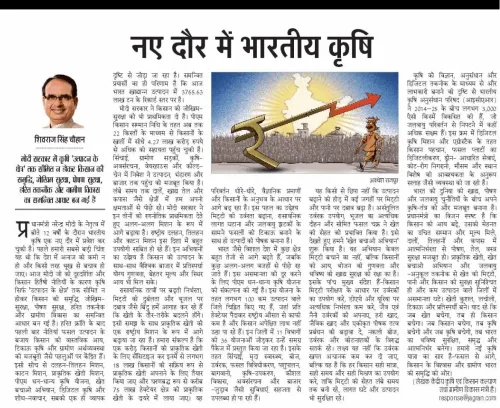
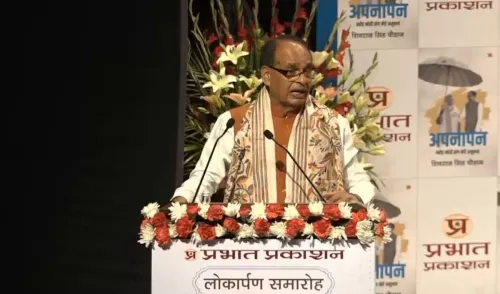
Shivraj recalls Modi's early tech vision in MP party role
Synopsis
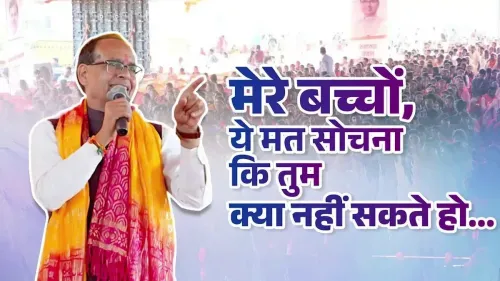
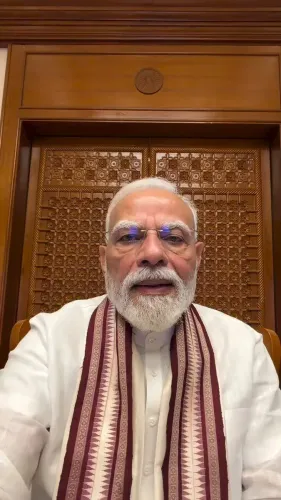
Union Agriculture Minister Shivraj Singh Chouhan shared a personal memory of Narendra Modi asking BJP workers in Madhya Pradesh who had an email ID during an election meeting — a moment Chouhan says revealed Modi's early conviction that technology would define India's future.
Key Takeaways
Union Agriculture Minister Shivraj Singh Chouhan posted the anecdote on 26 May 2026 under the hashtag #ApnapanBook .
The incident occurred when Narendra Modi was BJP organisational in-charge for Madhya Pradesh and Chouhan was the state party's Mahamantri .
Modi reportedly asked the meeting room which attendees had an email ID , drawing confused looks from most party workers present.
Chouhan writes that Modi had already understood technology would become India's defining strength — well before it became mainstream in political circles.
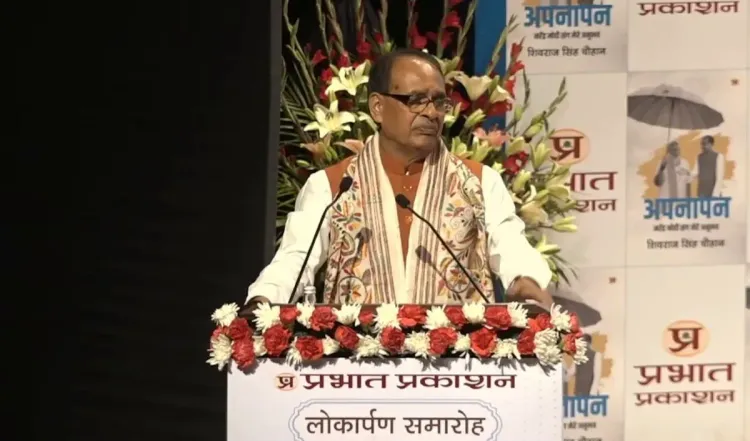
The post is part of the #ApnapanBook initiative, a curated series of personal tributes to Prime Minister Modi by senior BJP figures.
Modi's subsequent record includes e-governance reforms as Gujarat Chief Minister and the national Digital India programme launched in 2015 .
Union Agriculture Minister Shivraj Singh Chouhan on Tuesday, 26 May 2026, shared a personal anecdote on X recalling how Narendra Modi, then BJP in-charge for Madhya Pradesh, demonstrated a forward-looking grasp of technology during an election-preparation meeting — a time when email was far from routine among party workers.
Context
Chouhan recounted that when Modi arrived as the party's organisational in-charge for Madhya Pradesh, Chouhan himself was serving as the state BJP Mahamantri (General Secretary). During a meeting focused on election preparations, Modi abruptly asked the room: 'Bataiye, email ID kis-kis ke paas hai?' ('Tell me, who among you has an email ID?'). The question drew blank looks from many in the room, with workers glancing at one another in uncertainty.
Chouhan noted that for activists of his generation at that time, email and technology were far from everyday concerns. Yet Modi, he wrote, was already looking ahead — having understood that technology would become the defining strength of India's future.
Policy Backdrop
The episode predates Modi's tenure as Gujarat Chief Minister, which began in 2001 and became associated with a series of e-governance initiatives aimed at transparent and efficient service delivery. The trajectory from that early organisational curiosity to large-scale digital governance found its national expression in the Digital India programme, launched in 2015, which sought to expand technology across government functioning, public services, and citizen engagement.
The post is tagged #ApnapanBook, suggesting it is part of a broader collection of personal tributes or reminiscences being compiled or promoted around Prime Minister Modi, though the full scope and authorship of the project have not been independently confirmed.
Stakeholders and Impact
The anecdote is directed primarily at BJP workers and the party's wider support base, reinforcing a narrative of Modi as a leader with rare organisational foresight. Senior party figures sharing such personal memories serve to deepen the image of continuity between Modi's early organisational work and his later national governance record.
For the broader public, the post illustrates how technology adoption — now taken for granted in Indian political campaigns, from social-media outreach to data-driven voter management — was once a novel idea even within a major national party's state unit.
What's Next
The #ApnapanBook hashtag is likely to draw further contributions from BJP leaders and veterans sharing similar recollections, building a curated archive of personal accounts centred on Prime Minister Modi. Chouhan's continued participation in such exercises also signals his active role in the party's communication strategy, alongside his ministerial responsibilities in Agriculture and Rural Development. Whether the book results in a formal publication or a digital campaign remains to be seen, but the momentum of senior leaders' participation suggests a structured rollout is under way.
Point of View
It makes the narrative relatable while reinforcing the idea of singular foresight. The #ApnapanBook framing suggests a coordinated, multi-voice exercise rather than a spontaneous personal reflection. Coming from a figure of Chouhan's stature — a four-term Chief Minister now in the Union Cabinet — the endorsement carries significant weight within the party's internal communication ecosystem.
NationPress
10 Oct 2026
Frequently Asked Questions
What is the #ApnapanBook that Shivraj Singh Chouhan mentioned?
#ApnapanBook appears to be a BJP initiative collecting personal tributes and memories about Prime Minister Narendra Modi from senior party leaders and colleagues, though its full scope has not been officially confirmed.
When was Narendra Modi the BJP in-charge for Madhya Pradesh?
Narendra Modi served as the BJP's organisational in-charge for Madhya Pradesh in the late 1990s, before he became Gujarat Chief Minister in 2001.
What was Shivraj Singh Chouhan's role in BJP when the email incident happened?
At the time of the meeting Chouhan describes, he was serving as the BJP's state Mahamantri, or General Secretary, in Madhya Pradesh.
How does this anecdote connect to Digital India?
The story is seen as an early signal of Modi's conviction that technology would be central to governance — a conviction that later found expression in e-governance projects during his Gujarat tenure and, nationally, in the Digital India programme launched in 2015.
Why is Shivraj Singh Chouhan sharing personal stories about PM Modi?
As a senior BJP leader and Union Minister, Chouhan regularly participates in the party's public communication efforts; the #ApnapanBook posts appear to be part of a structured campaign by senior figures to document and amplify Modi's leadership journey.