Shivraj Singh Chouhan calls for urgent soil conservation steps
Synopsis
Union Agriculture Minister Shivraj Singh Chouhan posted a video on October 22, 2026, calling for multiple urgent measures to save India's soil, spotlighting the deepening crisis of farmland degradation that threatens long-term food security for millions of farmers.
Key Takeaways
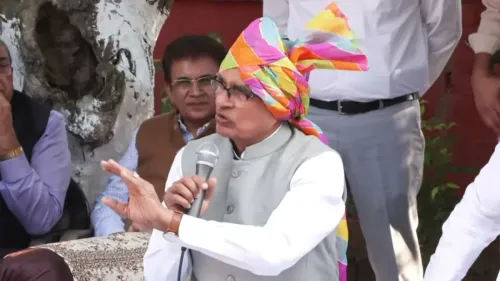
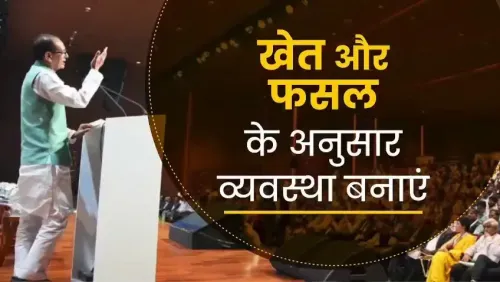
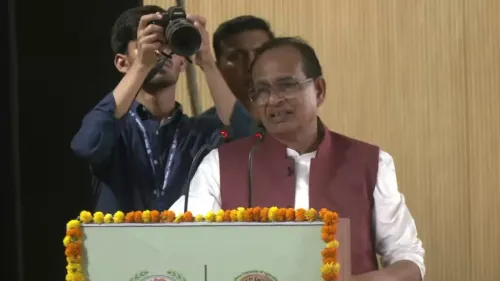
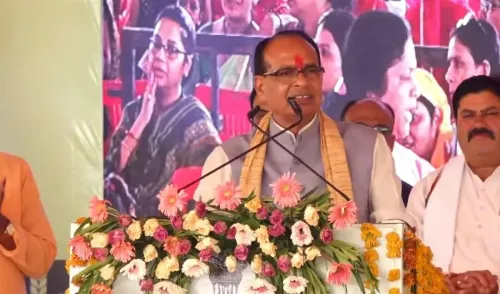
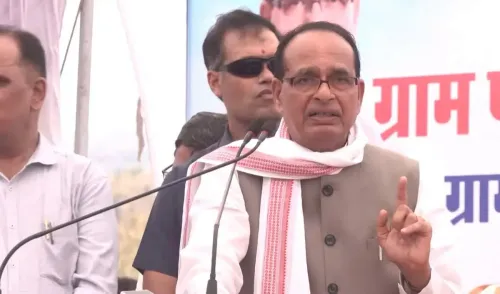
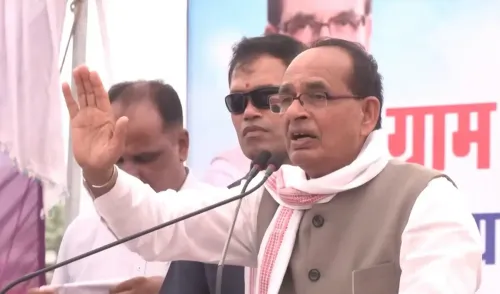
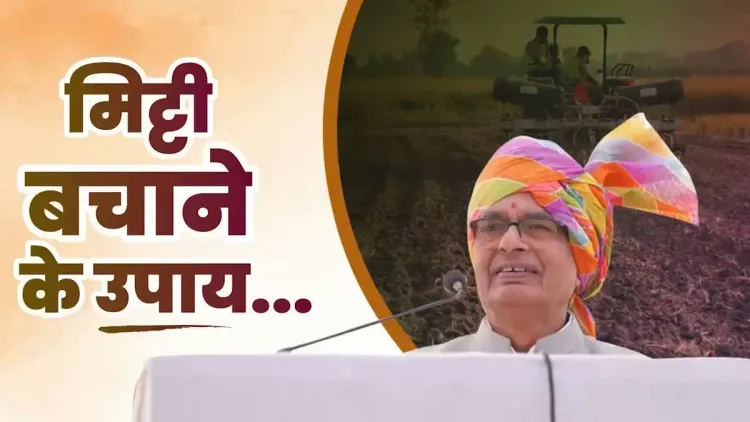
Shivraj Singh Chouhan , Union Minister of Agriculture & Farmers Welfare and Rural Development, posted a video on October 22, 2026 stressing the need for multiple measures to save India's soil.
The Minister stated in Hindi: 'We will have to adopt many kinds of measures to save the soil,' signalling a policy intent to tackle soil degradation holistically.
India's Soil Health Card Scheme , launched in 2015 , already provides farmers with soil nutrient status and fertiliser recommendations as a foundational step.
Decades of intensive chemical fertiliser use and monocropping have degraded large portions of India's cultivable land, threatening food security.
Analysts will watch for new ministerial guidelines or scheme-level interventions that integrate soil conservation into existing farmer welfare programmes.
India's farmland is quietly bleeding — and Union Agriculture Minister Shivraj Singh Chouhan wants the country to pay attention. On Thursday, October 22, 2026, Chouhan posted a video message on X stressing that multiple measures must be taken to save the soil, capturing a concern that sits at the very foundation of Indian food security.
Posting in Hindi, the Minister stated: 'Mitti bachane ke liye kai tarah ke upaay hamein karne honge' — 'We will have to adopt many kinds of measures to save the soil.' The brevity of the message carried its own weight: when a minister who governs both agriculture and rural development frames soil degradation as a multi-pronged national challenge, farmers and policymakers alike take note.Why India's soil crisis demands a minister's video post
Soil degradation in India is not a future threat — it is a present reality. Decades of intensive chemical fertiliser use, monocropping, and overextraction have steadily stripped topsoil of its organic content and microbial life. Studies have consistently shown that large portions of the country's cultivable land have declining fertility, threatening yields precisely when a growing population demands more of them.
The government's own Soil Health Card Scheme, launched in 2015, was an early acknowledgment of the problem: it gave farmers district-specific soil nutrient data and tailored fertiliser recommendations, putting science directly in the hands of those working the land. But a card is a diagnosis. Chouhan's message points toward the next step — the cure.
What 'many kinds of measures' could mean for farm policy
While the Minister did not spell out specific interventions in the post, the policy architecture his ministry oversees offers clues. Soil conservation approaches that align with existing national goals include promotion of natural and zero-budget farming, incentivising crop rotation and cover-cropping, scaling organic input subsidies, and tightening integration of soil-health data into the PM-KISAN and related farmer-support programmes.
The coming months will reveal whether this video marks the start of a new ministerial push — fresh guidelines, a scheme revision, or a dedicated soil-conservation drive — or serves as a wider public awareness moment ahead of the winter crop season, when millions of farmers make fertiliser decisions that will shape soil health for years.
Either way, the signal from South Block is clear: India cannot afford to treat its agricultural soil as an infinite resource. The ground beneath the food on every Indian plate is running out of time.
Point of View
Healthy soil is not merely an agronomic variable but a poverty metric: degraded land directly suppresses smallholder incomes. The post also arrives as the winter crop season approaches, a moment when fertiliser decisions are being locked in by millions of farmers, giving a ministerial signal on soil health immediate practical relevance. Whether this translates into a formal scheme expansion or stays at the level of public messaging will define its real policy weight.
NationPress
22 Oct 2026
Frequently Asked Questions
What did Shivraj Singh Chouhan say about soil conservation?
Shivraj Singh Chouhan posted a video on October 22, 2026, saying 'We will have to adopt many kinds of measures to save the soil,' calling for a multi-pronged approach to address India's soil degradation crisis.
What is the Soil Health Card Scheme in India?
The Soil Health Card Scheme was launched in 2015 by the Indian government to provide farmers with their soil's nutrient status and crop-specific fertiliser recommendations, helping them make informed decisions and reduce unnecessary chemical use.
Why is soil degradation a problem in India?
Decades of intensive chemical fertiliser use, monocropping, and overextraction have depleted organic content and microbial life in large portions of India's farmland, steadily reducing fertility and threatening long-term food security.
What measures can save agricultural soil in India?
Experts and policy frameworks point to crop rotation, cover-cropping, promotion of natural and zero-budget farming, organic input subsidies, and better integration of soil-health data into existing farmer welfare schemes as key soil conservation approaches.
What is Shivraj Singh Chouhan's role in Indian agriculture?
Shivraj Singh Chouhan serves as India's Union Minister of Agriculture & Farmers Welfare and Rural Development, overseeing national farm policy, rural welfare schemes, and initiatives like the Soil Health Card programme.