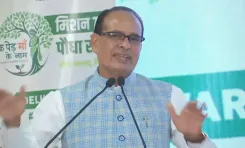
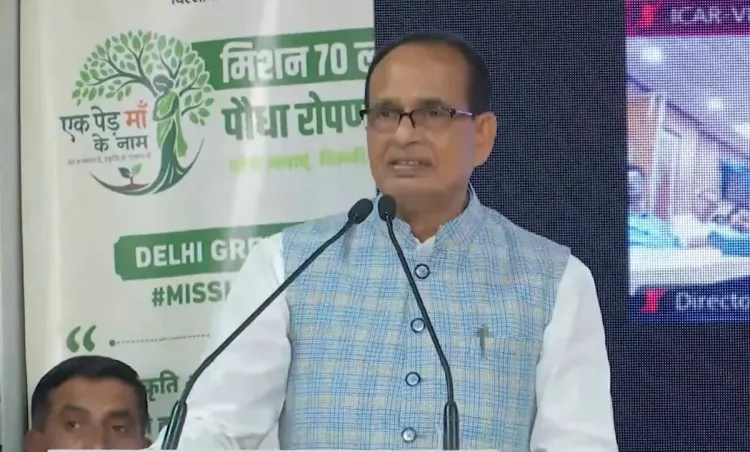
Shivraj Singh Chouhan: Earth belongs to all living beings
Synopsis
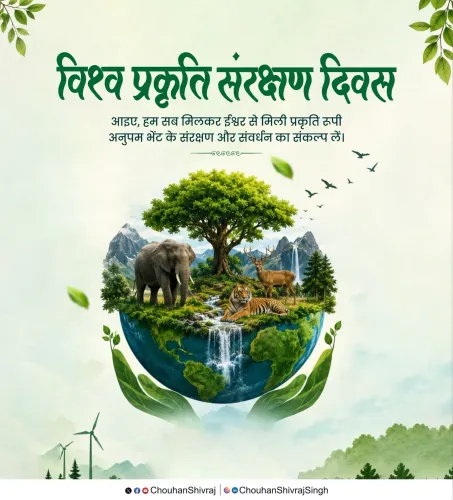
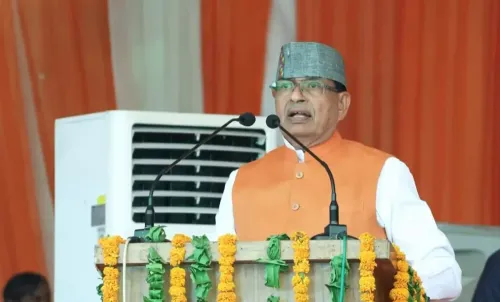
Union Agriculture Minister Shivraj Singh Chouhan posted on X that the Earth belongs not only to humans but to animals, birds, and future generations — a philosophical statement on ecological stewardship from the minister overseeing agriculture and rural development.
Key Takeaways
Union Agriculture Minister Shivraj Singh Chouhan posted a Hindi message on 12 August 2026 stating the Earth belongs to animals, birds, living creatures, and future generations — not humans alone.
The post carries no reference to a specific scheme, budget allocation, or legislative proposal.
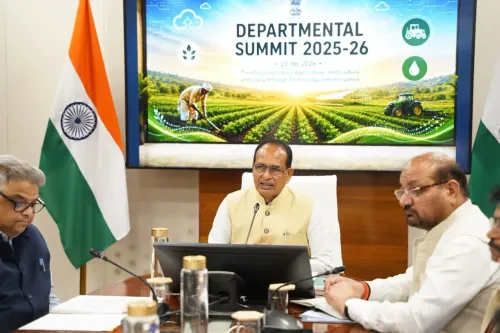
Chouhan oversees both agriculture and rural development, sectors that most directly govern land use and ecological outcomes in India.
India's Constitution, under Article 48-A and Article 51-A(g) , mandates environmental protection as a state and citizen duty — the framing Chouhan invokes.
The statement arrives amid ongoing pressures on Indian agricultural land: groundwater depletion, shrinking forest cover, and the challenge of integrating wildlife corridors with farming zones.
A single line — quiet, philosophical, and pointed — from Union Agriculture Minister Shivraj Singh Chouhan on Wednesday, 12 August 2026 cut through the noise of routine political messaging: the Earth, he wrote, is not ours alone.
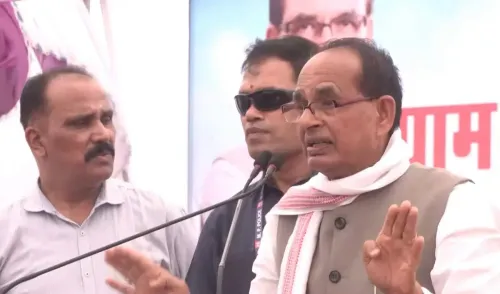
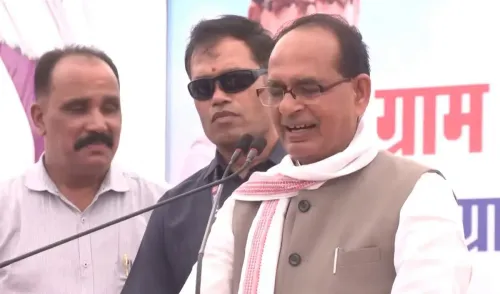
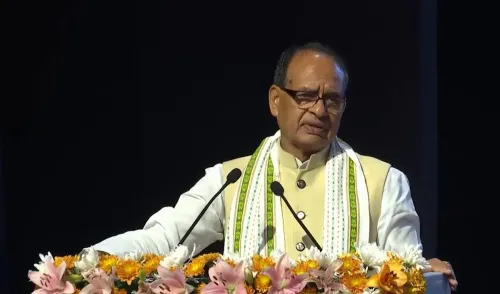
Posting in Hindi on X, the senior BJP leader and former four-term Chief Minister of Madhya Pradesh wrote: 'Dharti kewal hamari nahin hai; yeh pashu-pakshiyon, jeev-jantuon aur aane wali peedhiyon ke liye bhi hai.' ('The Earth does not belong to us alone; it belongs to animals, birds, living creatures, and generations yet to come.')
The message is brief. Its implications are not. Coming from the minister who oversees both agriculture and rural development — two sectors whose practices most directly determine how land is used, who benefits from it, and what condition it is passed on in — the framing of the Earth as a shared inheritance carries weight beyond a social-media sentiment.
Stewardship, not ownershipThe distinction Chouhan draws — between using the land and owning it — sits at the heart of debates around sustainable agriculture, biodiversity loss, and climate adaptation that now shape Indian farm policy. Constitutional provisions under Article 48-A and Article 51-A(g) place environmental protection among the duties of both the state and the citizen. Chouhan's post echoes that framework without attaching it to any specific scheme or budget line.
Indian ministers have periodically invoked ecological balance in messaging tied to agricultural initiatives — from soil-health programmes to natural-farming drives. Whether this post signals a forthcoming policy push or stands as a standalone moral statement, the ministry has not yet said.
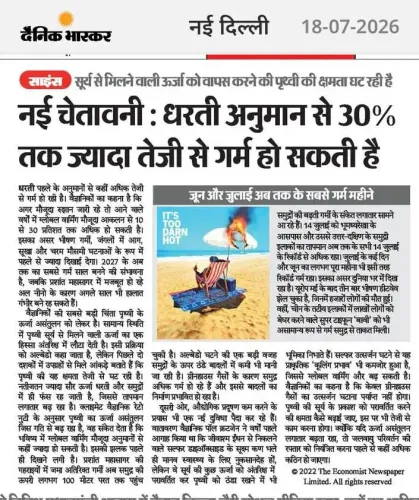
Why the framing matters nowThe post lands as India navigates competing pressures on its agricultural land: rising food demand, groundwater depletion, shrinking forest cover, and the need to integrate wildlife corridors with farming belts. Framing land as a multi-generational, multi-species commons — rather than a resource to be maximised — is a quiet but deliberate counter-narrative to purely productivity-driven agricultural thinking.
No specific scheme, allocation, or legislative proposal accompanies the post. But in politics, the vocabulary a minister reaches for in public often precedes the policy that follows. Watch this space.
Point of View
At minimum, a rhetorical alignment between agricultural governance and ecological stewardship, consistent with the BJP government's broader push toward natural farming and soil conservation. Whether it foreshadows a concrete policy — a wildlife-sensitive land-use guideline, a biodiversity-linked farm scheme — or remains a standalone moral statement will depend on what the ministry announces next. Either way, the framing of land as a shared inheritance, not a commodity, is a vocabulary shift worth tracking.
NationPress
12 Aug 2026
Frequently Asked Questions
What did Shivraj Singh Chouhan post about the environment?
He posted in Hindi that the Earth does not belong to humans alone but also to animals, birds, other living creatures, and future generations — a statement on ecological stewardship and intergenerational responsibility.
Is Shivraj Singh Chouhan the Agriculture Minister of India?
Yes. Shivraj Singh Chouhan serves as Union Minister of Agriculture and Farmers Welfare and Rural Development. He is also a senior BJP leader and former four-term Chief Minister of Madhya Pradesh.
Did Shivraj Chouhan announce any new environment policy?
No specific scheme, budget allocation, or legislative proposal was attached to this post. It is a philosophical statement; no verifiable policy announcement accompanies it.
What does the Indian Constitution say about environmental protection?
Article 48-A directs the state to protect and improve the environment, while Article 51-A(g) makes it a fundamental duty of every citizen to protect the natural environment including forests, lakes, rivers, and wildlife.
Why is an agriculture minister's environmental statement significant?
The agriculture and rural development ministries govern how India's vast farmland is used, maintained, and passed on. A minister framing land as a multi-generational, multi-species commons — rather than a purely productive asset — can signal a shift in how policy priorities are weighted.