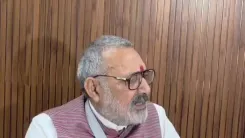
Shivraj Singh Chouhan Pays Tribute to Ganesh Shankar Vidyarthi
Synopsis
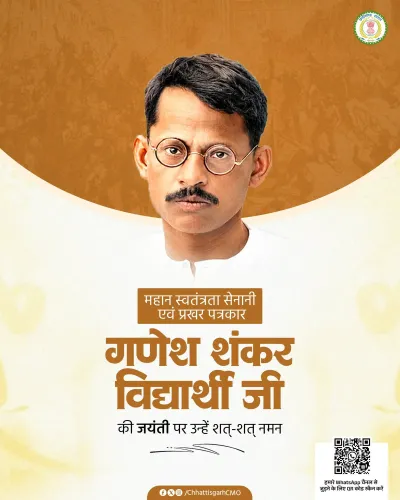
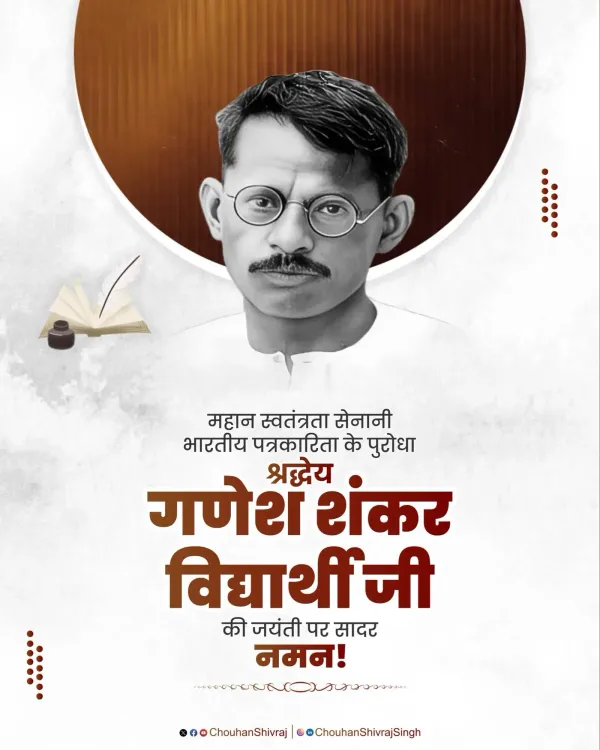
Union Agriculture Minister Shivraj Singh Chouhan honoured Ganesh Shankar Vidyarthi on his birth anniversary, hailing the journalist-martyr's pen as a force that shook British colonial power and urging India's youth to draw inspiration from his life of national service.
Key Takeaways
Shivraj Singh Chouhan posted a tribute on 26 October 2026 marking the birth anniversary of Ganesh Shankar Vidyarthi .
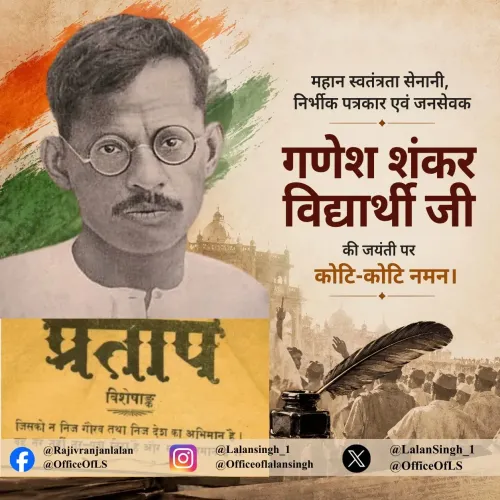
Vidyarthi was the editor of the Hindi newspaper Pratap and used journalism to challenge British colonial rule.
He was killed during communal violence in Kanpur in 1931 while trying to protect riot victims.
Chouhan described him as a pioneering figure of Indian journalism and a great freedom fighter.
The tribute called on Indian youth to be inspired by Vidyarthi's ideals of national reconstruction and social service.
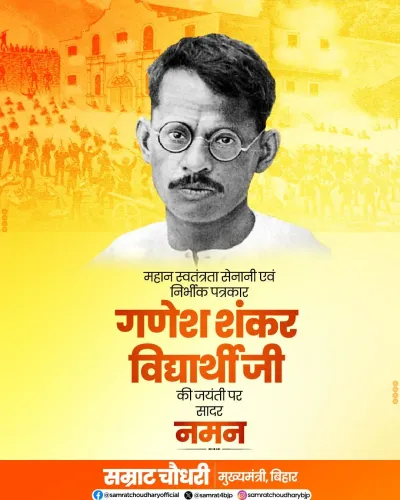
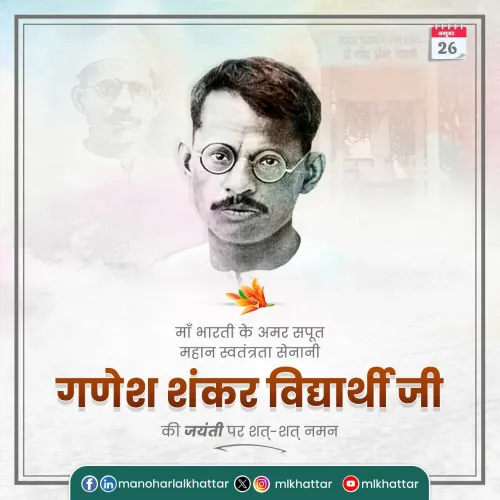
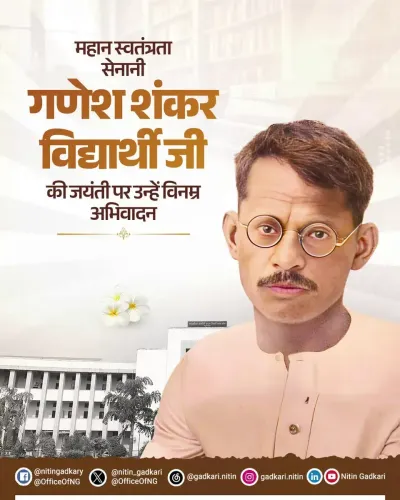
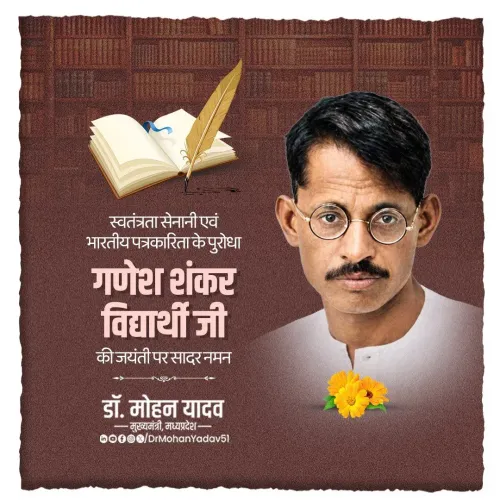
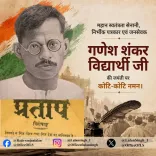
A pen powerful enough to shake the foundations of the British Raj — that is how Union Agriculture Minister Shivraj Singh Chouhan described Ganesh Shankar Vidyarthi on the freedom fighter's birth anniversary, Monday, 26 October 2026, in a heartfelt tribute posted on X.
Chouhan saluted Vidyarthi as a great freedom fighter and pioneer of Indian journalism, writing, 'अपनी प्रखर लेखनी से ब्रिटिश सरकार की नींव हिला देने वाले महान स्वतंत्रता सेनानी' ('the great freedom fighter who shook the foundations of the British government with his sharp pen'). He expressed hope that Vidyarthi's spirited ideas and exemplary life would continue to inspire the youth toward national renewal and social service.
The journalist who challenged an empire
Ganesh Shankar Vidyarthi was an editor and freedom fighter who wielded the Hindi newspaper Pratap as a weapon against British colonial rule in early twentieth-century India. His writing gave voice to the oppressed, held colonial administrators to account, and helped crystallise a nationalist consciousness at a time when such defiance carried severe personal risk.
His life ended tragically in 1931, when he was killed trying to protect victims during communal violence in Kanpur — a martyr not just to the freedom movement, but to the cause of communal harmony itself. That combination of journalistic courage and moral sacrifice has kept his memory alive across generations and political lines.
Why anniversary tributes like this one matter
Indian ministers routinely mark the birth and death anniversaries of independence-era figures with public statements — but Vidyarthi occupies a distinctive place in that calendar. He is claimed both as a symbol of press freedom and as a model of selfless civic courage, making tributes to him resonant beyond partisan framing.
For Chouhan, a senior BJP leader and former four-term Chief Minister of Madhya Pradesh, the commemoration also carries regional weight: Vidyarthi did much of his most consequential work in Uttar Pradesh, a Hindi-heartland state that shares deep cultural ties with Madhya Pradesh. The call to youth — to carry forward Vidyarthi's ideals of national reconstruction and social service — echoes a recurring theme in Chouhan's own public messaging on civic duty.
In an era when press freedom debates are sharper than ever, invoking a journalist-martyr who paid the ultimate price for his convictions is a reminder that Indian democracy's foundations were laid, in part, in newsrooms as much as on battlefields.
Point of View
Given his identity as a journalist-activist who died for communal peace. Invoking him signals alignment with both press-freedom symbolism and anti-communal values, broadening the appeal of the tribute beyond a purely partisan base. The emphasis on youth inspiration also aligns with the BJP government's recurring 'new India' narrative, linking historical sacrifice to present-day civic mobilisation. Whether such commemorations translate into substantive policy action on press freedom or communal harmony is a question the tribute itself leaves open.
NationPress
26 Oct 2026
Frequently Asked Questions
Who was Ganesh Shankar Vidyarthi?
Ganesh Shankar Vidyarthi was an Indian freedom fighter and journalist who edited the Hindi newspaper Pratap and used his writing to challenge British colonial rule. He was killed in communal violence in Kanpur in 1931 while trying to protect riot victims.
When is Ganesh Shankar Vidyarthi's birth anniversary?
Ganesh Shankar Vidyarthi's birth anniversary falls on 26 October and is commemorated each year by political leaders, journalists, and civil society across India.
What was the newspaper Pratap associated with Ganesh Shankar Vidyarthi?
Pratap was a Hindi-language newspaper edited by Ganesh Shankar Vidyarthi that became a powerful platform for nationalist thought and criticism of British colonial policies in early twentieth-century India.
Why did Shivraj Singh Chouhan pay tribute to Ganesh Shankar Vidyarthi?
Union Agriculture Minister Shivraj Singh Chouhan posted a tribute on X on 26 October 2026 to mark Vidyarthi's birth anniversary, honouring him as a pioneer of Indian journalism and calling on youth to follow his ideals of national service.
How did Ganesh Shankar Vidyarthi die?
Ganesh Shankar Vidyarthi was killed in 1931 during communal riots in Kanpur, where he had gone to protect victims of the violence — making him a martyr to both the freedom movement and the cause of communal harmony.